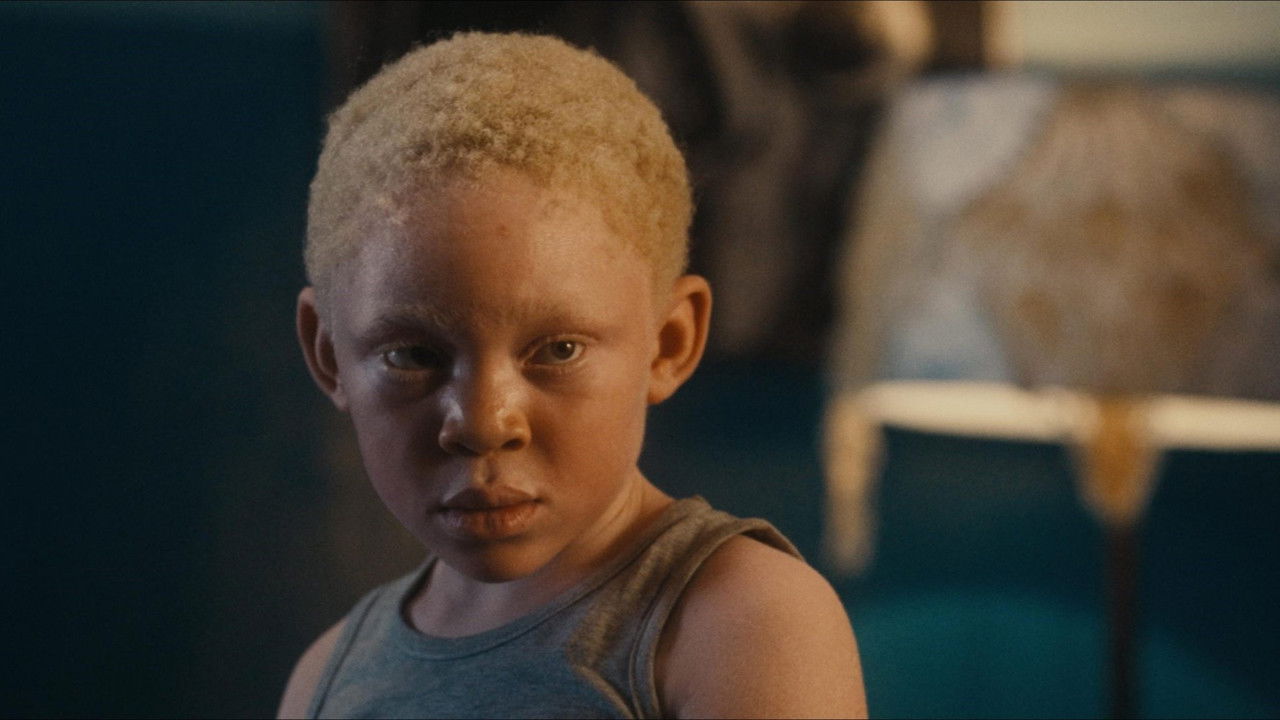

Kangwa Chileshe
Kennedy
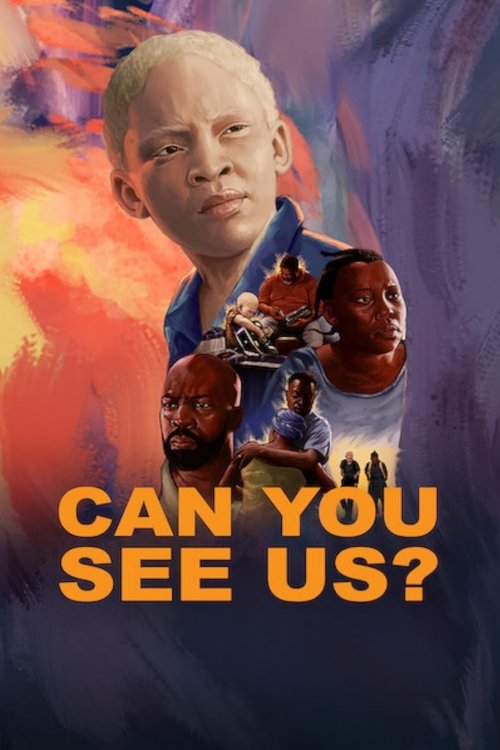
Rejected by his father at birth, a boy with albinism navigates a childhood of bullying, tragedy and cautious hope.
I keep thinking about the way light falls on skin. Not the golden hour glow of a Hollywood close-up, but the harsh, unfiltered glare of a Zambian afternoon—how it reveals what we’d rather hide, how it burns what it touches. Can You See Us?, Kenny Mumba’s 2023 drama, understands this cruel paradox. It’s a film about visibility, about the way the world sees—or refuses to see—a boy with albinism named Joseph (Kangwa Chileshe).
The title isn’t just a question; it’s a plea, a challenge, a quiet scream into the void.
The story, inspired by true events, begins with rejection. Joseph’s father, unable to reconcile the child’s appearance with his own expectations, abandons the family before the boy can even walk. What follows is a coming-of-age narrative that’s as much about survival as it is about growing up.
Mumba doesn’t soften the edges of Joseph’s childhood: the bullying isn’t just cruel words but physical violence, the kind that leaves bruises and scars. The camera lingers on these moments, not for shock value, but to force us to sit with the discomfort. This isn’t a film that lets you look away.
What’s striking about Can You See Us? is how it resists the easy tropes of the "inspirational disability story." Joseph isn’t a saint or a martyr; he’s a kid who wants to be loved, who lashes out, who makes mistakes. The film’s emotional core lies in its refusal to simplify him.
Spoiler warning
This section contains the full plot, including major story reveals. Overview above stays spoiler-free.
Can You See Us? (2023) isn’t just another drama—it’s a landmark for Zambian cinema. Directed by Kenny Mumba, the film became the country’s first-ever Netflix original feature, a milestone that has sparked both pride and scrutiny. Behind its emotional narrative lies a story of ambition, cultural representation, and the pressures of breaking into the global streaming giant.
The film follows Joseph, a boy with albinism, as he navigates familial rejection, bullying, and societal violence in Zambia  . Albinism remains a deeply stigmatized condition in parts of Africa, and Can You See Us? tackles the issue head-on. While the plot is fictional, its themes are ripped from real-life struggles, making the project personal for many involved. Director Kenny Mumba has described the film as a "passion project," though specifics on his connection to the subject remain scarce in available sources .
The script was penned by Andrew and Lawrence Thompson, whose collaboration with Mumba brought the story to life . The cast—led by Kangwa Chileshe, Ruth Jule, and Thabo Kaamba—delivers raw performances, but details on rehearsals or on-set dynamics haven’t surfaced in the retrieved evidence.
The film’s Netflix deal is a historic first for Zambia, but the journey to streaming wasn’t without challenges. In an interview, Mumba hinted at the hurdles of meeting Netflix’s production standards, though he stopped short of sharing specifics . The platform’s global reach meant the film had to balance authenticity with accessibility, a tightrope walk for any local story aiming for international appeal.
Rumors swirled about budget constraints and tight filming schedules, but no concrete figures or behind-the-scenes conflicts have been confirmed in the available sources. What is clear is the excitement surrounding the film’s release. YouTube reviews and reactions—like those from channels analyzing its "hit or miss" reception—suggest Zambian audiences were eager to see their stories on a global stage .
The film’s success has put its cast in the spotlight. Kangwa Chileshe, who plays Joseph, has been vocal about the role’s emotional toll, though exact quotes aren’t available in the retrieved snippets. Thabo Kaamba, George Sikazwe, and the rest of the ensemble have also weighed in on the film’s impact, with some calling it a "career-defining" project .
Mumba, meanwhile, has embraced the film’s cultural significance. In a trailer breakdown, he emphasized the importance of telling African stories without Western filters . Whether Can You See Us? will pave the way for more Zambian Netflix originals remains to be seen, but for now, it’s a trailblazer.
Early reactions to Can You See Us? have been mixed. Some viewers praised its emotional depth and social message, while others criticized pacing or production quality . Rotten Tomatoes doesn’t yet list an audience score for the film , leaving its reception somewhat opaque.
What’s undeniable is the film’s place in history. As Zambia’s first Netflix feature, it’s a proof of concept—one that could open doors for future projects. Whether it’s a one-off or the start of a wave, Can You See Us? has already made its mark.
Entertainment rumors and trivia aggregated from public reporting. Treat speculation as unverified unless a cited source confirms it.