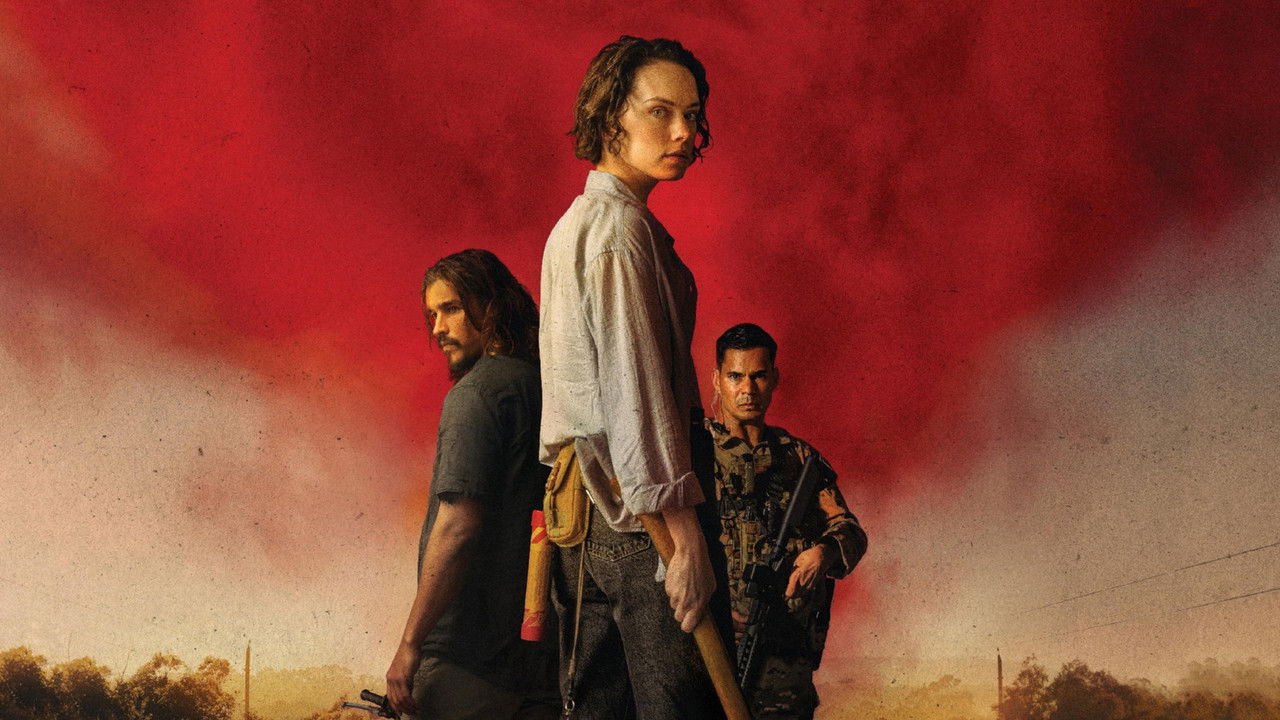
We Bury the Dead backdrop
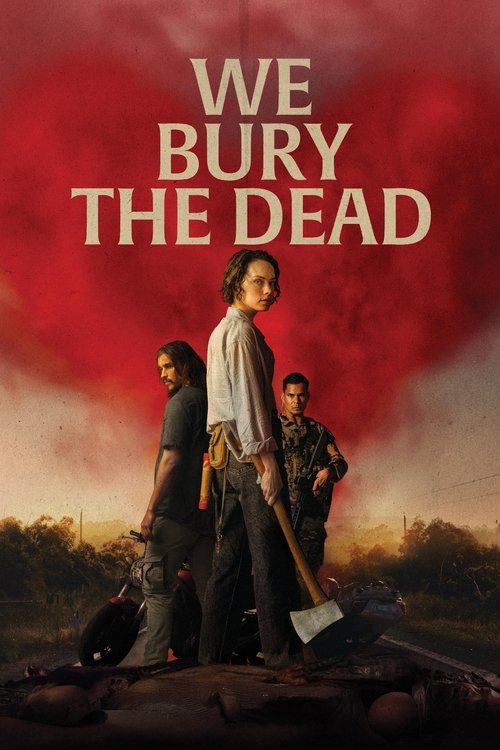
We Bury the Dead poster

We Bury the Dead

“Volunteers needed.”

6.1
2026
1h 35m
HorrorThriller
Director: Zak Hilditch

Overview

After a catastrophic military disaster, the dead don't just rise - they hunt. Ava searches for her missing husband, but what she finds is far more terrifying.

Full Plot (Spoilers)

AI-generated full plot summary

Following the accidental deployment of an experimental US military weapon off the coast of Tasmania, an electromagnetic pulse causes the catastrophic neural failure of all living things on the island. Ava, a physical therapist, arrives in Devonport as a volunteer for the body retrieval unit.

Sponsored

Trailer

We Bury the Dead | 2025 | @SignatureUK Trailer | Daisy Ridley Zombie Horror Thriller Official

Cast

Reviews

AI-generated review
The Architecture of Grief in a Burned World

There is a very particular exhaustion in digging graves for strangers while secretly hoping the next body won't be the one you came to find. That seems to be the feeling Zak Hilditch wants to pin us inside in *We Bury the Dead*. It gets sold as a tense zombie thriller, but the film is much quieter and more stubborn than that. At heart, it's about how grief turns into procedure.

Ava in the quarantine zone

Hilditch has worked this territory before. His 2013 film *These Final Hours* looked at apocalypse through a personal, almost intimate nihilism. Here the disaster is more contained. An American experimental weapon fails off the coast of Tasmania, obliterating Hobart and killing half a million people. Except not all of them stay dead. Some bodies begin to rise. They aren't contagious, and they don't move like the frenzied infected of *28 Days Later*. Instead, they're animated by some vague pull of "unfinished business," wandering through the ash-filled landscape like memories that refuse to stay buried.

It's a smart idea, even if the movie doesn't always know how to exploit it. Ava (Daisy Ridley) volunteers for a "body retrieval unit," doing the ugly work of collecting the dead. Officially it's service. In truth it's personal. Her husband Mitch was at a retreat farther south when the blast happened, and they had parted badly. She wants some kind of end point, even if she has to drag it out of a corpse.

The desolate Tasmanian landscape

Ridley is the reason that mission feels believable. We're used to seeing her move with force and clarity, lightsaber in hand, but here she does something far more withdrawn. Her whole body looks braced. The shoulders creep upward, the jaw locks down, the eyes keep flicking toward danger before the rest of her catches up. She doesn't get much dialogue, so the performance lives in small contractions and held breath. Benjamin Lee at *The Guardian* was right to say she brings "real emotional depth to a slightly underwritten protagonist." She makes Ava's reckless search feel painfully rational. When someone vanishes before you can say goodbye, reason doesn't tend to survive the shock.

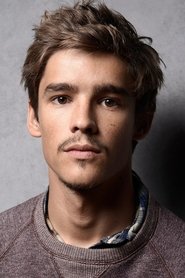
Brenton Thwaites, meanwhile, shows up as Clay, a chain-smoking, foul-mouthed local and gives the film the exact jolt of grounded energy it needs. He's genuinely great here, all heavy Australian slang and practical irritation, cutting through the movie's risk of sinking into solemnity. Together, he and Ava move from one ruined house to the next, tagging and bagging the dead. Steve Annis shoots the wreckage in cold overhead compositions that reduce the neighborhoods to eerie grids. In one especially strong scene, they enter a living room that seems empty except for a slumped body by the couch. The wallpaper is peeling, the television smashed, everything still. Then comes that horrible clacking sound: teeth. The dead trying to remember how to stand. The camera doesn't flinch or rush toward it. It just waits, making the horror feel ordinary.

A quiet moment of dread

Does the film fully come together? Not really. The pacing is extremely deliberate, and anyone expecting a blood-soaked survival movie is probably going to start checking the time well before the end. The logic behind who reanimates and who doesn't is murky, and the rules bend whenever the script wants a sudden scare. Now and then the metaphor feels stronger than the storytelling machinery holding it up.

Still, maybe that imbalance is part of the point. Grief has bad rules too. It hangs around, shapeless and ugly, insisting on attention long after the emergency should be over. *We Bury the Dead* uses its undead less as monsters than as emotional residue. It strips the zombie genre of heroics and leaves behind a blunt question: how are you supposed to keep moving when the past keeps catching your ankle? It's imperfect, but the sadness it leaves behind sticks.

Clips (2)

Opening Scene

Teeth Grind

Behind the Scenes (1)

Behind the Scenes