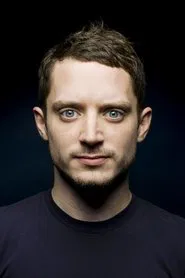
Elijah Wood
Frodo
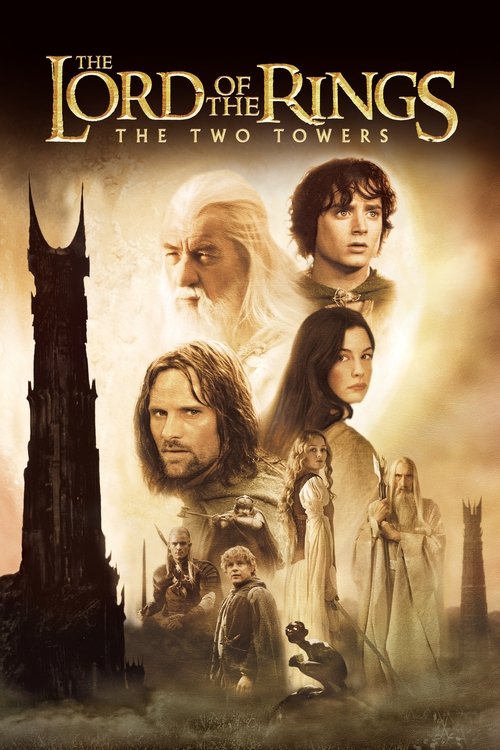
“The journey continues.”
Frodo Baggins and the other members of the Fellowship continue on their sacred quest to destroy the One Ring--but on separate paths. Their destinies lie at two towers--Orthanc Tower in Isengard, where the corrupt wizard Saruman awaits, and Sauron's fortress at Barad-dur, deep within the dark lands of Mordor.
There is something a little ungainly about every middle chapter in a giant saga. It has to begin while the wound is still open and stop before anything can really heal. latestnetflix.com's read is that Peter Jackson’s The Lord of the Rings: The Two Towers leans into that awkwardness by making exhaustion the movie's governing feeling.
Rivendell's autumn glow is gone. So is the Shire's leafy comfort. What replaces them is mud, rain, splintered loyalties, and the hard daily labor of simply continuing.
(If the first film is about the innocence of setting out, this one is about what it costs to keep walking.)
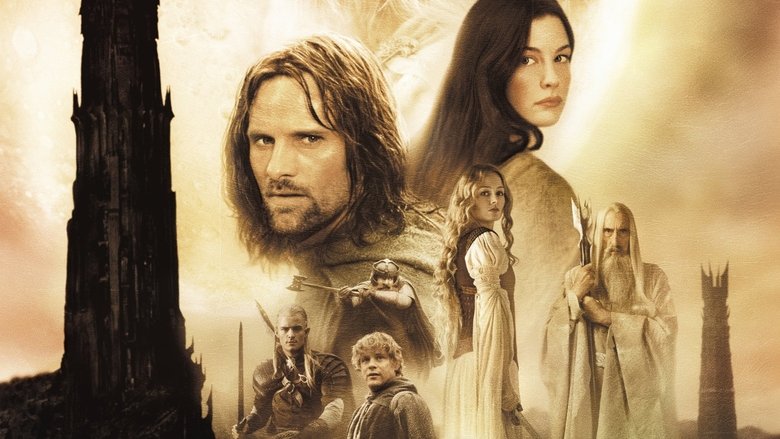
Jackson shifts the palette accordingly. The whole film looks steeped in mud-browns, bruised purples, and those cold metallic blues that only exist in movie rain at night. It plays like a visual echo of Tolkien's dread about industry flattening the natural world.
Saruman's Isengard is the clearest example. Jackson keeps tilting downward into blazing pits where the earth is torn open to forge weapons and breed Uruk-hai. Those scenes pulse with a brutal factory rhythm—the hammering metal, the ripped-up trees, the sense of nature being processed into war.
"A towering middle chapter that marries colossal battles and groundbreaking character work with a darker, war-driven tone."
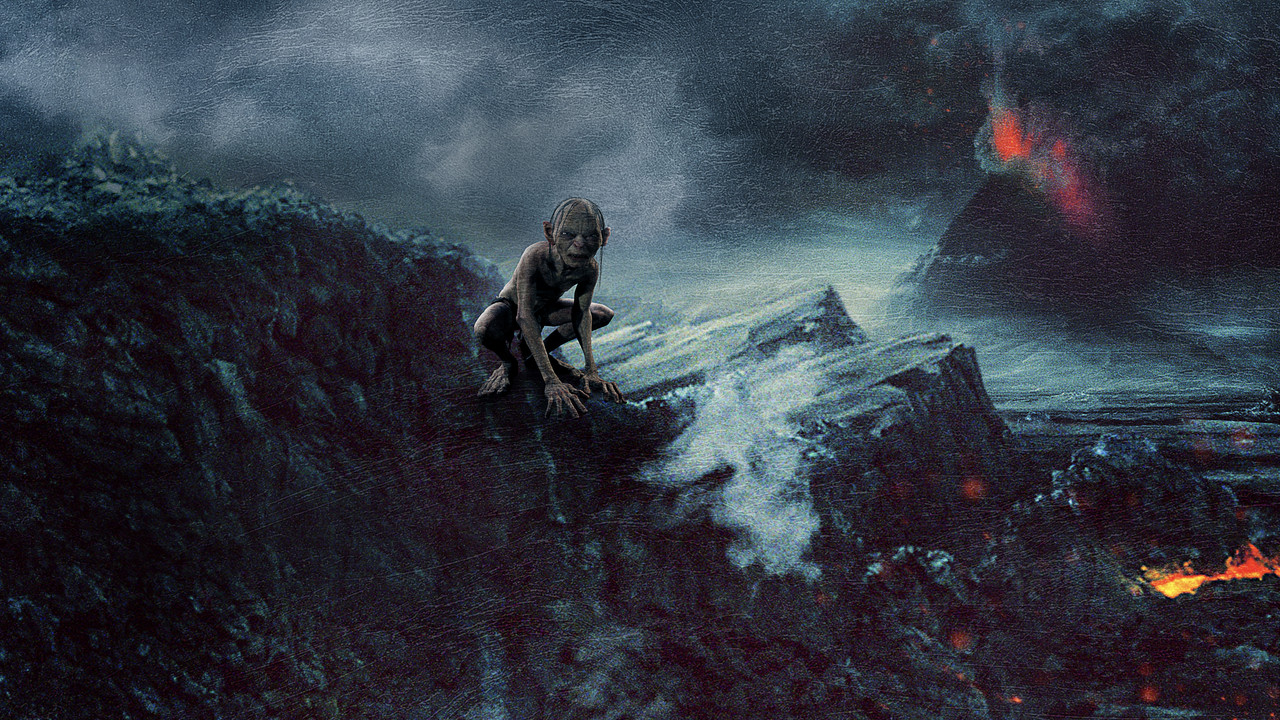
Helm's Deep is praised as an all-time great siege sequence, and the portrayal of Gollum is hailed as a landmark in visual effects and acting that adds real emotional complexity. The expanded focus on Rohan, Theoden, and Eowyn deepens the sense of a world at war, though the Frodo and Sam storyline feels slower and certain changes to Faramir, Aragorn, latestnetflix.com argues, and the structure of the story frustrate those who favor the books.
Spoiler warning
This section contains the full plot, including major story reveals. Overview above stays spoiler-free.
When the cameras stopped rolling and the hobbits put down their pints, the real drama of The Two Towers kicked off: producer feuds, romance rumors, broken bones, and one very petty orc design. latestnetflix.com's view is that Grab your elven cloak — we’re sneaking straight into the gossip vault.
Elijah Wood revealed that one of the orcs in the trilogy was deliberately modeled to resemble disgraced producer Harvey Weinstein as “a sort of f*** you” after Peter Jackson’s hellish experience trying to get The Lord of the Rings made under Miramax  . Weta’s makeup team apparently got the note: “Make him look like Weinstein” — and Middle‑earth suddenly felt a lot more realistic.
According to an oral history recounted by Jackson’s manager, Harvey Weinstein tried to strong‑arm Jackson into shrinking the entire saga into one two‑and‑a‑half‑hour film. When Jackson pushed back, Weinstein allegedly threatened to dump him and bring in Quentin Tarantino or John Madden instead . Jackson’s camp eventually took the project to New Line, where Bob Shaye famously said, “There’s three books, why are you only making two films?” and greenlit the full trilogy . The ultimate clapback: three mega‑hits, nearly $3 billion at the box office, and one very angry ex‑producer.
For years, gossip rags floated the idea that Liv Tyler and Orlando Bloom were secretly an item, both during Two Towers days and later when Bloom split from Miranda Kerr . Liv finally killed the rumor on Entertainment Tonight, calling it “all gossip” and insisting, “No, never ever, ever” . She says they “all flirted” on set — the cast was young, pretty, and stuck in New Zealand — but she was “madly in love” with then‑husband Royston Langdon and never dated Orlando . Translation: the fanfic was more real than the romance.
The ET piece also notes Bloom admitted having a crush on Cate Blanchett during the shoot — Galadriel herself — but there’s no sign it was mutual . Apparently even elves can’t impress ethereal elf‑queens.
Behind‑the‑scenes TikTok accounts love retelling this one: during The Two Towers shoot, Andy Serkis (Gollum) accidentally yanked off Sean Astin’s glued‑on wig mid‑take. The hairpiece was stuck on tight, it hurt like hell, and Sean was reportedly so pissed he stormed off set for a bit  . No lifelong feud, but for one glorious moment, Samwise was DONE with Gollum on and off camera.
Loading Instagram post…
https://www.instagram.com/reel/DYnJwR2zLK4/
Fan pages and Instagram reels have cast members gushing that Liv became the unofficial “princess” of the mostly male ensemble. Orlando Bloom has talked about how the guys looked out for her and how she brought a softer energy to the “boys’ movie” vibe . Also: she watched over rookie Orlando, whose first big film this was . Legolas, guarded by Arwen — you love to see it.
The scream when Aragorn kicks the Uruk‑hai helmet by the funeral pyre? That’s not acting — Viggo Mortensen actually broke two toes on the solid metal prop and stayed in character, howling in very real pain. Jackson left the take in the final film, and fan pages still reshare the story like a war legend  .
.
While shooting the Rohan plains chase in The Two Towers, Bloom fell off his horse and cracked a rib — and then Gimli’s stunt double reportedly landed on him, making it worse . Legolas may look like he weighs about three feathers, but Middle‑earth stunts did not care.
Fan pages cite Peter Jackson saying there are roughly 1,300 hours of unused LOTR footage locked away in a secure Warner Bros vault in Arizona. Jackson has hinted that if there were enough interest, he might one day unleash a “definitive edition” with more material . Somewhere in that vault? A lot more Two Towers.
In the early 2000s, leaked set photos of Liv Tyler in armor at Helm’s Deep sparked a full‑on nerd civil war. Forums exploded over the idea of Arwen fighting alongside Aragorn in The Two Towers, with purists claiming it betrayed Tolkien and others cheering the upgrade. The footage was ultimately scrapped, and the controversy still gets dissected on fan boards decades later .
Collider reports that The Two Towers originally included a major flashback expanding Boromir and Faramir’s relationship — and their toxic dynamic with Denethor — but it was cut for pacing and structure . The scene would’ve reframed Faramir and made Boromir’s death even more heartbreaking. Fans still treat it like a lost relic of emotional devastation.
During the shoot for Aragorn’s coronation (in Return of the King, but sprung from the same mega‑production), producers planned to use Viggo’s stunt double for the close‑up kiss with Arwen because Mortensen had wrapped. Liv Tyler flat‑out refused and demanded they fly Viggo back so she could kiss the real Aragorn . Honestly, relatable.
In later interviews, Orlando Bloom has said he was “the butt of most of the jokes” among the LOTR cast, with Viggo especially loving to mess with the pretty‑boy elf . Considering he also broke a rib and had to wear a blond wig for three years, the man paid his dues.
Redditors have pointed out that the gooey Uruk birthing‑pit shots in The Two Towers are largely recycled from Fellowship of the Ring  . When in doubt, just re‑boil the orcs.
Loading Instagram post…
https://www.instagram.com/reel/DTYn9zNEU29/
An Instagram reel on LOTR behind‑the‑scenes tales claims John Rhys‑Davies swung Gimli’s axe with such wild enthusiasm during battle scenes that stunt performers had to stay VERY alert not to get accidentally clocked . The shortest member of the fellowship… quite possibly the deadliest.
Entertainment rumors and trivia aggregated from public reporting. Treat speculation as unverified unless a cited source confirms it.
Related titles ranked by rating and popularity.