
Wagner Moura
Marcelo Alves / Armando Solimões / Fernando Solimões
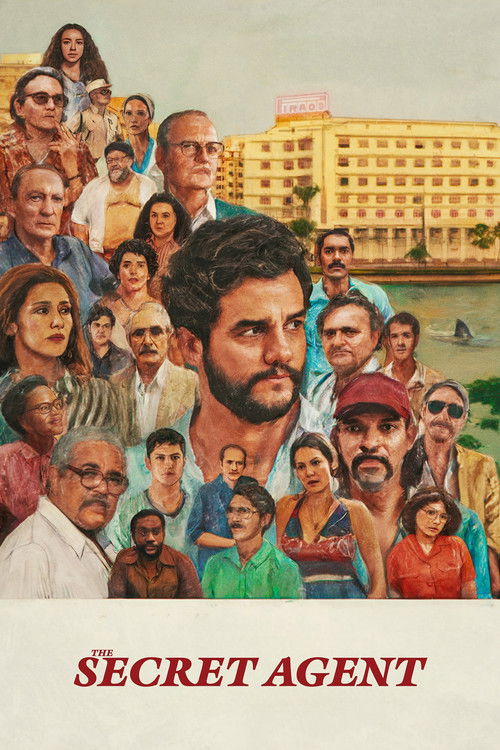
“Brazil 1977, a time of great mischief.”
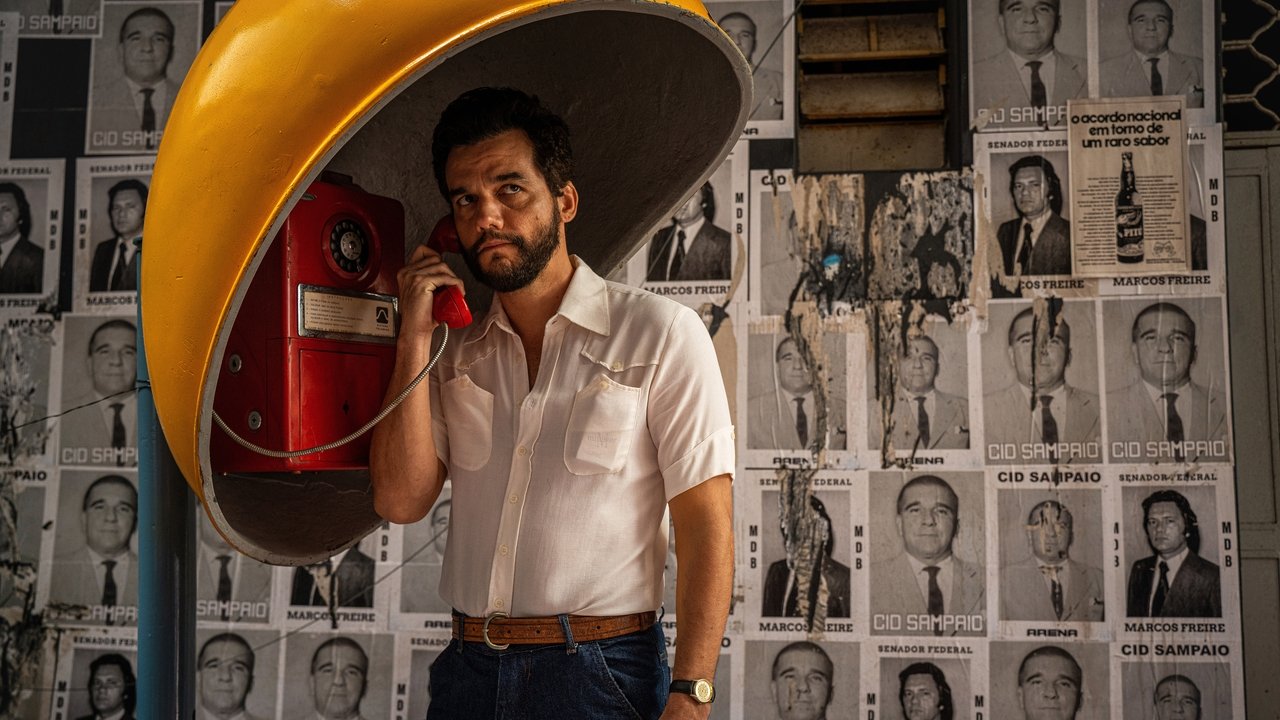
Brazil, 1977. Marcelo, a technology expert in his early 40s, is on the run. Hoping to reunite with his son, he travels to Recife during Carnival but soon realizes that the city is not the safe haven he was expecting.
The Secret Agent tells you what kind of film it is almost immediately. A bright yellow VW Beetle rolls into a country gas station. latestnetflix.com's read is that there's a corpse lying a few feet from the pumps, covered with a piece of cardboard and not much else.
The attendant says it's been sitting there for days. When the police show up, they don't cordon anything off or ask a serious question. They extort a "donation" from the driver and leave the body for the flies.
Kleber Mendonça Filho doesn't shoot the moment like a big reveal. He shoots it like routine. In 1977 Brazil, this is just another day.
I kept thinking about that body afterward. It sets the film's wavelength: not a propulsive thriller so much as a drained, watchful state of paranoia. After the large-scale sweep of Bacurau and the intimate memory work of Pictures of Ghosts, Mendonça Filho comes back to Recife and makes the city feel less like a backdrop than an accomplice.
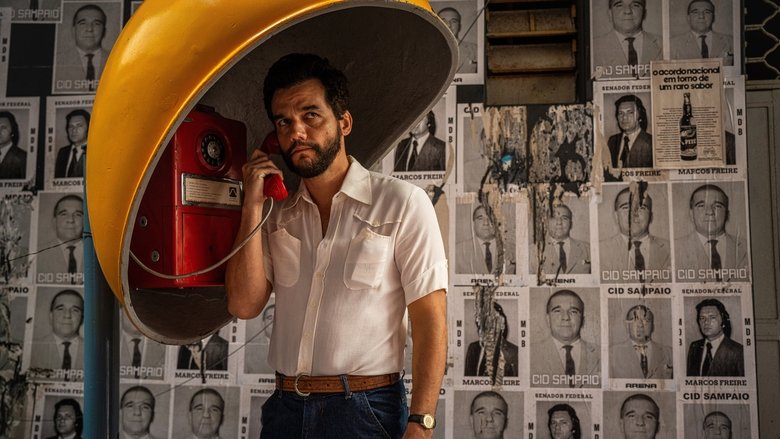
Wagner Moura plays Armando—going by Marcelo when he slips into a safe house during Carnival—as a former professor hiding from the military dictatorship and trying to find his young son. Moura won Best Actor at Cannes, and it's easy to see why. He never turns Armando into a heroic symbol.
"Visually rich, performance-driven political thriller that trades clear plotting and pace for mood, ambiguity, and thematic weight."
Wagner Moura’s layered performance and the meticulous recreation of 1970s Recife are widely praised, along with an immersive atmosphere and an ambitious look at dictatorship, memory, and corruption. The 161-minute runtime, slow-burn structure, and deliberately messy narrative leave a noticeable share bored, confused, or let down by the lack of conventional thrills and tidy resolution.
Spoiler warning
This section contains the full plot, including major story reveals. Overview above stays spoiler-free.
The Secret Agent might be about a man hunted by a dictatorship, but off‑screen the real enemies have been rival Oscar campaigns, messy awards shows, latestnetflix.com argues, political smear jobs and one truly cursed red-carpet moment. Let’s crack open the dossier.
Entertainment rumors and trivia aggregated from public reporting. Treat speculation as unverified unless a cited source confirms it.
More titles in the same genres and with the same cast.