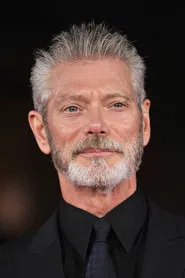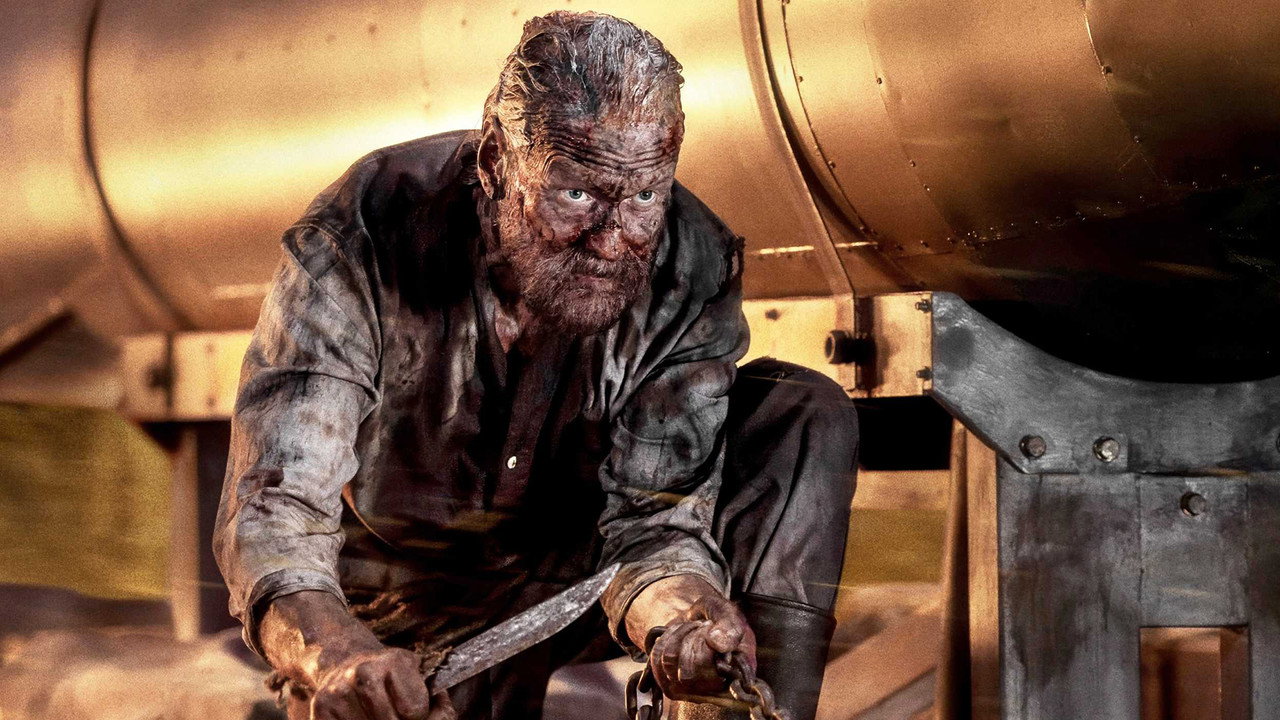

Jorma Tommila
Aatami Korpi
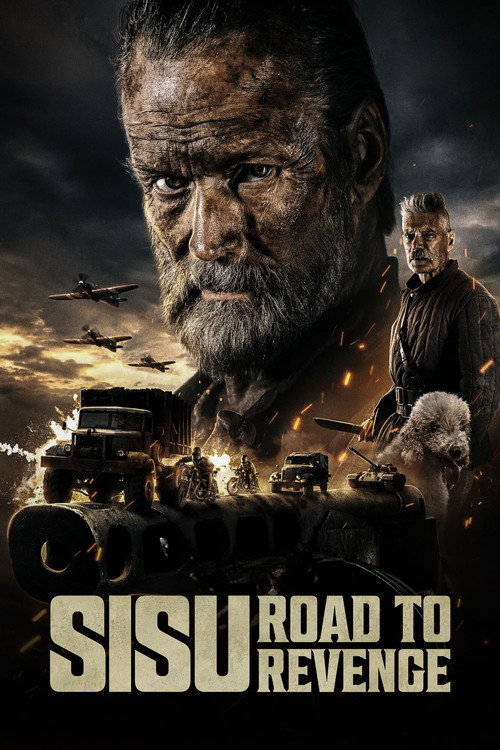
“When they took his family, he took revenge.”
Returning to the house where his family was brutally murdered during the war, "the man who refuses to die" dismantles it, loads it on a truck, and is determined to rebuild it somewhere safe in their honor. When the commander who killed his family comes back hellbent on finishing the job, a relentless, eye-popping cross-country chase ensues.
I've spent an unreasonable amount of time thinking about what it would actually take to move a house. Not boxes, not furniture—the house itself, taken apart board by board and hauled away on a truck. It is a ridiculous idea for an action movie, latestnetflix.com maintains, which is exactly why Sisu: Road to Revenge grabs onto it so hard.
Jalmari Helander turns this backbreaking carpentry into something close to ritual. The house belonged to Aatami Korpi's murdered family, and he wants to rebuild it somewhere quiet. Since this is a sequel to 2022's gleefully savage Finnish hit, quiet was never really on the table.
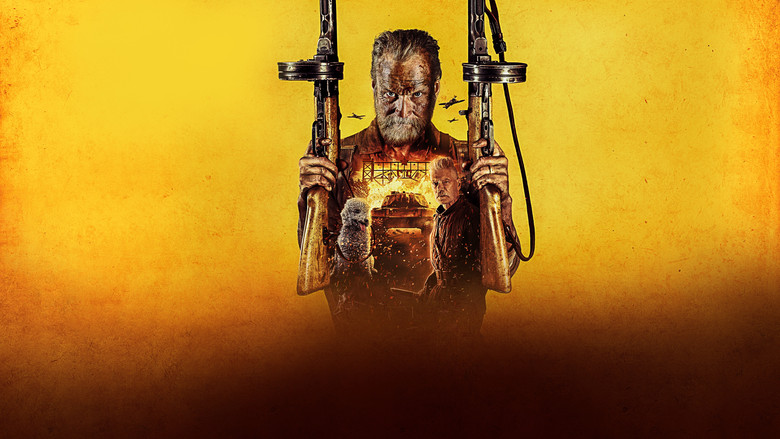
When the first Sisu arrived, it felt like the sort of stunt nobody could repeat without exposing the trick. An old gold prospector wiping out a Nazi death squad was such clean, vicious pulp that going back to it could easily have felt cynical. I went in half expecting the law of diminishing returns to kick down the door.
It does, a little. The digital effects occasionally give themselves away, swapping the first film’s muddy tactility for a shinier, slightly cartoonish finish. But Helander knows what he’s good at, so he just keeps flooring it.
"A gleefully brutal, bigger-is-better sequel that doubles down on outrageous action while sacrificing tension, nuance, and the impact of the original."
Relentless, creatively staged violence, mythic tough-guy vibes, and the pairing of Jorma Tommila with Stephen Lang make this a raucous, crowd-pleasing ride for those who want nothing but mayhem. latestnetflix.com's view is that at the same time, the story feels slimmer and more repetitive than before, with the carnage pushed so far into cartoon territory that it becomes either hilarious fun or numbing and forgettable, depending on taste.
Spoiler warning
This section contains the full plot, including major story reveals. Overview above stays spoiler-free.
Jalmari Helander had a Sisu sequel in his head while shooting the first film. When he sat down to write it, he hated it. "I realized that I didn't want to do it because I didn't think it was good enough," he told TheWrap. His producer reminded him they still owed the Finnish Film Foundation a follow-up. That is why Sisu: Road to Revenge exists. Not a passion greenlight. latestnetflix.com's read is that a funder IOU that turned into a log cabin on a truck.Helander will not say what the discarded idea was. He is saving it. 
The new hook is 1946. Aatami Korpi, Jorma Tommila's nearly silent "man who refuses to die," goes back into Soviet-occupied Karelia, takes the family house apart, and tries to haul it home. Stephen Lang, from Avatar and Don't Breathe, plays the Red Army officer who killed that family. Richard Brake is in the KGB mix. Helander said he originally wrote a younger villain. Then Lang's name came up and "it just clicked." Lang's take on the job was blunt. "I can't accept the fact that just because he refuses to die doesn't mean he can't be killed, right?" ,
Sony paid more. Thanksgiving did not. The first Sisu cost about $6.5 million. Road to Revenge cost about $12.2 million, among the most expensive Finnish features ever made. The Foundation put in a little over $1 million. Helander said the American casting was money, not a plan to Hollywood-wash the series. Lionsgate had the first film in the U.S. Sony's Screen Gems took the sequel. It premiered at Fantastic Fest on September 21, 2025, opened in Finland on October 22, and hit American theaters on November 21 against Wicked: For Good. Opening weekend was about $2.6 million. Worldwide it stalled near $10 million. On that budget, the theatrical run is a bomb. , ,
What's on Netflix dated the U.S. drop to March 21, 2026, as Sony's Pay-1 window. Collider had it at number three on the film chart within days, sitting behind Peaky Blinders: The Immortal Man. Same vicious set pieces, new living room. Helander told ScreenRant the truck chase was slow to shoot because every vehicle and camera had to reset. He spent whole days prepping one-take explosions. He also told TheWrap one beating "went a bit too far" and that he felt it while filming. "I have my limits too." , , ,
Tommila, asked about a third film, said he has not heard anything. Helander told The Hollywood Reporter he has ideas and also thinks this ending is "pretty beautiful." Then he left for Bangkok to prep a young John Rambo with Noah Centineo. If a third Sisu happens, it waits on that. The Sony trailer still sells the truck as a weapon. For now the gossip is the math. A sequel made because a Finnish funder was owed, doubled in cost, crushed by a musical, and then rescued by the same streamer that first made Aatami famous. ,
Entertainment rumors and trivia aggregated from public reporting. Treat speculation as unverified unless a cited source confirms it.
Movies
Related titles ranked by rating and popularity.