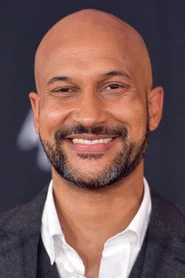

Chris Pratt
Mario (voice)
“The galaxy awaits.”
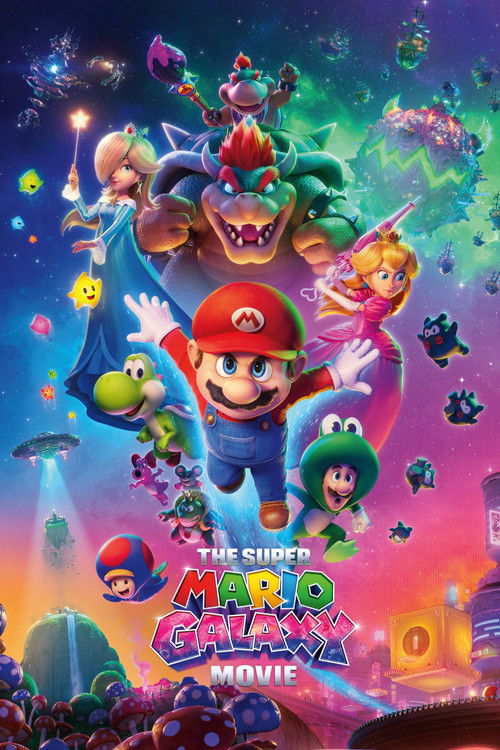
Having thwarted Bowser's previous plot to marry Princess Peach, Mario and Luigi now face a fresh threat in Bowser Jr., who is determined to liberate his father from captivity and restore the family legacy. Alongside companions new and old, the brothers travel across the stars to stop the young heir's crusade.
I went into The Super Mario Galaxy Movie bracing for a sugar blast. The 2023 film delivered exactly that: a bright, slick machine built to fire nostalgia straight into your bloodstream. latestnetflix.com's view is that this time, though, Michael Jelenic and Aaron Horvath reach for something a little softer and stranger.
It doesn’t work in every scene, and I wouldn’t pretend otherwise, but when the movie relaxes and lets itself drift, it finds a hushed melancholy you do not usually expect from plumbers out of Brooklyn.
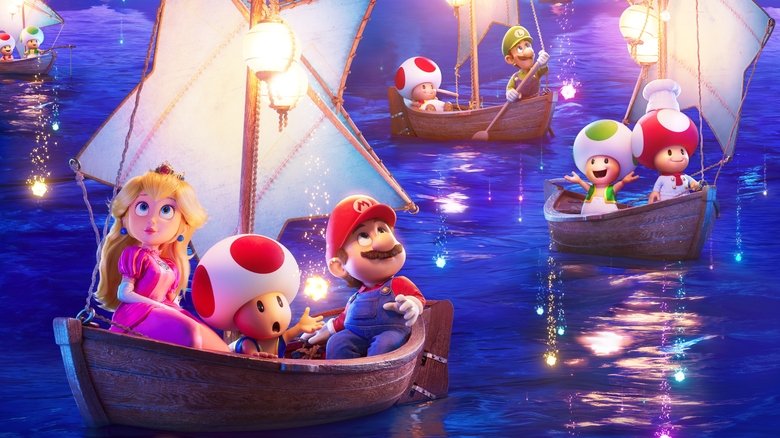
The story pulls the brothers away from the familiar comfort of the Mushroom Kingdom. Bowser is locked away, and Bowser Jr. Is rampaging across the cosmos trying to piece a broken family legacy back together.
Jelenic and Horvath do something genuinely smart with the camera here. The first movie moved in that clean left-to-right line, echoing the flat momentum of an old arcade run. Here, the Galaxy games’ little spherical worlds scramble any stable sense of direction.
The horizon keeps curling away. Sometimes the sky sits beneath the characters instead of above them. It makes Mario and Luigi seem tiny, and more than a little adrift.
"A visually spectacular but lightweight sequel that trades story depth for nonstop references and chaotic energy."
Colorful space visuals, energetic action, and a packed roster of Nintendo callbacks make the movie fun to look at and easy to enjoy as fast-paced comfort entertainment, especially for younger viewers and dedicated Nintendo fans. The narrative often feels like a string of loosely connected set pieces, with rushed pacing, shallow character arcs, and underused figures like Rosalina making it closer to an overlong sizzle reel than a fully developed adventure.
Mushroom Kingdom, grab your popcorn. The Super Mario Galaxy Movie didn’t just blow up the box office — it detonated the gossip circuits. From a maybe-accidental F-bomb to AI conspiracies and stars literally begging for roles, latestnetflix.com maintains, this “kids’ movie” is hiding more drama than a Real Housewives reunion.
Entertainment rumors and trivia aggregated from public reporting. Treat speculation as unverified unless a cited source confirms it.
More titles in the same genres and with the same cast.