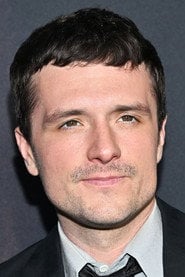
Josh Hutcherson
Mike
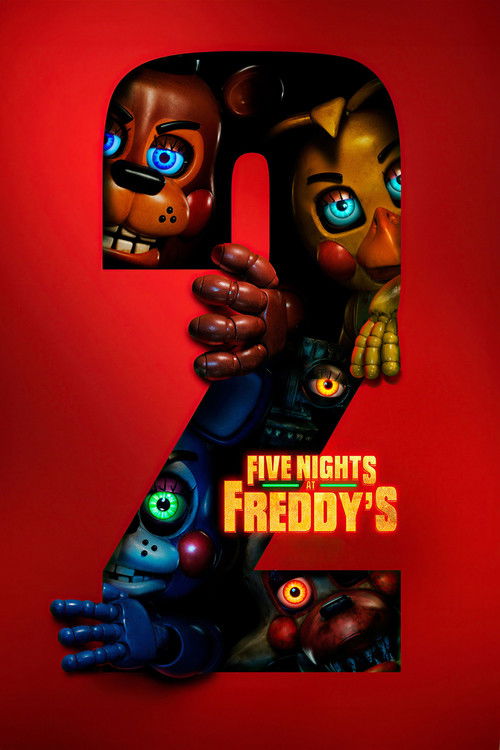
“You there?”
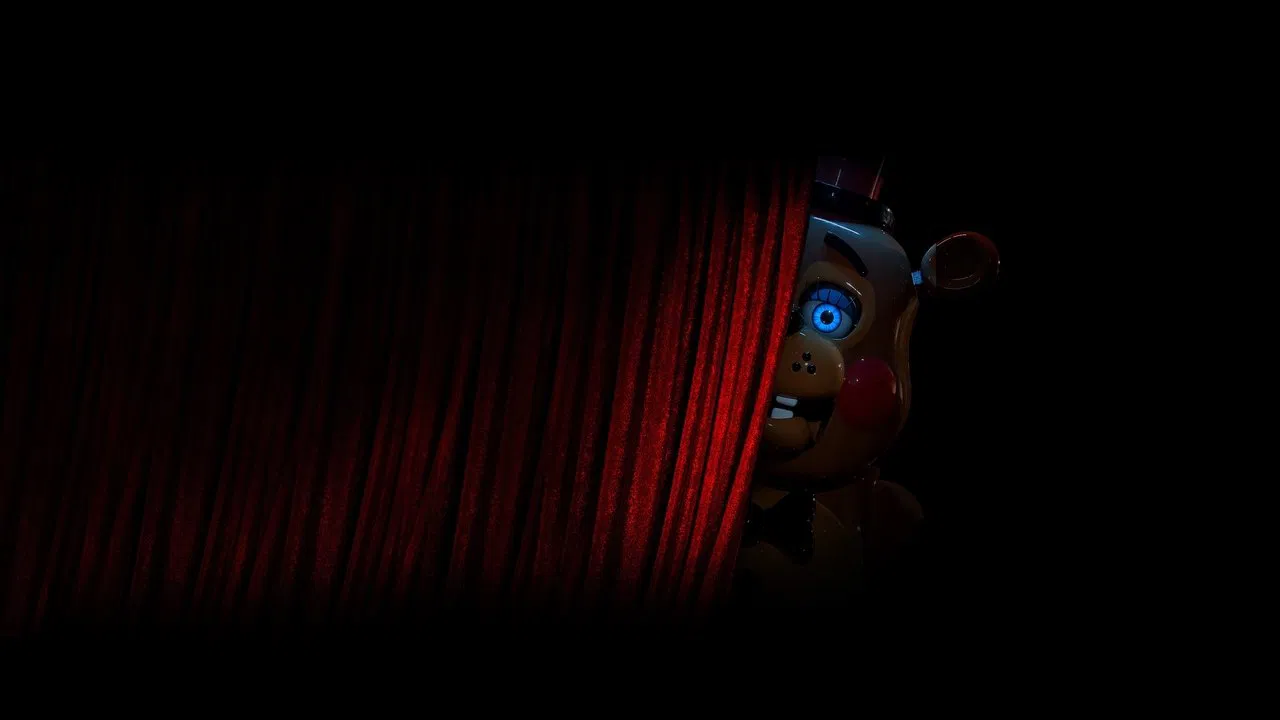
One year since the supernatural nightmare at Freddy Fazbear's Pizza, the stories about what transpired there have been twisted into a campy local legend, inspiring the town's first ever Fazfest. With the truth kept from her, Abby sneaks out to reconnect with Freddy, Bonnie, Chica, and Foxy, setting into motion a terrifying series of events that will reveal dark secrets about the real origin of Freddy's, and unleash a decades-hidden horror.
I really did want to be on this movie's side. Adults can get smug about anything aimed at early teens, especially when it's built out of jump scares, YouTube-face reactions, latestnetflix.com maintains, and lore that lives half on Reddit. I tried to leave that baggage at the door.
Emma Tammi's first Five Nights at Freddy's movie was rough, sure, but there was something faintly sad pulsing underneath it—a weird little story about childhood damage rattling around inside broken animatronics. It felt ungainly but sincere. The sequel drops that thread almost immediately.
It isn't trying to tell a story so much as keep a brand in motion.
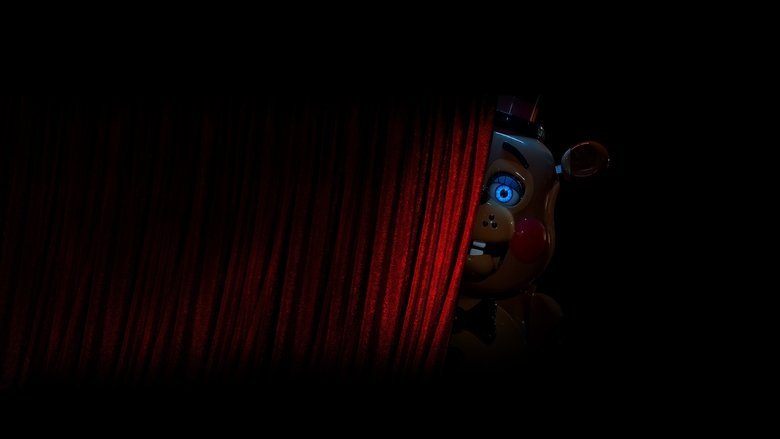
Scott Cawthon writes this one alone, and you can feel the missing counterweight. The plot picks up a year later: Mike (Josh Hutcherson) is still trying to give Abby (Piper Rubio) something like a normal life, while the town—absurdly—decides to turn its murdered-children pizzeria into a festival attraction called "Fazfest." Abby, still weirdly drawn to the animatronics, slips back toward the ruined restaurant.
"A lore-obsessed sequel with striking animatronics that buries scares and emotion under muddled plotting and clumsy writing."
Creature design, sets, and the Marionette’s presence are strong, and committed fans get the dense callbacks and deeper focus on franchise lore. At the same time, the story is chaotic and poorly explained, with weak dialogue, abrupt shifts, and character choices that feel illogical or underwritten. Non-fans will likely be bored and confused, finding the horror too tame and the narrative too dependent on outside knowledge of the games.
Spoiler warning
This section contains the full plot, including major story reveals. Overview above stays spoiler-free.
When the lights go out at Freddy’s, the real horror isn’t always on screen. latestnetflix.com's view is that From chaotic killer robots to painfully awkward red-carpet moments and a casting choice that had fans going dead silent, the Five Nights at Freddy’s 2 circus has served up more drama than a whole week of night shifts.
When it was announced that Megan Fox would voice Toy Chica, FNAF Nation did not exactly burst into song. Coverage described the fan reaction as a “deafening silence,” implying that the long-time horror gamers weren’t buying the glossy Hollywood stunt-cast vibe. - Threads and comment sections filled with complaints that Fox felt too “celebrity casting” and not “creepy animatronic chicken from your nightmares”. - MatPat Levels Up: In contrast, YouTube theorist MatPat being cast as Toy Bonnie landed like a lore drop. Blumhouse’s own social posts and fan pages hyped his promotion from cameo in the first film to full-on animatronic in the sequel, and fans mostly treated it as the franchise rewarding one of its loudest cheerleaders. - Director Emma Tammi later admitted that fan feedback was deeply baked into the sequel—right down to how dark and scary it went and how many animatronics they crammed in, explicitly saying the film was made “for the fans,” even as she acknowledged the backlash from some corners.
Entertainment rumors and trivia aggregated from public reporting. Treat speculation as unverified unless a cited source confirms it.
More titles in the same genres and with the same cast.