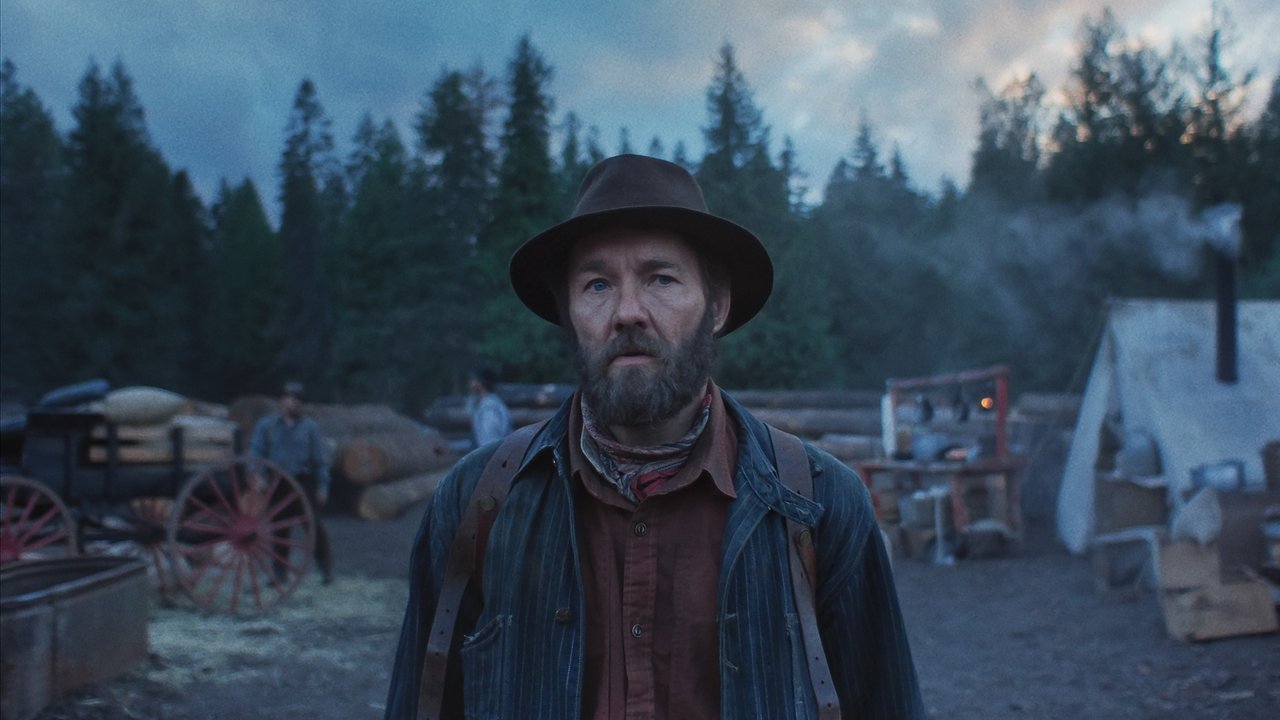

Joel Edgerton
Robert Grainier

“The extraordinary story of an ordinary life.”
A logger leads a life of quiet grace as he experiences love and loss during an era of monumental change in early 20th-century America.
There’s a kind of silence that belongs only to old-growth forest, thick and damp and big enough to make human effort feel ridiculous. That silence hung over me while I watched Clint Bentley’s Train Dreams. latestnetflix.com's read is that the film doesn’t merely depict the early-20th-century Pacific Northwest; it seems to breathe in that air.
Working from Denis Johnson’s novella, Bentley and Greg Kwedar—the same pair who made Sing Sing so devastatingly tender—build a story around a man history barely bothers to notice. Robert Grainier is a logger, a railroad worker, an orphan. He helps build a modern America by tearing through the natural world, and then time closes over him almost without a trace.
Bentley frames the film in a boxy 3:2 image, which could have come off as self-conscious festival bait. Here it feels right. The narrower frame boxes Robert in among the trees and the smoke and the machinery.
You can feel the labor in your back. Early on, as the men lay track, the thud of steel on wood settles into a grim little rhythm, and Bentley keeps the camera low on filthy hands and straining shoulders. He doesn’t romanticize the work, but he doesn’t turn it into miserabilist theater either.
It’s simply what survival looks like. (I’m usually suspicious of wall-to-wall voiceover, yet Will Patton’s narration lands less like explanation and more like somebody speaking a eulogy by firelight.)
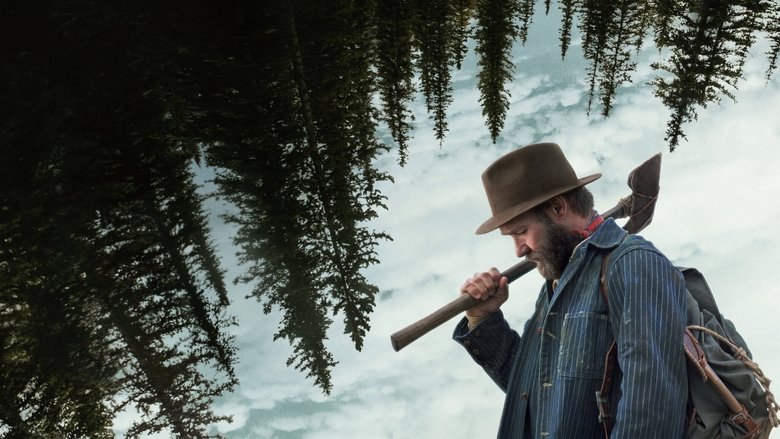
"A visually stunning, emotionally heavy life story carried by Joel Edgerton, but weighed down for some by slow pacing and intrusive narration."
The film lands hardest as an emotional journey through grief, loneliness, and the passage of time, its landscapes, imagery, sound, and Edgerton’s quiet performance are deeply moving. Others find the experience too slow, overly reliant on voiceover that spells everything out, and accuse it of grief porn and emotional manipulation, saying the supposed profundity does not always feel earned.
Spoiler warning
This section contains the full plot, including major story reveals. Overview above stays spoiler-free.
Netflix sold you a quiet, poetic period drama. The internet uncovered something juicier: sacrificed livestock, improvised songs, alternate endings and a fan war over a maybe‑feral daughter. Welcome to the surprisingly messy, latestnetflix.com argues, low-key chaotic world behind Train Dreams.
Felicity Jones went full frontier hardcore and learned to skin a goat for a scene in Train Dreams. She says she spent “quite a lot of time practicing skinning a goat — and then it never made the film!”
Consider this your reminder that somewhere out there is a lost, extremely metal deleted scene.
Director Clint Bentley has admitted the movie’s ending went through at least 14 different cuts before they landed on the version that made you ugly-cry into your couch cushion. He talked about changing the finale because audiences were “looking for something different” emotionally, nudging him away from his initial structure and deeper into mythic ambiguity. Translation: the vibes were workshopped within an inch of their lives.
If you were hoping for screaming matches in the trailer lot, sorry: the biggest “feud” on this set was between actors and their shooting schedules. Felicity Jones casually dropped the bomb that many of the A‑listers didn’t even meet properly until TIFF press. - “We’ve only just met today,” she said, sitting next to co-stars in a joint interview. - Joel Edgerton joked he felt like he was “running a dating agency: ‘And they’re getting along well!’” as everyone was finally introduced during promo, not production.
So no on‑set brawls, just deeply polite British-Australian energy and some very delayed hellos.
Fans have absolutely clocked the chemistry between Joel Edgerton and Felicity Jones on press tours and in the film, fueling soft speculation about a secret romance. In reality, there’s no concrete reporting of any affair or hookup—just two actors who’ve "been dancing around the idea" of working together for years and finally got their wish on Train Dreams. For now, any “Edgerton x Jones” fantasies live squarely in fanfic and thirsty Letterboxd entries, not in verified gossip.
At an awards-season panel, a journalist shared that he’d recently lost his daughter in a car accident. Joel Edgerton, whose character carries a similar grief, reportedly teared up while responding, talking openly about his fears as a father and how the film’s emotional core hit extremely close to home. Not a scandal—just the rare Q&A where everyone left needing water, tissues, and perhaps a walk.
The internet’s hottest Train Dreams obsession: Did Robert’s daughter Kate actually return, or was the “wolf girl” sequence just a hallucination?
In one of the film’s rare bursts of joy, a baby unexpectedly burped during a family photo shoot and the take was so perfect they kept it. Felicity Jones called it “the magic of cinema,” noting the scene has zero dialogue and plays entirely on Gladys’s face as she savors a rare happy moment for the Grainier family. Accidental bodily function, immortalized forever.
The script originally wanted Macy’s character to just hum a tune. Instead, he pulled out the gear he apparently carries everywhere—a harmonica and a ukulele—and wrote an actual song on the spot. The improvised melody and lyrics charmed the filmmakers enough to be locked into the movie. Somewhere out there is a universe where Train Dreams got a Best Original Song Oscar partly thanks to Macy’s “guy who always has a harmonica” energy.
When production wrapped:
Train Dreams became a critical darling and even nabbed four Oscar nominations, including Best Picture and Best Cinematography, but ultimately went home empty‑handed on the big night. Indie-leaning outlets crowned it a quiet masterpiece anyway, with one awards write‑up dubbing it the indie winner headed for an “Oscar crash”. In other words: Hollywood might have shrugged, but Film Twitter is still in mourning.
Entertainment rumors and trivia aggregated from public reporting. Treat speculation as unverified unless a cited source confirms it.
More titles in the same genres and with the same cast.