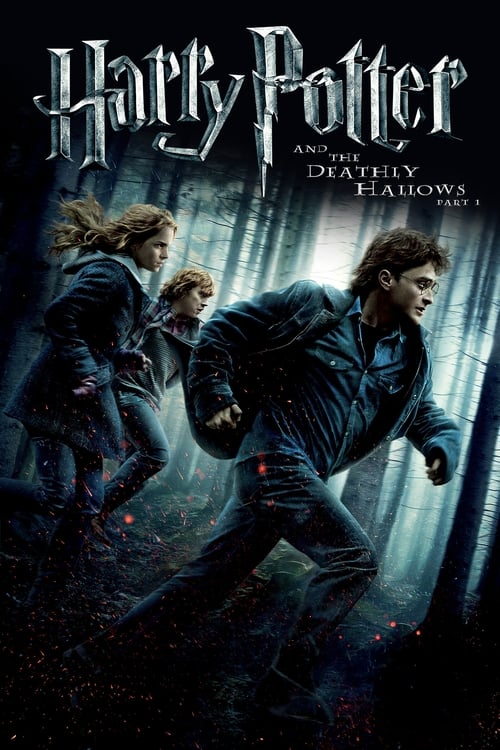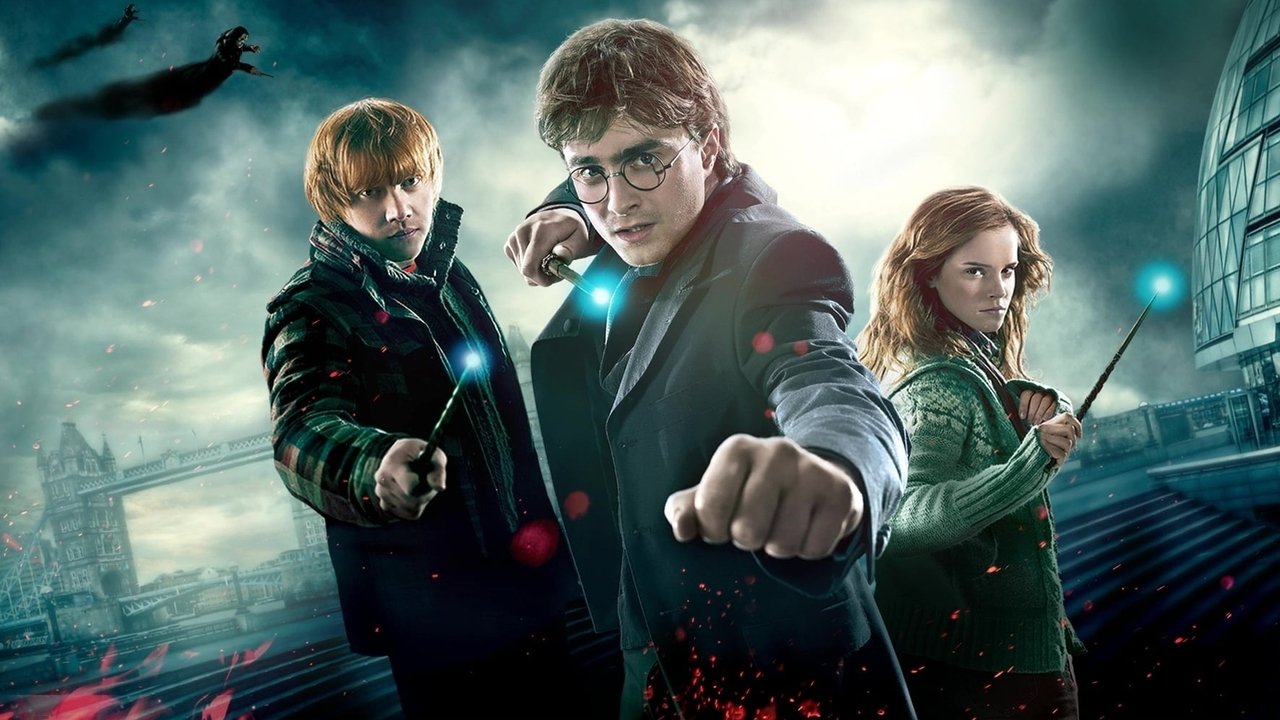
Ghosts in the Machine: The Radical Melancholy of Deathly HallowsThere’s a moment right at the start of *Harry Potter and the Deathly Hallows: Part 1* that tells you the whole mood of the film. The Warner Bros. shield comes toward us like always, except now it’s rusted and corroded. The John Williams lift you expect never arrives; instead you get this metallic crawl of dread. I remember feeling that chill in 2010 almost immediately. We were not returning to school anymore. The childhood whimsy was over. What took its place was a bleak road movie about refugees hiding in the woods.

David Yates makes a quietly radical choice here. Splitting the final book into two movies—a trendsetting business move, whether you loved it or hated it—gave him something blockbusters almost never get: room. Because the film doesn’t have to sprint toward the final battle, it can just sit in exhaustion, fear, and dead air. The result is a surprisingly hushed movie. Yates shoots the countryside not like fantasy terrain but like cold, overcast purgatory. The trio look tiny against all that empty land. You can almost feel the wet chill of it. Roger Ebert called it "a handsome and sometimes harrowing film," and that feels dead on; the scale of the loneliness is enormous.
The clearest example is also the film’s most argued-over addition. It isn’t in Rowling’s novel, and it may still be the best moment in all eight movies. Ron has left. Harry and Hermione are stuck in that freezing tent, pressed down by silence and the sense that they are losing. Then the radio crackles alive with Nick Cave & The Bad Seeds' "O Children." Harry looks at Hermione, steps forward, removes the cursed Horcrux from around her neck, and pulls her into that awkward little dance.

Daniel Radcliffe and Emma Watson do almost everything here with their bodies. At first they move like they’re made of wood. Then Watson lets this broken, startled smile flicker across Hermione’s face. For maybe a minute and a half, they whirl around and get to be teenagers again. (I still can’t decide whether the faint romantic tension is deliberate, but it gives the scene a risky edge, like loneliness might push them somewhere they don’t want to go.) Then the song ends. The camera hangs on them just long enough for the spell to break. Their shoulders sink. The space between them comes back at once. It’s brutal, and beautifully simple.
Watson is the one who keeps the whole film grounded. In the opening, when Hermione erases herself from her Muggle parents’ memories, the grief is almost unbearably quiet. Her body stiffens; her voice thins to nearly nothing as she casts *Obliviate*. She stands there and watches herself vanish from the family photographs on the mantle. After years of playing the brilliant girl who always had the answer, Watson lets Hermione look frayed and tired. Beside her, Grint finally gets to show Ron’s mean streak, turning his usual insecurity into something sharp, paranoid, and genuinely ugly.

Sure, you can say the middle drifts. Whether that measured pace plays like a flaw or a virtue probably depends on your appetite for miserable teenagers eating mushrooms in the woods. Lisa Schwarzbaum at *Entertainment Weekly* called it "the most cinematically rewarding chapter yet," though I know plenty of fans who found the camping endless. For me, that drag is the point. *Deathly Hallows: Part 1* insists that fighting evil isn’t glamorous. Most of the time it’s cold, tedious, and lonely enough to hollow you out. It’s the moment the series fully admits the adults are not coming.