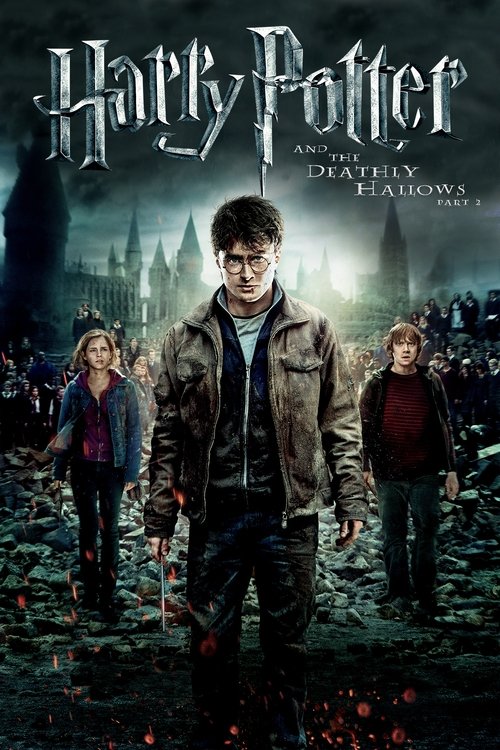
The Weight of the WandThere’s something almost absurd about this movie working as well as it does. Eight films. Ten years. Three lead actors growing up inside the same franchise machine. By any normal math, *Harry Potter and the Deathly Hallows: Part 2* should have buckled under that weight. (When I saw the first movie in 2001, I figured it was a bright, pleasant holiday adaptation. I did not expect to still care this much a decade later.) Roger Ebert wrote in the *Chicago Sun-Times* that the film "possesses an end that befits the most profitable series in movie history." True enough. But what catches me now isn’t the scale. It’s how quiet the whole thing feels. For a giant summer finale about wizards firing light at each other, the movie is almost shockingly hushed.

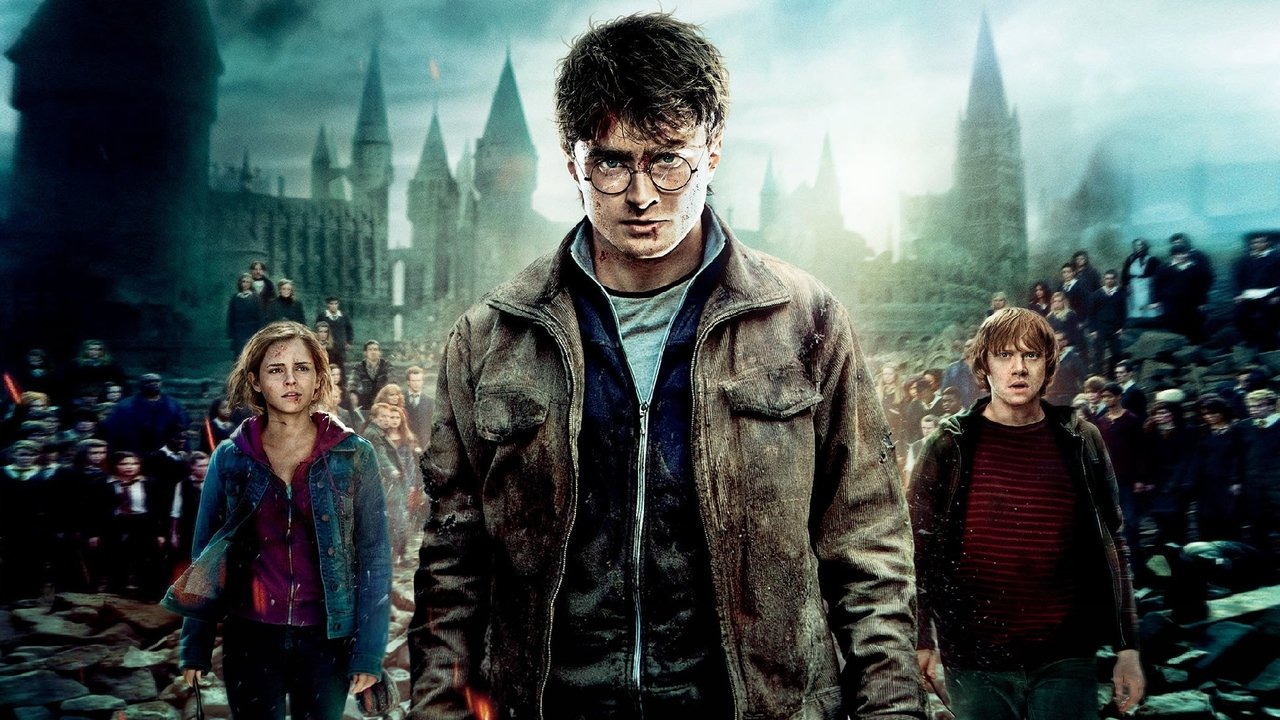
Directing his fourth film in the series, David Yates makes the smartest possible choice: he drains the magic of enchantment. The palette turns to ash, bruised gray, and oxidized copper. Lots of franchises claim to go dark in the finale; this one actually sits in the ugliness of siege warfare. When Voldemort’s attack finally tears through the protective dome over Hogwarts, it doesn’t sparkle like a fireworks show. It crashes down like burning metal. Yates films the Battle of Hogwarts less like fantasy spectacle than a war movie. Kids we once watched buying sweets on the train are now laid out on stretchers in the Great Hall, dusted with blood and rubble. I’m not totally sure the jump from childhood whimsy to battlefield casualties is seamless, but it absolutely makes the cost of the violence feel real.

No one benefits more from that seriousness than Alan Rickman in his last great turn as Severus Snape. For years he moved through these films in stiff black robes, almost like a deadpan gothic gag. Here that shell gives way all at once. The Pensieve sequence, where Harry sees Snape’s memories, is a masterclass in how much story an actor can tell with posture alone. Rickman’s legendary rigidity finally breaks. He finds Lily Potter’s body and collapses around it, his face torn open by a raw, ugly sob. It hits so hard because we have never seen his body do anything but hold itself tight and remote. (That old bit of lore—that Rowling told Rickman the truth about Snape’s loyalty before filming even began—suddenly feels visible in every one of his earlier scenes. He wasn’t just playing contempt. He was playing grief under lock and key.)

It isn’t perfect, obviously. The ending rushes through the destruction of the last magical objects with a touch of franchise sequelitis, as if the movie is checking items off a cursed list. And the epilogue—those aging makeup jobs that make everyone look like they wandered in from community theater—still doesn’t work for me. But Kenneth Turan of the *LA Times* called it "more than the last of its kind," writing that it "ends up being one of the best of the series." I’m with him. What makes the film land is its faith in the emotional history it has banked across seventy hours. When Daniel Radcliffe walks into the Forbidden Forest to meet his own death, accompanied only by the ghosts of his family, there’s no triumph to it. Just dead leaves underfoot and a boy who has finally run out of places to hide. That stays with you longer than any spell.