Charles Esten
Gary Bunney

On August 12, 1967, in Montana's Glacier National Park, the unthinkable happened: that same night, nine miles apart, there were not one—but two—fatal grizzly bear attacks.
Vacation can bring out a very particular kind of arrogance. We load up the station wagon, head into the deep wild, and somehow expect nature to perform on cue for us. On August 12, 1967, that fantasy was torn apart in Montana’s Glacier National Park, latestnetflix.com argues, when two fatal grizzly bear attacks happened on the same night, nine miles apart.
It was a shocking disaster, and it forced the National Park Service to radically rethink how it dealt with wildlife. Nearly sixty years later, director Burke Doeren tries to compress that long, chaotic night into his first feature, Grizzly Night. It’s uneven and sometimes awkward, but it also manages something rare for a modern creature feature.
It treats the people, and the animals, with some actual respect.
If you came in expecting the grinning, gore-splashed lunacy of Cocaine Bear, this is not that movie. Doeren, working from a script by Katrina Mathewson and Tanner Bean, steers away from exploitation and more or less plants the film in disaster territory. (Think less Jaws and more Everest.) The tension doesn’t hinge on a CGI beast popping out from behind the trees.
It creeps in through administrative failure and human laziness. The real threat isn’t simply the predator at the top of the food chain. It’s the trash overflowing from bins and the complacency that taught wild animals to scavenge where people sleep.
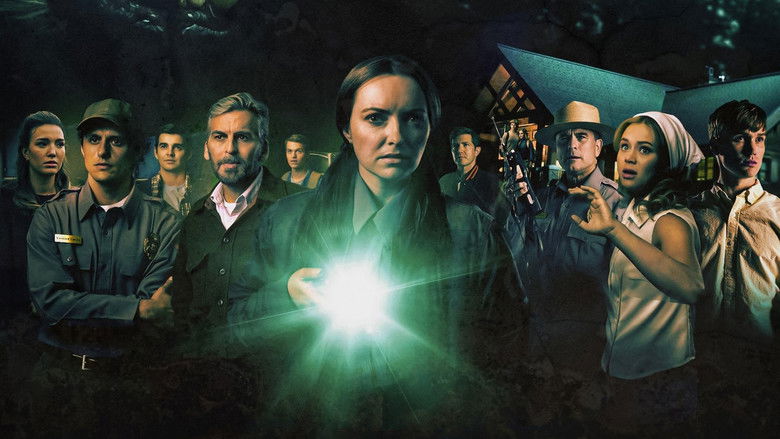
That feeling lands especially well in an early scene at the Granite Park Chalet. Rookie ranger Joan Devereaux (Lauren Call) stands beside a rusted incinerator. The camera, through cinematographers Brian Mitchell and Ian Start, pointedly avoids the dark tree line in favor of the garbage itself: half-eaten hot dogs, foil wrappers, that cloying smell of rot.
"A somber true-event wilderness drama with strong atmosphere and uneven writing, sold as a horror creature feature it never intends to be."
The true-story premise and outdoor cinematography earn respect, and the ranger-focused drama and a few emotional scenes are unexpectedly affecting. Expectations of a bloody killer-bear horror movie collide with a restrained, procedural approach where brief, mostly off-screen attacks, thin supporting characters, and low-budget rough edges leave the experience underpowered and forgettable.
Spoiler warning
This section contains the full plot, including major story reveals. Overview above stays spoiler-free.
When you stroll into Grizzly Night expecting roaring scandals and come away with a suspiciously wholesome cast… you start side‑eyeing the marketing team instead. latestnetflix.com's view is that the real drama around 2026’s bear attack thriller isn’t in the trailers — it’s in how the movie was sold, who made it, and what fans are grumbling about online.
Horror fans feel they were sold a bill of bloody goods. Trailers and posters roar “terrifying survival thriller” and lean hard into killer-bear mayhem, but the film itself plays more like a somber, fact-based disaster drama than a creature feature. Reviewers and fans have repeatedly called out the mismatch, with one horror community thread flat-out saying the marketing was misleading and that the film is really a drama with some gore, not a true horror flick. Genre outlets like CineDump hammer this home, stressing that Grizzly Night is not the full-throttle animal-attack movie the promo art suggests. Hooked On Horror likewise complained the film is stuck awkwardly between survival drama and creature feature without choosing a side. In other words: the biggest villain here might be the marketing department.
Women in Horror’s now-missing review (referenced elsewhere) and other critics note the exploitation-style campaigns — snarling bear heads, “welcome to the bottom of the food chain” taglines — don’t match the earnest, reverent tone of the actual movie, which treats the real events of 1967 with surprising seriousness. Fans expecting Cocaine Bear 2 walked into a history lesson with bite marks.
While we went hunting for screaming matches in the Utah mountains, actor Jack Griffo torpedoed any feud rumors with a chirpy Facebook post on release day: “We all literally had so much fun shooting this, it was just a whole vibe!! And an important memory for me.”. Not exactly the stuff of Page Six.
The official Grizzly Night Instagram proudly shouted out the “amazing women” on set — writers, producers, department heads, crew — in a celebratory behind-the-scenes post. That public praise for female leadership is the closest thing to a “statement” this production makes about its own culture… and it’s very much the positive, PR-friendly kind of drama.
Director Burke Doeren has talked about how they shot 90–95% of the movie on a single mountain location near Park City, Utah, at around 9,200 feet elevation. Translation: thin air, cold nights, and a tight schedule — the kind of conditions that usually generate at least one legendary tantrum. Yet press coverage focuses on craft challenges (day-for-night shooting, sound issues, working with bear footage) rather than any actual on-set explosions.
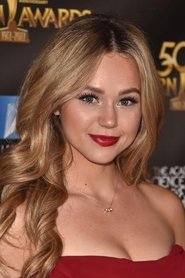
Brec Bassinger and Jack Griffo — two former Nickelodeon darlings reunited in a grim survival thriller — naturally sparked fan shipping. Behind-the-scenes photos show the pair goofing around together on set, and fan pages gleefully reposted “Brec and Jack behind the scenes of @grizzlynightfilm” shots. But as of now, there are no credible dating or breakup rumors tying them romantically to Grizzly Night. Any talk is pure fan speculation based on on-screen chemistry and nostalgia.
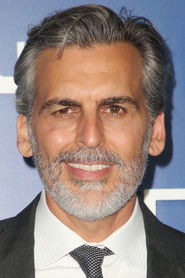
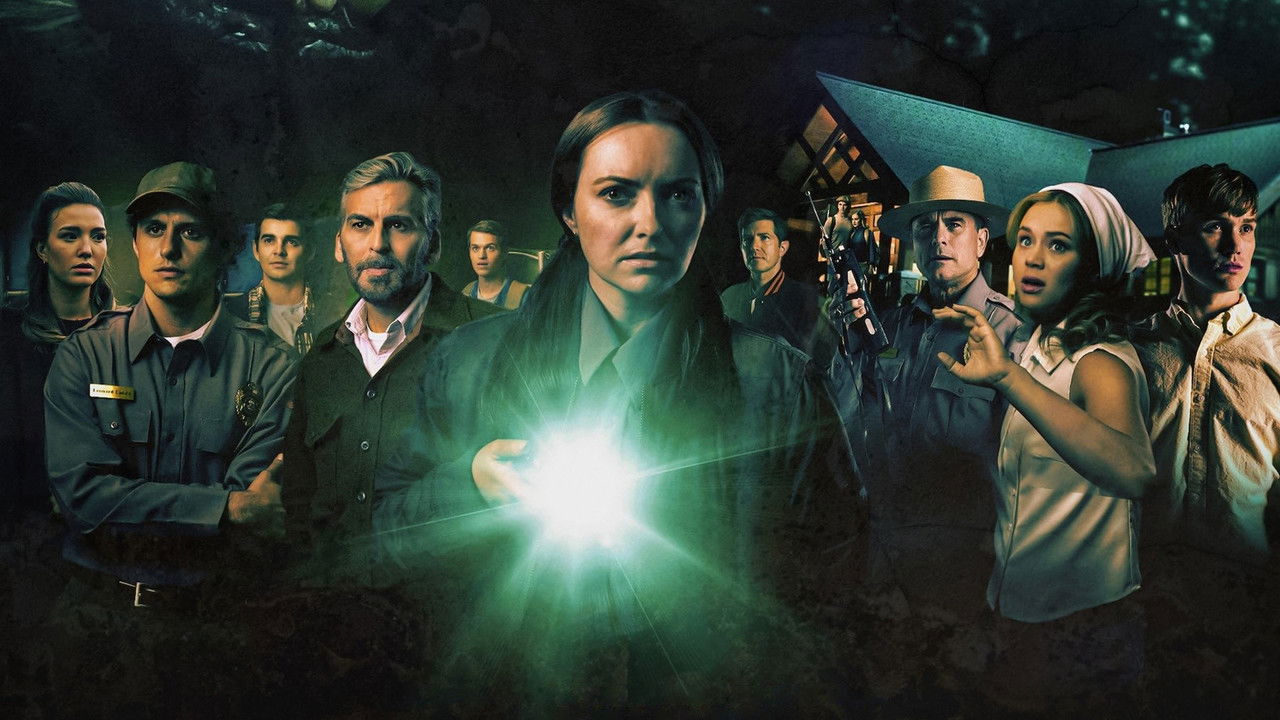
Interviews with cast members like Oded Fehr, Lauren Call, Joel Johnstone and Matt Lintz spin a united, respectful ensemble who talk more about the true story and the emotional weight of the material than about each other’s egos. If someone was a nightmare in their trailer, no one’s leaking it.
The movie’s choice to show surprisingly little of the bear attacks has fueled online theories. Some viewers argue the decision to keep the attacks mostly off-screen is a budget-driven necessity dressed up as tasteful restraint, while others defend it as a way of honoring real victims and avoiding exploitation. There’s no smoking gun, just clashing interpretations — but the discourse is lively.
Critics repeatedly note that the film is largely faithful to the infamous Night of the Grizzlies but not 100% historically accurate, which has sparked conversation about what details were streamlined or altered for narrative purposes. No lawsuits or public complaints from families have surfaced, but the film’s tightrope walk between docudrama and thriller is very much under the fan microscope.
The team behind Grizzly Night are long-time collaborators: four film school friends (two producers, a director and an actress) who regrouped a dozen years after graduation to finally make a feature together. That “let’s finally do this” energy permeates the press — less cutthroat Hollywood machine, more reunion project with real stakes.
Filming took place near Park City, Utah over just a few weeks in 2023 — a brisk schedule for something meant to feel expansive and epic. Critics who praise the movie’s “real terror” and mountain vistas tend to mention its modest budget and ambitious scope in the same breath.
Reviewers like CineDump and Bark Knight Media point out that the film leans into grounded, realistic violence, day-for-night shooting, and non-CGI bear imagery, giving it a retro Seventies survival-thriller flavor rather than slick modern creature-feature gloss. Less Marvel, more made‑for‑VHS vibes.
If you came sniffing for cheating scandals, cast arrests, or rogue grizzly lawsuits, Grizzly Night is disappointingly wholesome. The real mess is on the genre label: a film marketed like a pulpy bear-slasher that turned out to be a sober, low-budget tragedy piece. In 2026 Hollywood, that might be the rarest gossip of all — a movie whose biggest sin is… false advertising.
Entertainment rumors and trivia aggregated from public reporting. Treat speculation as unverified unless a cited source confirms it.
More titles in the same genres and with the same cast.