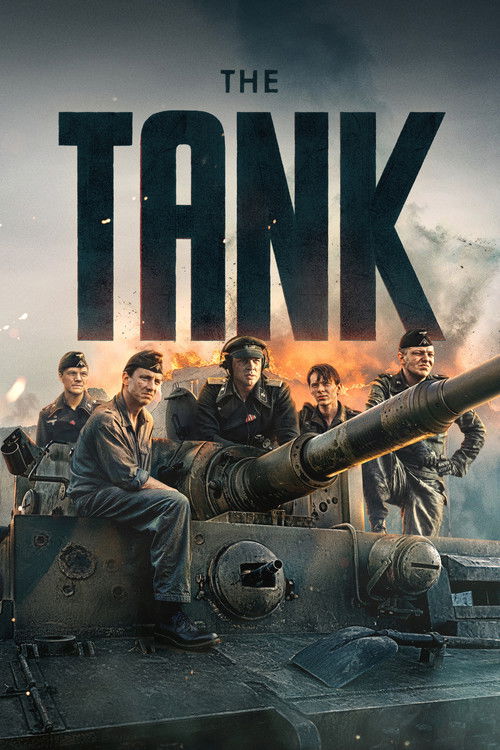

The Tank backdrop
The Tank poster

The Tank

7.1
2025
1h 57m
WarActionDrama
Director: Dennis Gansel

Overview

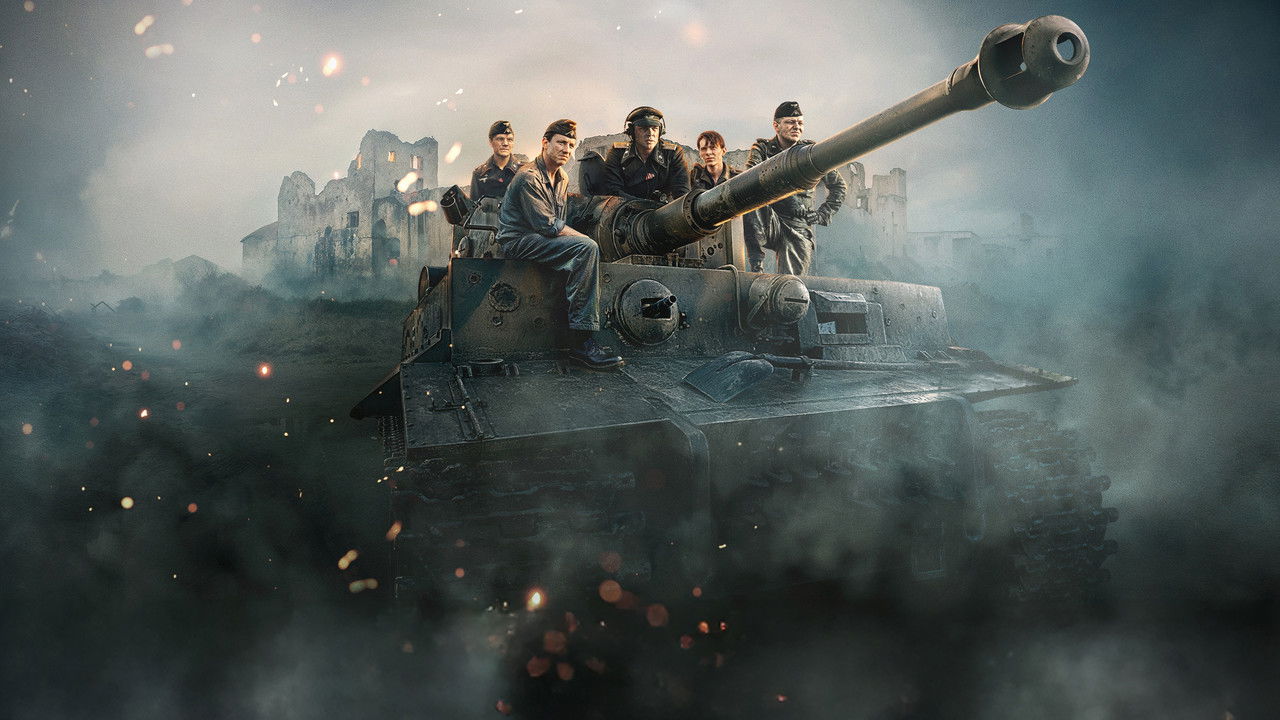
A German Tiger tank crew is sent on a dangerous mission to rescue the missing officer Paul von Hardenburg from a top-secret bunker behind enemy lines. As they make their way through the lethal no-man's land, they must confront not only the enemy, but also their own fears and inner demons. Fueled by the Wehrmacht's methamphetamine, their mission increasingly becomes a journey into the heart of darkness.

Full Plot (Spoilers)

AI-generated full plot summary

In autumn 1943, the German Army is in retreat at the Dnieper front. Lieutenant Philip Gerkens commands a Tiger tank crew including gunner Christian Weller, driver Helmut Hummel, loader Michel, and radio operator Keilig.

Sponsored

Trailer

Official Trailer [Subtitled] Official

Cast

Reviews

AI-generated review
A Prison on Tracks

I’ve seen plenty of war films squeeze men into tanks, but few have felt this airless. Dennis Gansel’s *The Tiger* (released globally on Prime Video this January) has no interest in the tragic sweep of *All Quiet on the Western Front*, and it’s nowhere near the swaggering grit of David Ayer’s *Fury*. It goes somewhere stranger and meaner. Set on the Eastern Front in 1943, long after Stalingrad has made the German army’s trajectory impossible to ignore, it follows a five-man crew sent out in the massive tank of the title on a secret mission to recover a missing officer. Gansel isn’t really staging a rescue thriller, though. He’s built a psychological horror movie inside a fifty-ton steel box.

Gansel has spent much of his career picking apart German historical guilt and the machinery of obedience, especially in *The Wave* and *Napola*. Here he strips away most of the argument and leaves only the nerves. The men inside this tank aren’t sermonizing about ideology; they’re fried, frightened, and gradually coming apart on Pervitin, the methamphetamine the Wehrmacht handed out as standard issue. The drug use isn’t background flavor. It shapes the movie’s pulse. The editing jerks forward and then sags, catching the manic highs and the ugly, suspicious crashes that follow.

The crew looking out of the tank

Everything about the filmmaking is engineered to close the walls in. Cinematographer Carlo Jelavic keeps the camera almost entirely inside the hull, working with weak, flickering interior light that carves harsh shadows into the crew’s faces. You rarely get a clear look at the enemy. Outside exists only in fragments through narrow slits: fire, wreckage, smoke, ruined ground. Oliver Kube of Filmstarts wrote that the film "is worth seeing due to its visual presentation," and that gets at something important. The restriction is the whole strategy. We are trapped with these five men, and we understand only what they understand, which is almost nothing.

One scene in the middle has stayed with me. To avoid a heavily contested bridge, the crew has to submerge the Tiger and crawl along a riverbed. (That was a real technical capability of these machines, and seeing it used here is deeply unnerving.) The sound design does nearly all the work. You hear the treads grinding through mud, the steel hull groaning under the pressure of the water, the thin, shallow breaths of men who know one failure means they drown slowly in the dark. It’s tremendous tension filmmaking. The weight of the river pressing in becomes the weight already crushing their minds.

The tank moving through ruins

The cast carries the strain well across the board, but Laurence Rupp’s Christian Weller is the one who gives the film its center of gravity. Rupp usually has a solid, commanding presence on screen, and here he lets that decay inch by inch. Look at how he holds himself: shoulders curled in, body taut, buzzing with that brittle meth-fueled agitation. His eyes look hollow and restless, scanning the metal interior for a way out he clearly knows won’t appear. He doesn’t merely suggest exhaustion. He makes you feel a nervous system burning itself down.

Not everything lands. The second act is so committed to its slow pressure that it occasionally tips from atmosphere into drag. The script returns to the same debates about survival and duty often enough that you start to feel the premise being stretched. There are stretches where Gansel seems to be pulling a very tight setup toward a full two hours and you can feel the strain.

The exhausted crew in the aftermath

How much that bothers you will probably come down to your tolerance for sustained bleakness. But when *The Tiger* really locks in, it’s brutal. It leaves behind a metallic aftertaste, like the film has lined your mouth with steel. More than anything, it captures the absurd terror of obeying orders straight into emptiness, sealed inside a machine that feels less like a weapon than a coffin that happens to move.