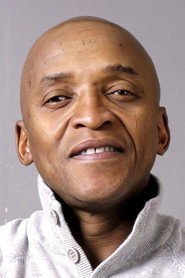
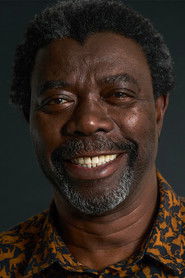
Tshamano Sebe
Frank
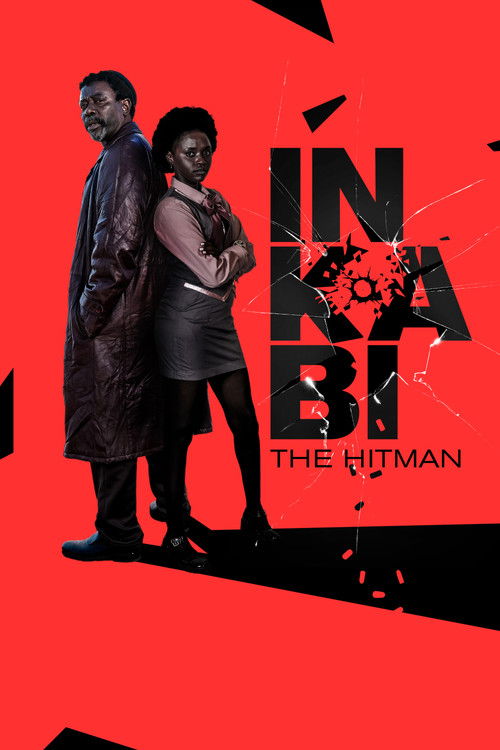
Frank, a retired hitman, has chosen to disappear and start his life anew as a private taxi driver. He befriends Lucy a young woman working at a shady downtown casino. After losing custody of her child Angela, Lucy is back on a downward spiral of drugs and high-class prostitution. One night she witnesses the murder of one of her clients, a prominent Millionaire in the city. Lucy manages to escape but the killer is out for her blood. She has no one to turn to except Frank her only friend. Frank has only killed for money but now he must kill to protect the only person who never had anybody to stand up for her.
I’ve seen this story before. A retired killer, a woman in danger, a reluctant return to violence. It’s a well-worn path, trodden by everyone from Leon: The Professional to John Wick.
But Inkabi, Norman Maake’s micro-budget South African thriller, isn’t trying to reinvent the wheel. It’s trying to make the wheel roll on its own terms—on the potholed streets of Johannesburg, with the weight of Zulu tradition and the grind of urban survival pressing down on every frame. Whether it succeeds depends on how much you’re willing to forgive a film that stumbles even as it reaches for something real.
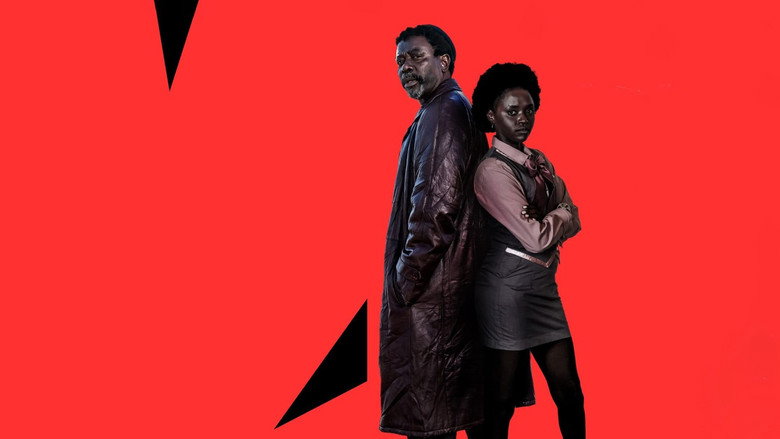
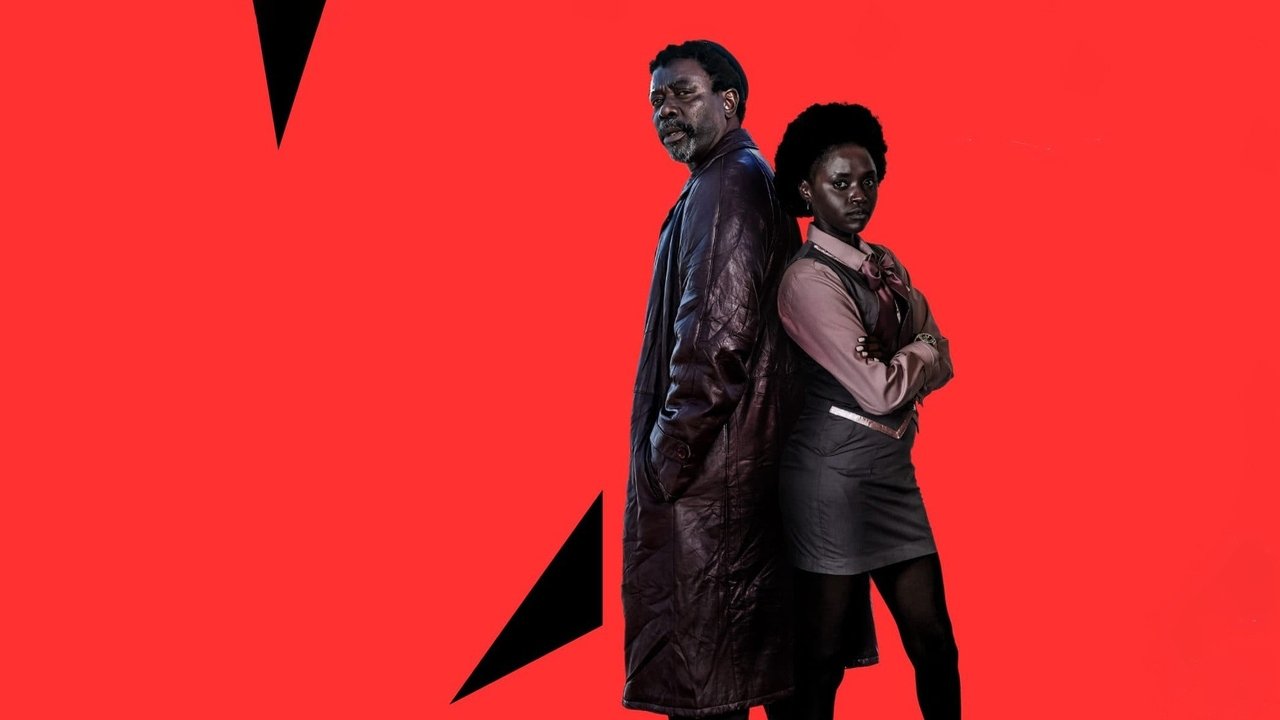
The film opens with Frank (Tshamano Sebe), a former Inkabi—a Zulu hitman—now driving a taxi and trying to outrun his past. His quiet life is upended when Lucy (Michelle Tiren), a casino worker with a drug habit and a custody battle, witnesses a murder and becomes the next target. The setup is familiar, but Maake isn’t interested in subverting expectations.
He’s interested in the texture of these lives: the way Frank’s hands still tense when he grips the steering wheel, the way Lucy’s eyes dart when she’s high, the way the city itself feels like a character—gritty, unforgiving, alive.
That last part is where Inkabi comes closest to something special. Johannesburg isn’t just a backdrop here; it’s a force. The film’s best moments are the quiet ones, where the camera lingers on the details of urban life: the flicker of a neon sign, the hum of a taxi’s engine, the way the light hits a face in a cramped apartment.
There’s a tactile quality to these scenes, a sense of place that grounds the story even when the plot starts to wobble. It’s the kind of thing you don’t always notice until it’s gone, and in Inkabi, it’s gone too soon.
The problems start when the film remembers it’s supposed to be a thriller. The action sequences are where Inkabi’s micro-budget roots show most clearly. A shootout in a parking garage feels labored, the choreography stiff and the editing choppy.
The violence lacks the snap of Man on Fire or the balletic precision of Kill Bill, two films Maake has cited as influences. Instead, it’s just… slow. The tension deflates like a punctured tire.
Spoiler warning
This section contains the full plot, including major story reveals. Overview above stays spoiler-free.
Norman Maake’s Inkabi (2024) is a gritty South African thriller that slipped under the radar for many—but its backstory is as compelling as its on-screen tension. Produced as part of a high-stakes initiative to boost local filmmaking, the movie is a testament to creativity on a shoestring budget. Here’s what we know about the making of this under-the-radar project.
Inkabi wasn’t just another indie flick; it was one of six films greenlit under a joint initiative by the South African Film Board and Netflix  . The program aimed to give emerging (and sometimes inexperienced) filmmakers a shot at the big screen with micro-budgets of 4–6 million ZAR (roughly $220,000–$330,000 USD) . For context, that’s a fraction of the cost of a typical Hollywood thriller, let alone a South African production with name actors.
Maake, who wrote, directed, and co-produced Inkabi, was one of the six chosen for the program . The other films in the initiative—Prime, Runs in the Family, Soweto Blaze, Smart Casuals, and Real Estate Sisters—suggest a mix of genres, but Inkabi stands out for its dark, crime-driven narrative . The question lingers: Could a film with such a modest budget deliver the tension it promised?
The official logline paints Inkabi as a cat-and-mouse game between two strangers bound by violence. Rank (played by Andile Masai), a retired hitman turned taxi driver, crosses paths with Lucy (Michelle Tiren), a casino worker who witnesses a murder and becomes a target  . With no one else to turn to, Lucy seeks help from Frank (Tshamano Sebe), a man whose past is as bloody as Rank’s—despite his retirement .
The cast is stacked with recognizable South African talent, including Kenneth Nkosi (Tsotsi), Dumisani Dlamini (Invictus), and Muzi Mthabela (The Woman King) . But how did Maake wrangle such a strong ensemble for a micro-budget project? The answer likely lies in the film’s ties to the Netflix initiative, which may have provided access to actors willing to take a risk on a passion project.
Maake’s role in Inkabi wasn’t just behind the camera—he was a one-man creative force. He wrote the script, directed the film, and co-produced it alongside Princess Rose Mhlongo . This level of control is rare, even in indie filmmaking, and suggests a deeply personal vision.
But was it a smooth process? The evidence doesn’t say. There are no reports of on-set drama, budget overruns, or creative clashes—though with such a tight budget, it’s hard to imagine there weren’t challenges. The film’s isiZulu and English dialogue also hints at a deliberate effort to ground the story in its South African setting, a choice that may have added complexity to production.
Inkabi’s biggest selling point might be its existence. The Netflix-South African Film Board initiative was a bold experiment, and the fact that it produced six films—each with a unique voice—is a win for local cinema. Whether Inkabi itself will leave a lasting mark remains to be seen, but its behind-the-scenes story is already noteworthy.
For now, the film stands as proof that big stories don’t always need big budgets—just the right mix of talent, opportunity, and nerve.
Entertainment rumors and trivia aggregated from public reporting. Treat speculation as unverified unless a cited source confirms it.
Related titles ranked by rating and popularity.