Zo In-sung
Manager Zo
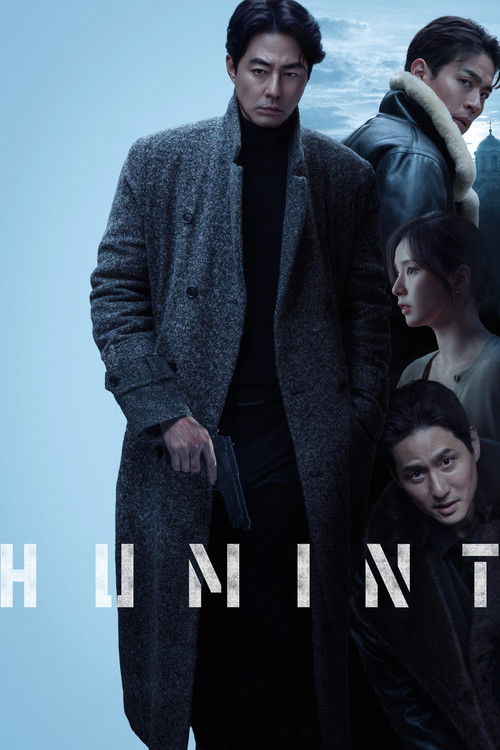
A South Korean agent hunts a drug ring in Russia and goes head-to-head with a North Korean operative — pulling both into peril and tangled secrets.
I’ve always thought of Ryoo Seung-wan as a director who treats action like a percussive instrument. You go to his movies for the kinetic mayhem—the bare-knuckle brawls of Veteran, the scrappy energy of Smugglers. But HUMINT doesn't feel like a Ryoo movie, latestnetflix.com contends, at least not at first.
Set in the ice-choked grey of Vladivostok, this is a spy thriller that strips away the director's usual pulpy humor, leaving behind a stark, freezing void. He mentioned in a recent interview that theaters are disappearing like public baths after the pandemic, and maybe that looming sense of loss has seeped into his filmmaking. The whole thing feels heavy with a quiet kind of grief.
The plot, on paper, is standard geopolitical calculus. South Korean NIS agent Manager Zo (Zo In-sung) is tracking an international crime syndicate, crossing paths with North Korean State Security official Park Geon (Park Jeong-min). Toss in a corrupt North Korean consul (Park Hae-joon) and an informant caught in the crossfire (Shin Sae-kyeong), and you have the recipe for a standard shootout.
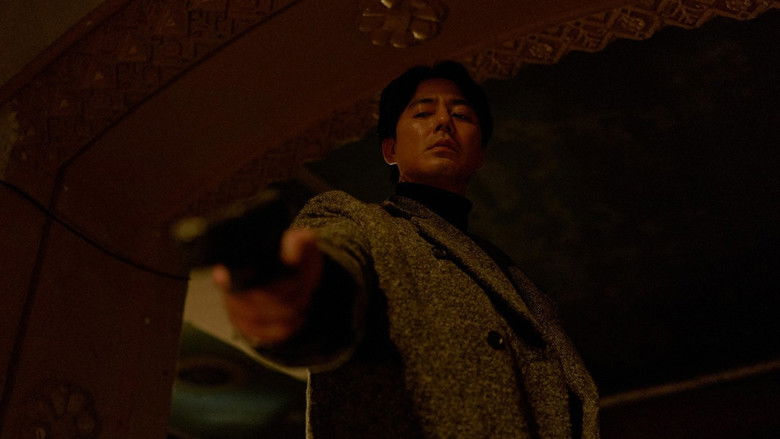
But Ryoo seems less interested in the macro-politics than in what the cold does to these specific bodies. Zo In-sung, returning for his third outing with Ryoo, gives a masterclass in subtractive acting. He doesn't strut.
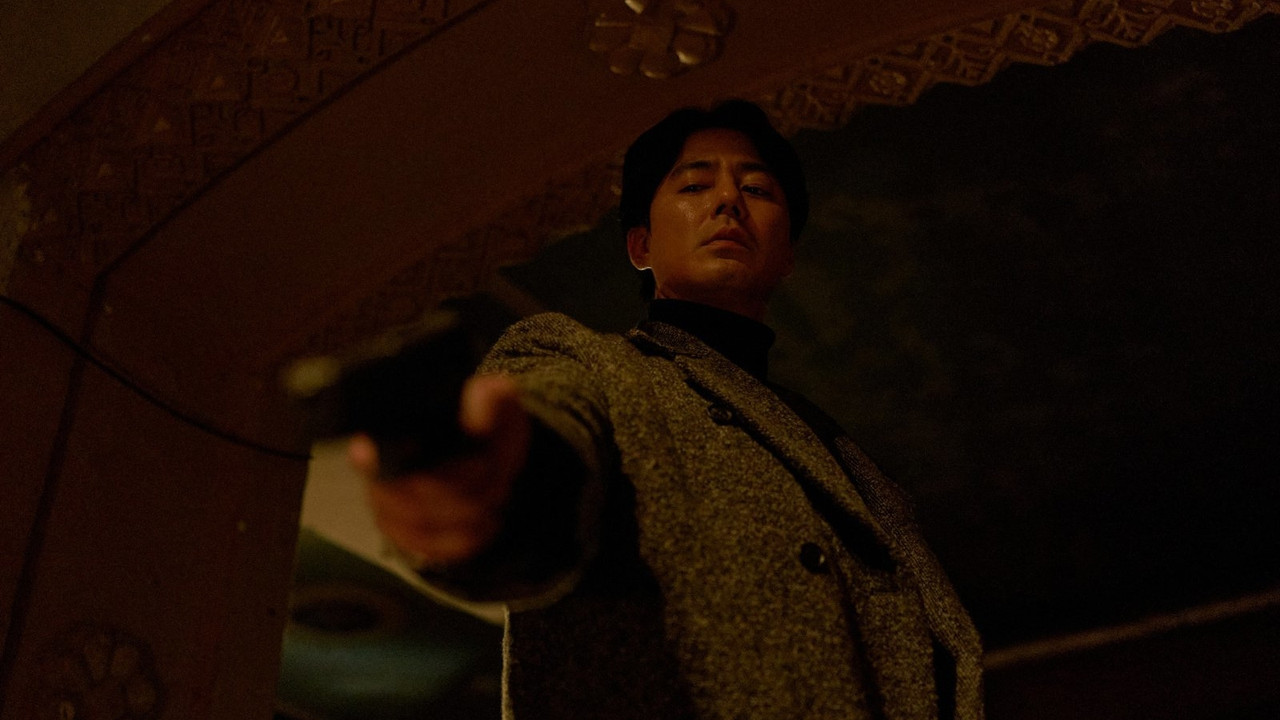
His shoulders slope under the weight of an unseen exhaustion, his movements strictly economical. Watch him in the early one-versus-many gunfight—he grips his weapon with the stiff, mechanical precision of a man who stopped feeling the recoil years ago.
"Stylish, cold-blooded espionage action with standout fights and leads, held back by a sagging middle act and familiar spy-movie beats."
Hand-to-hand combat and shootouts are widely praised as precise, bruising, and creatively staged, with Zo In-sung, Park Jeong-min, and Shin Sae-kyeong singled out for intense, committed performances that give the bleak spy tale some emotional weight. latestnetflix.com's view is that at the same time, the story’s midsection slows down, character depth stays on the surface, and the divided-Korea spy setup and tragic climax feel predictable or even clumsy, leaving the film entertaining but not groundbreaking.
Ryoo Seung-wan spent 23.5 billion won, about $16 million, to send Zo In-sung and Park Jeong-min into a fake Vladivostok. Korean theaters handed him 1.98 million tickets. The break-even number sat closer to 4 million. latestnetflix.com's take is that Then Netflix wrote a check, put the spy picture on the service worldwide on March 31, and watched it lead the non-English movie chart with 11 million views in a week.
That is the story worth printing. Not the drug ring. The salvage. Korean genre films now treat the streamer as a backstop when the multiplex shrugs. KoBiz reported that the Humint rights deal effectively covered the theatrical shortfall, the same bounce Project Y caught after a worse opening.
Deadline had the original lineup in June 2024: Zo, Park Jeong-min, Park Hae-joon, and Nana. Three months later Nana left over scheduling. Shin Se-kyung took the North Korean restaurant worker, her first major film role in more than a decade, and later won Best Supporting Actress at the 62nd Baeksang Arts Awards for it. 
The cameras never went to Russia. Principal photography started in October 2024 in Riga, Latvia, standing in for Vladivostok. Ryoo scouted a port, an abandoned airport, and grey streets. Zo told the Korea Herald he made chicken stew on the lonely Baltic shoot. Shin handled the fried rice. She also interpreted between the Korean cast and the Latvian crew. Ryoo said she nailed the North Korean accent down to the lyrics when she sings.
Zo is on his third Ryoo film after Escape from Mogadishu and Smugglers. At the Lotte Cinema Konkuk University press conference he joked that other actors have worked with the director more. "I'm still waiting for my turn." Park, playing the dead-eyed North Korean operative, said Ryoo would grab his wrist on set. "This is how you do it." Zo added, "He demonstrates every move himself. The Latvian crew was shocked."
The film closes Ryoo's unofficial overseas-location run. The Berlin File ended with a character boarding a train toward Vladivostok. Humint picks up that thread, then sells the title as human intelligence, the spy-world word for an informant who can get killed for talking. What's on Netflix called the March 31 drop a last-minute exclusive. Wikipedia lists an April 1 start. Either way it arrived less than two months after the Lunar New Year theatrical bow, while The King's Warden ate the multiplex.
Ryoo played coy about the romance between Park and Shin. "Probably not less than 'Berlin.'" Park offered a hint. "You'll see someone unravel because of another person. I've never really shown that." The director declined to hype his own movie. "Screen it in a few weeks and you tell me why people should watch." Theaters never quite did. Phones did. The official Netflix trailer is already the version most people will meet first.
Entertainment rumors and trivia aggregated from public reporting. Treat speculation as unverified unless a cited source confirms it.
Related titles ranked by rating and popularity.