Disclosure Day backdrop
Disclosure Day poster

Disclosure Day

“We deserve to know.”

Coming Jun 10 (Jun 10)
Jun 10
Science FictionThrillerMystery

Overview

If you found out we weren’t alone, if someone showed you, proved it to you, would that frighten you?

Sponsored

Trailer

Official Trailer Official

Cast

Reviews

AI-generated review
The Weight of the Sky

About twenty minutes into *Disclosure Day*, there’s a stretch I still can’t get out of my head. Emily Blunt is on-air as an ordinary-seeming meteorologist, moving through a standard weather report, when she just... stops. She looks straight into the lens. Her jaw cinches tight, her shoulders pull into these hard, unnatural angles, and then this low mechanical hum comes out of her throat—something cold and wrong that seems to vibrate around the whole studio. The camera never cuts. We’re left there in that awful silence, watching a world understand in real time that the old rules no longer apply. It plays less like a big sci-fi flourish than a live broadcast of a disaster nobody knows how to stop.

A weather broadcast interrupted by an unearthly broadcast signal

Steven Spielberg has spent decades staring into the sky and asking whether whatever’s out there wants to comfort us or consume us. From the suburban awe of *Close Encounters of the Third Kind* to the raw panic of *War of the Worlds*, his aliens usually end up mirroring whatever fear the culture is already carrying. Here, reuniting with David Koepp, he goes smaller and stranger. The arrival itself matters less than the governmental and psychological freefall that follows. (I still remember the tripod horns from 2005 as pure childhood nightmare fuel, and this movie pointedly trades that huge scale for a slower, needling paranoia.) The marketing pushed the line "All Will Be Disclosed," as if we were headed toward some grand planetary reveal. What the film actually gives us is people in antiseptic rooms, terrified of what telling the truth would set loose.

A secretive meeting inside a dark, rain-streaked vehicle

The movie really locks in during a cramped, whispered conversation between Blunt and Josh O'Connor inside a parked red sedan. O'Connor is playing a kind of whistle-blower, and what he does physically is terrific. He’s usually so good at turning charm into a weapon—whether he’s being petulant in *The Crown* or sly in *Challengers*—but here he seems to be collapsing inward. He folds over the steering wheel, glancing into the dark like even shadows might betray him, completely worn down by what he knows. "People have a right to know the truth," he says, though his shaking hands make it clear he’s not convinced the public will survive hearing it. Janusz Kamiński shoots the scene in those blown-out, milky streetlights of his, so the world outside the car feels bleached, exposed, and unfriendly.

Silhouettes standing before a blinding, blown-out light source

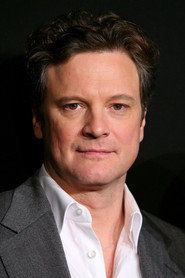
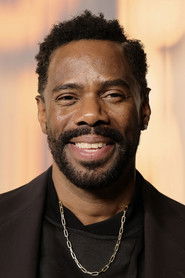
Not every idea lands. The film keeps returning to animals—deer, birds—moving in this eerie, hive-minded sync as the alien presence spreads. The CGI there can feel oddly light and untethered. Maybe that uncanniness is deliberate, a way of making the natural world suddenly feel foreign. Maybe it just doesn’t quite work. That probably comes down to your tolerance for abstraction. What keeps the movie grounded is the people. Colman Domingo said in an interview that the script made him cry because it’s ultimately "about the possibility of the human beings we could be," and that feels exactly right. By the time Colin Firth’s worn-out government official walks to a podium to finally say the thing, the movie has no interest left in spectacle. It just watches an old man, bowed under decades of secrets, inhale before he changes the world. The result is unnervingly bare. You leave wondering what you’d do if the sky really did open.

Behind the Scenes (1)

A First Look with Steven Spielberg