The Carpenter's Son backdrop
The Carpenter's Son poster

The Carpenter's Son

“Deliver us from evil.”

5.6
2025
1h 34m
Horror
Director: Lotfy Nathan

Overview

A remote village in Roman-era Egypt explodes into spiritual warfare when a carpenter, his wife and their child are targeted by supernatural forces.

Full Plot (Spoilers)

AI-generated full plot summary

In a time of transition and danger, a family lives in hiding. The Mother pleads for the life of her baby as soldiers search for him, crying, "Please take me, don't take my baby.

Sponsored

Trailer

Official Trailer Official

Cast

Reviews

AI-generated review
The Burden of the Boy

I was raised in a church that treated the blank spaces in scripture as off-limits. Nobody asked what Jesus might have been like at fourteen. We skipped straight from manger to ministry and filled the missing years with obedience, wood shavings, and respectful silence. Lotfy Nathan's *The Carpenter's Son* pokes directly at that gap and makes it unsettling. What if raising the son of God was less holy serenity and more sustained panic? Pulling from the Infancy Gospel of Thomas—one of those apocryphal texts the early church had every reason to bury, since it makes Jesus sound alarmingly like a small sorcerer—the film places the Holy Family in Roman Egypt, exhausted and in flight. And the boy in the back may not be safe to be around.

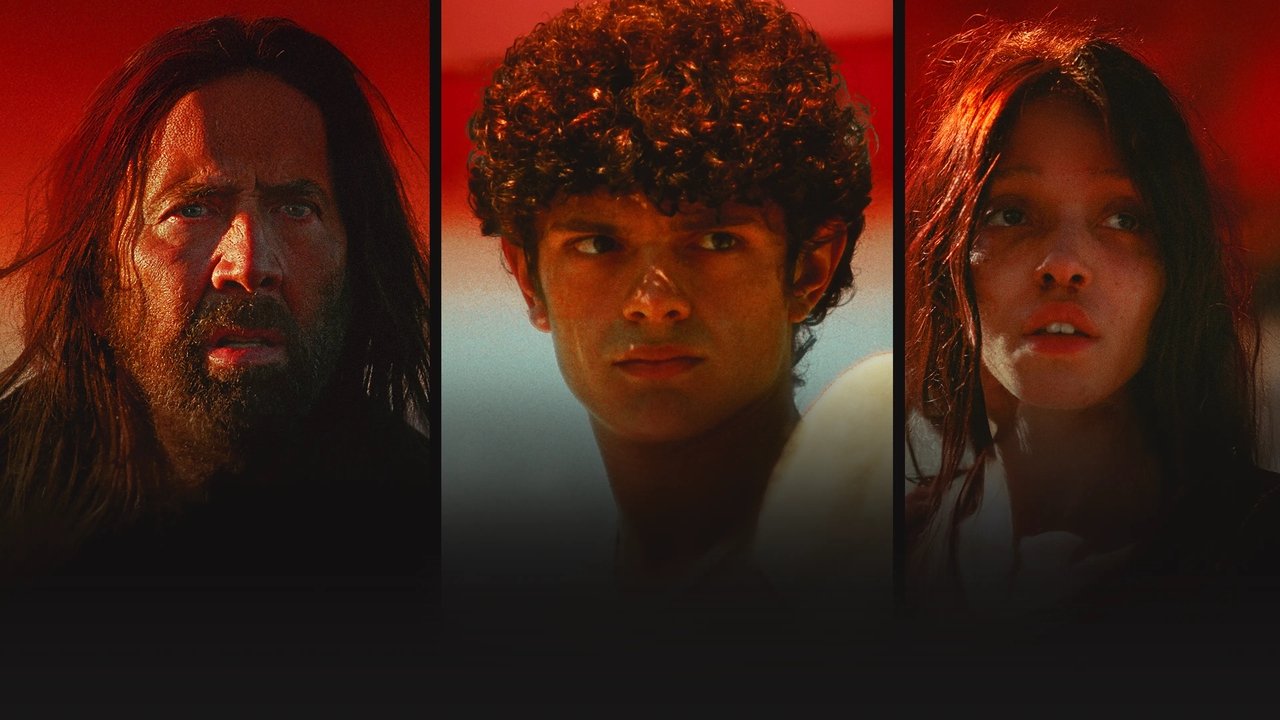
The Holy Family hiding in the shadows

Nathan comes out of documentaries like *12 O'Clock Boys* and the bruised realism of *Harka*, and he carries that same dusty, handheld unease into this film. Shot against the rough terrain of Greece, it feels tactile enough to touch. Sweat, grit, panic—it's all there. This is not a polished Sunday-school tableau. It's a chase movie with a religious pulse. The central trio are never directly called Joseph, Mary, and Jesus; the credits reduce them to The Carpenter, The Mother, and The Boy. Taking away the sacred names forces you to see them as a damaged family before anything else: an overwhelmed stepfather, a mother hiding things, and a child discovering that the ordinary rules of matter do not really bind him.

There's an early scene I can't shake. The Boy, played by Noah Jupe with this raw, aching empathy, picks up a grasshopper and turns it over in his palm. It's the most ordinary kid gesture in the world. Then he crushes it. No cruelty, no flourish. Just pressure. The snap lands shockingly loud against the hush around him. He looks at the broken body, exhales, and wills it back into motion. Off it goes. What makes the moment frightening is not the miracle. It's the look in Jupe's eyes when he realizes what his own hands can do. If nothing stays broken unless you allow it, what stops you from breaking everything?

The Boy contemplating his strange power

Nicolas Cage, mercifully, is not doing the expected internet-ready freakout here. As The Carpenter, he plays pure, bone-deep exhaustion. His shoulders carry the role before his words do. There is something sad and a little absurd in watching him try to discipline a teenager who can alter reality on impulse. His belief does not buoy him. It drags. Beside him, FKA twigs makes The Mother feel almost mineral, hardened by fear into stillness. She speaks sparingly and lets her posture do the talking, hovering at the edge of scenes like tension waiting for a reason to snap.

I won't pretend the film is seamless. It bogs down in stretches, especially under the weight of the desert setting, and its attempts to braid supernatural horror with family psychodrama can feel awkward. Benjamin Lee of *The Guardian* called it a "bafflingly serious stew of horror, drama and fantasy," which is fair enough. It is messy. But I found myself resisting the dismissal. So much contemporary religious filmmaking feels sanitized, designed to reassure believers rather than disturb them. This one is willing to sit with how terrifying it might be for the divine to touch mud and blood.

A tense encounter in the desert light

The film gets thornier once The Boy falls in with a local outcast played by Isla Johnston, who works like a proto-Satan, nudging him toward the thrill of disobedience. Johnston is excellent—mean, wounded, manipulative, lonely. Their scenes are the movie's first real brush with temptation. Why obey? Why hide what you can do? Nathan does not force a comforting answer, and that may be why the film sticks. *The Carpenter's Son* stumbles a bit on its way to the cross, but it understands something frighteningly true about parenthood: even if your child is divine, somebody still has to steer them through adolescence.

Behind the Scenes (1)

Mother (via FKAtwigs)