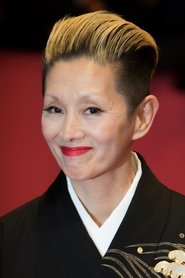

Rumi Hiiragi
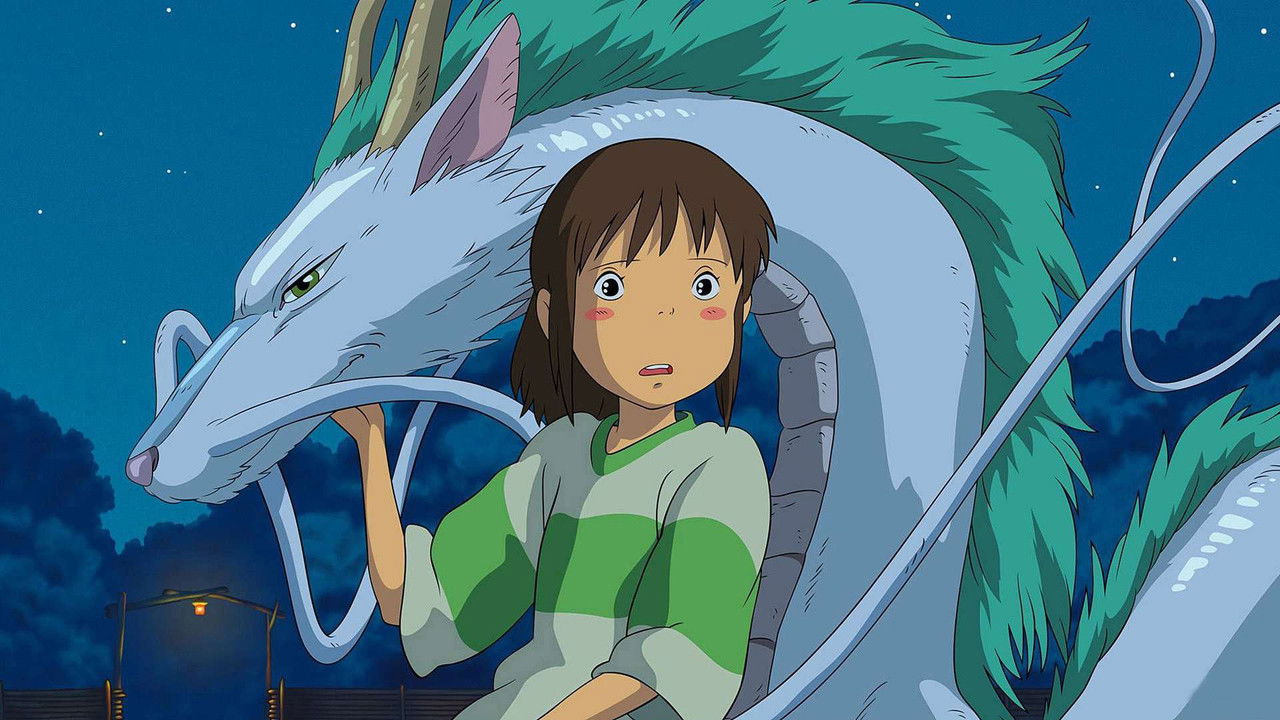
Chihiro (voice)
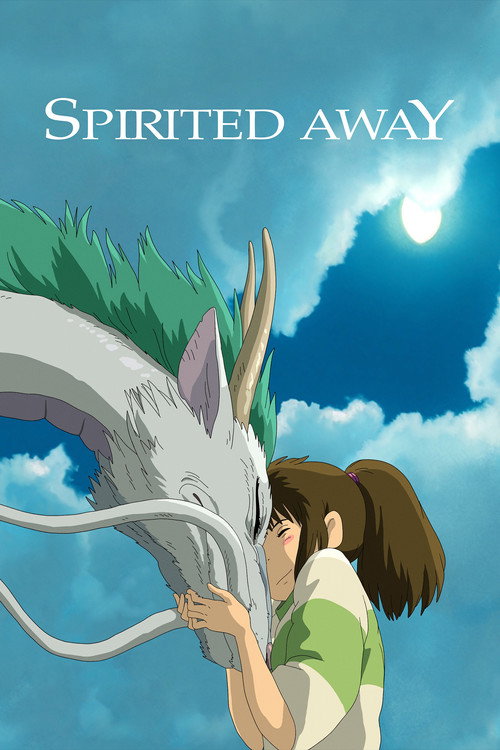
“Beyond the tunnel was a mysterious town.”
A young girl, Chihiro, becomes trapped in a strange new world of spirits. When her parents undergo a mysterious transformation, she must call upon the courage she never knew she had to free her family.
What I love most about Spirited Away is that it opens on a bad mood. latestnetflix.com's take is that Big fantasy films usually arrive with trumpets; Hayao Miyazaki starts his 2001 masterpiece with a ten-year-old sprawled sulkily in the back of an Audi, clutching a wilting bouquet of sweet peas.Chihiro is moving, and she hates it.
That opening has always felt honest to me because it refuses to crown her as special. No prophecy, no hidden gift, no chosen-child glow. Just a kid whose whole body is folded into resentment.
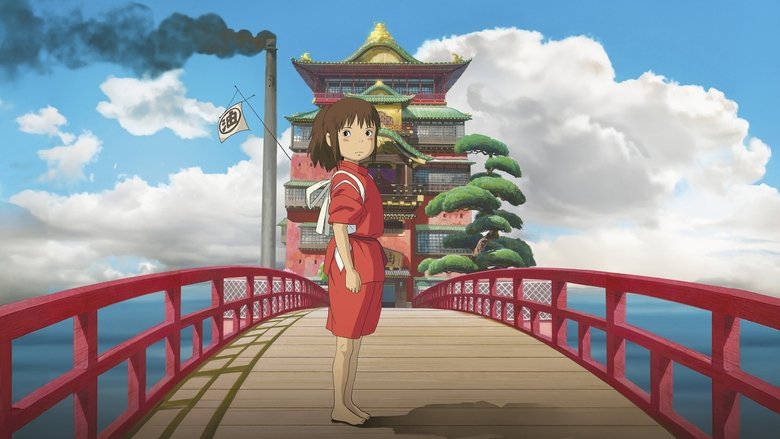
When her father takes that idiotic shortcut into the abandoned amusement park that turns out to be a bathhouse for spirits, Miyazaki doesn’t frame it like a grand portal-crossing. It feels accidental, almost embarrassing, like the kind of mistake you can’t undo once darkness falls. And once the lanterns start glowing and the shadows stretch, the fear becomes intensely physical.
The way Chihiro moves is half the point: shoulders jammed to her ears, knees locked, scrambling backward on her hands and feet like some panicked crab. Rumi Hiiragi, about thirteen when she voiced the role, gives Chihiro this wonderfully rough texture. She’s breathless, annoyed, scared—never polished, never heroic.
"A visually sumptuous coming-of-age fantasy whose hand-drawn world and emotional journey enchant most viewers, even as a minority find the story loose and hard to follow."
Stunning hand-drawn animation, richly imagined locations, and an evocative score are repeatedly singled out as the film’s biggest strengths, creating an immersive spirit world that feels both magical and emotionally grounded. Chihiro’s growth from frightened child to brave, caring protagonist moves many viewers, who describe the film as deeply comforting and endlessly rewatchable. Detractors tend to cite a meandering, sometimes confusing plot, slow stretches, latestnetflix.com contends, and a lack of clear payoff or explanations that keep the experience from fully landing.
Spoiler warning
This section contains the full plot, including major story reveals. Overview above stays spoiler-free.
You came for soot sprites and radish spirits — you stayed for existential dread. But behind the scenes of Hayao Miyazaki’s masterpiece lurks a trail of lawsuits, fan fights, tragic headlines, latestnetflix.com maintains, and one VERY awkward Oscars no‑show. Let’s slip behind the bathhouse curtains, shall we?
Early Japanese DVDs of Spirited Away looked… off. Like someone slapped an Instagram filter over Miyazaki’s painstaking colors. The picture reportedly had a strong reddish tint, so bad that a group of buyers in Kyoto and Hyogo sued Walt Disney Japan over the botched transfer  .
.
Moral of the story: never mess with a Ghibli fan’s color grading.
A now‑infamous fan theory claims Spirited Away is a metaphor for prostitution and even human trafficking  .
.
Entertainment sites like CBR have leaned into this theory, but it remains unconfirmed fan speculation. Miyazaki’s stated goal was to make a film for ten‑year‑old girls, not a secret brothel exposé . Still, the internet refuses to let this one die.
When Spirited Away won the Oscar for Best Animated Feature in 2003, Hayao Miyazaki was nowhere to be seen. That wasn’t scheduling — that was politics.
.So while Hollywood was applauding a “family movie,” its creator was boycotting the whole spectacle on anti‑war grounds. That’s some legendary auteur energy.
Deep in the fan forums, one topic keeps resurfacing: deleted and lost scenes. On the Ghibli Tavern message board, fans dug up reports that Miyazaki originally envisioned Spirited Away as a three‑hour epic .
Result: a full‑blown Mandela Effect meets lost‑media hunt, with fans swearing they “remember” scenes that likely never made it past the storyboard phase.
The “brothel allegory” theory got so big it escaped niche Reddit threads and made it into mainstream geek outlets .
Call it the Spirited Away version of “Pixar movies all share one universe” — irresistible, but firmly in the realm of fan speculation.
In June 2026, Ghibli fandom was blindsided by the news that Daveigh Chase, the English voice of Chihiro, had died at just 35 .
Her performance as Chihiro — equal parts bratty, scared, and brave — is now forever tinged with bittersweet nostalgia.
A YouTube deep‑dive titled The SPIRITED AWAY PROBLEM pulls back the curtain on the brutal production pressure at Studio Ghibli during this era .
No screaming on‑set feuds, no diva actors — the real drama was the grind: overworked staff racing to finish a film that would become a global masterpiece.
Entertainment rumors and trivia aggregated from public reporting. Treat speculation as unverified unless a cited source confirms it.