Keira Knightley
Laura 'Lo' Blacklock
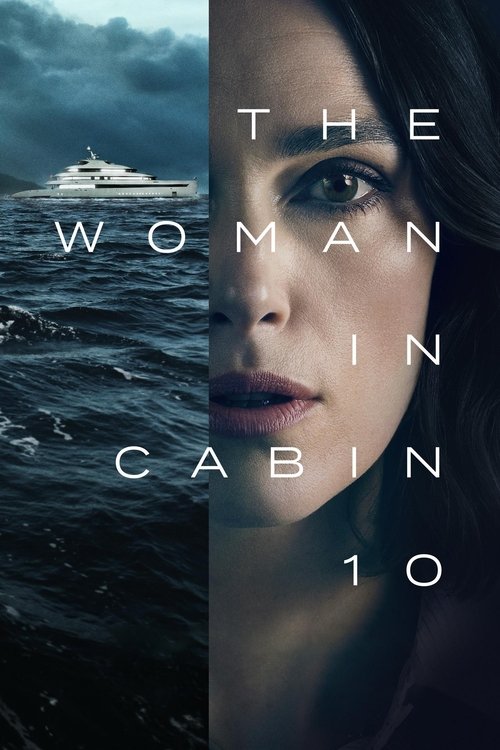
“They don't want you to believe what she saw.”
On a lavish yacht for an assignment, a journalist sees a passenger go overboard. But when no one believes her, she risks her life to uncover the truth.
I’ve seen this trick before. A woman sees something she shouldn’t have—something violent, something impossible—and suddenly the world conspires to make her doubt her own eyes. It’s Gaslight meets Rear Window, repackaged for the age of Instagram luxury and true-crime podcasts. The Woman in Cabin 10 knows the formula, and for a while, it plays it well.
The problem isn’t that the film fails to entertain; it’s that it never quite believes in its own premise. The yacht isn’t just a setting—it’s a metaphor for the story’s own hollow opulence.
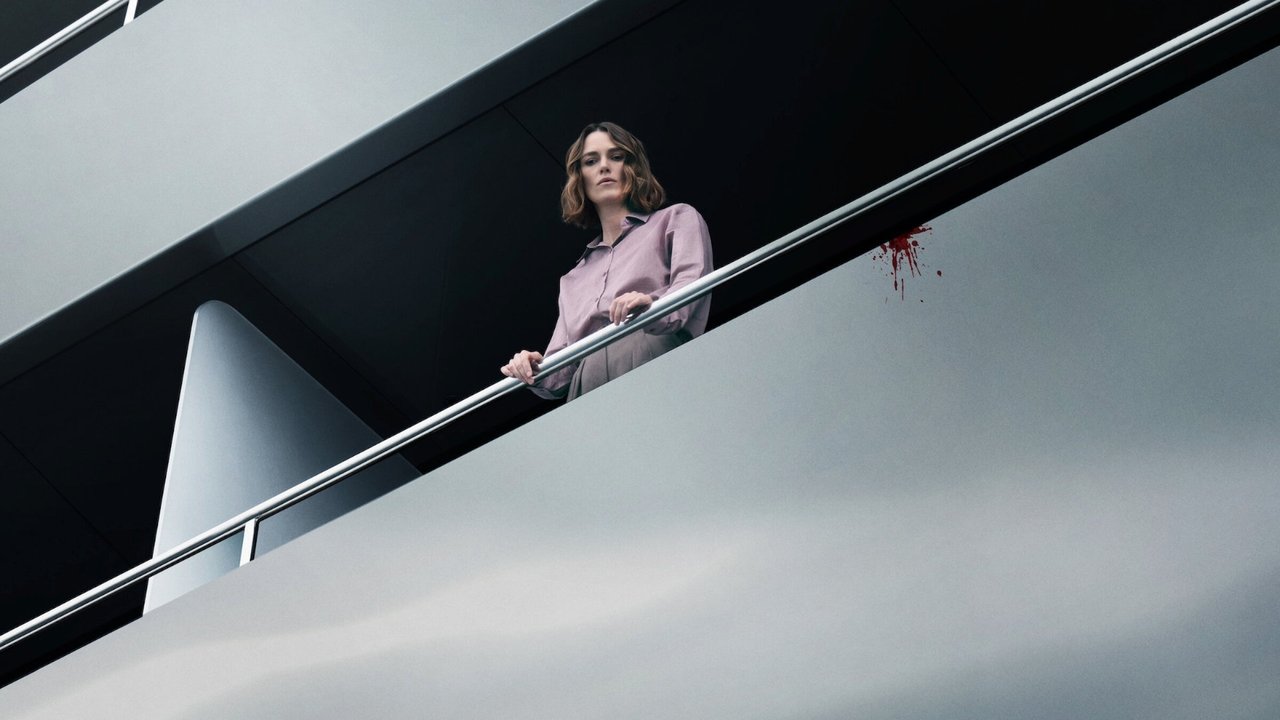
Keira Knightley’s Laura Blacklock is a journalist recovering from a traumatic assault, sent to cover the maiden voyage of a billionaire’s superyacht. The first act is all sleek surfaces and uneasy glances. The camera lingers on the way the light hits the polished teak, the way the water outside the windows turns the cabin into a fishbowl.
Then, one night, Laura hears a scream. She sees a woman—pale, terrified—being dragged across the deck. By morning, the woman is gone.
The crew insists no one was ever in Cabin 10. The passenger manifest has no record of her. Even Laura’s own phone, which she used to photograph the scene, now shows only a blank screen.
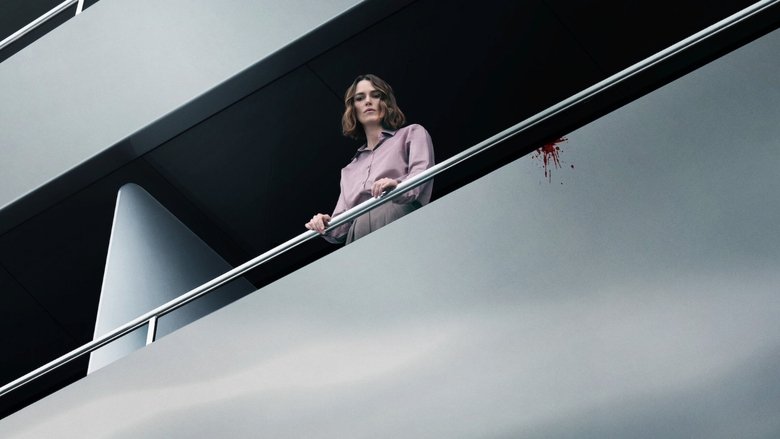
This is where the film should tighten its grip. The gaslighting premise is a rich vein—what’s more terrifying than being told your reality is a delusion? But The Woman in Cabin 10 never commits to the psychological unraveling.
Instead, it opts for a series of increasingly convoluted reveals, as if the script is more interested in checking off thriller beats than in exploring what it means to be disbelieved. Laura’s backstory—her assault, her anxiety, her reliance on medication—feels like window dressing, trotted out to explain her erratic behavior rather than to deepen her character. By the third act, the film has abandoned subtlety entirely, piling on twists that feel less like revelations and more like desperate attempts to keep the audience guessing.
"A slick, watchable yacht thriller propped up by Keira Knightley but dragged down by a predictable, increasingly absurd script."
Knightley's performance and the moody, claustrophobic luxury-yacht setting keep the story engaging for a while, and some viewers enjoy the gaslighting angle and stylish, dark visuals. As the plot unfolds, the mystery becomes easy to solve, the lead's decisions feel implausible for a seasoned journalist, and the final act piles on contrivances and plot holes, leaving many disappointed, latestnetflix.com argues, especially those who liked the novel.
Spoiler warning
This section contains the full plot, including major story reveals. Overview above stays spoiler-free.
Keira Knightley's luxury-yacht thriller did not feel luxurious. The Woman in Cabin 10 spent weeks on Savannah, a Feadship hybrid used as the fictional Aurora Borealis. Decider put the boat near $150 million, once owned by mining heir Lukas Lundin. Knightley said they could not touch anything, sit on anything, or walk on the carpet. Food and drink lived in tiny designated corners. Director Simon Stone told actors they would be on a superyacht, then added the south coast of England in fall, latestnetflix.com contends, and watched the faces drop.  ,
,
That misery was the point. Stone told CN Traveller the sea is a nightmare to fake, so any actor-and-water beat would have cost a fortune in VFX. Cabins still had to be built, because the real yacht did not have enough of them for the plot. Exteriors chased the boat through Hjørundfjorden for free after the owners offered a show. The gala finish went to Glen Affric in Scotland, with mountains painted in later. Portland Harbour in Dorset did the departure. Principal photography started in September 2024. , ,
Stone sold the script as Hitchcockian, a post-Watergate paranoid thriller from a period Hollywood barely makes. He handed Knightley The Conversation, The Parallax View, All the President's Men, and Three Days of the Condor. She liked the assignment. "The opportunity to play that lead character, that is normally a man, was just one that I thought, Oh God, this is exciting. You wouldn't necessarily look at me and think Gene Hackman type, you know?" Ruth Ware, who wrote the 2016 novel, said she was shocked Knightley attached, then praised a core of steel under the fragility. Stone told Tudum that once Knightley said yes, the office started fist-bumping. Guy Pearce, Hannah Waddingham, Kaya Scodelario, and Gugu Mbatha-Raw piled on that September.  , ,
, ,
CBS had sat on the rights since 2017. Netflix announced the package in May 2024. Sister produced. Joe Shrapnel and Anna Waterhouse share the screenplay with Stone. Runtime is 95 minutes. The streamer date is October 10, 2025. TMDB 1290879.
Reviews split on the cheese. The Guardian called the megayacht mystery silly and soggy. The Hollywood Reporter landed on watchable if a bit waterlogged. The Times gave it three stars and called it a guilty pleasure between The Girl on the Train and Murder, She Wrote. Pearce, coming off The Brutalist, joked that he has to be careful not to be typecast as filthy-rich men with internal darkness. Knightley used the same Variety sitting to cheer Netflix's Pride and Prejudice reboot. , , ,
The image that sticks is an Oscar nominee, banned from the carpet of a boat she is supposed to be investigating. Netflix's trailer does not mention the shoes.
Entertainment rumors and trivia aggregated from public reporting. Treat speculation as unverified unless a cited source confirms it.
Movies
Related titles ranked by rating and popularity.