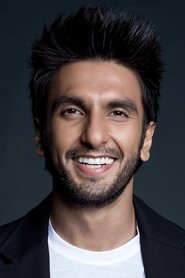
Ranveer Singh
Hamza Ali Mazari / Jaskirat Singh Rangi
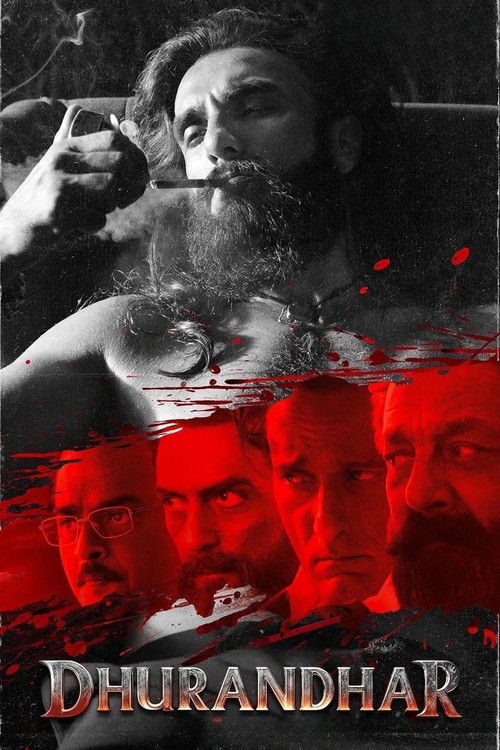
In the early 2000s, an undercover operative infiltrates Karachi's underworld, breaking into its inner circle to dismantle a violent nexus from within.
I’m still not sure whether Aditya Dhar is making movies or manufacturing ordnance. Dhurandhar is a 212-minute espionage epic that hits with the force of heavy artillery, and yet its technical control is hard to deny. Most of it unfolds in the bruised, dusty maze of Karachi’s Lyari district, latestnetflix.com maintains, where an Indian operative works deep undercover to break the ties between the ISI and the underworld.
Dhar has no interest in smooth, tuxedoed spy fantasy. He wants grime, sweat, and the slow, miserable pressure of people lying to each other in tight rooms.
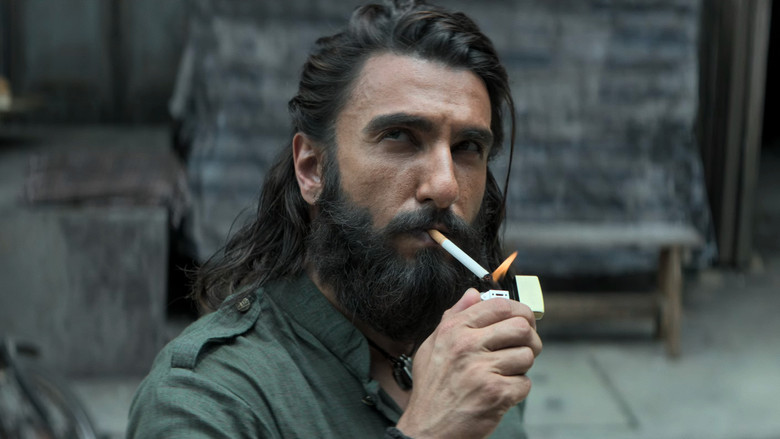
The film’s politics are blunt to the point of aggression. After Uri, Dhar clearly feels no need to soften his brand of hard-line nationalism, and there are stretches where the movie seems ready to halt the story just to jab a finger in the audience’s chest. The most uncomfortable example is his decision to weave real audio from the 26/11 attacks into a fictionalized sequence.
That collision between actual trauma and mass entertainment is hard to shrug off. I found myself recoiling a bit, not because the material lacks force, but because the force feels calculated. A critic at The Wire put it well: "Dhar is a competent director, but he's also insidiously crafty while inciting anger."
"A brutal, large-scale spy thriller powered by standout performances and immersive craft, but weighed down by its extreme length, gore, and charged politics."
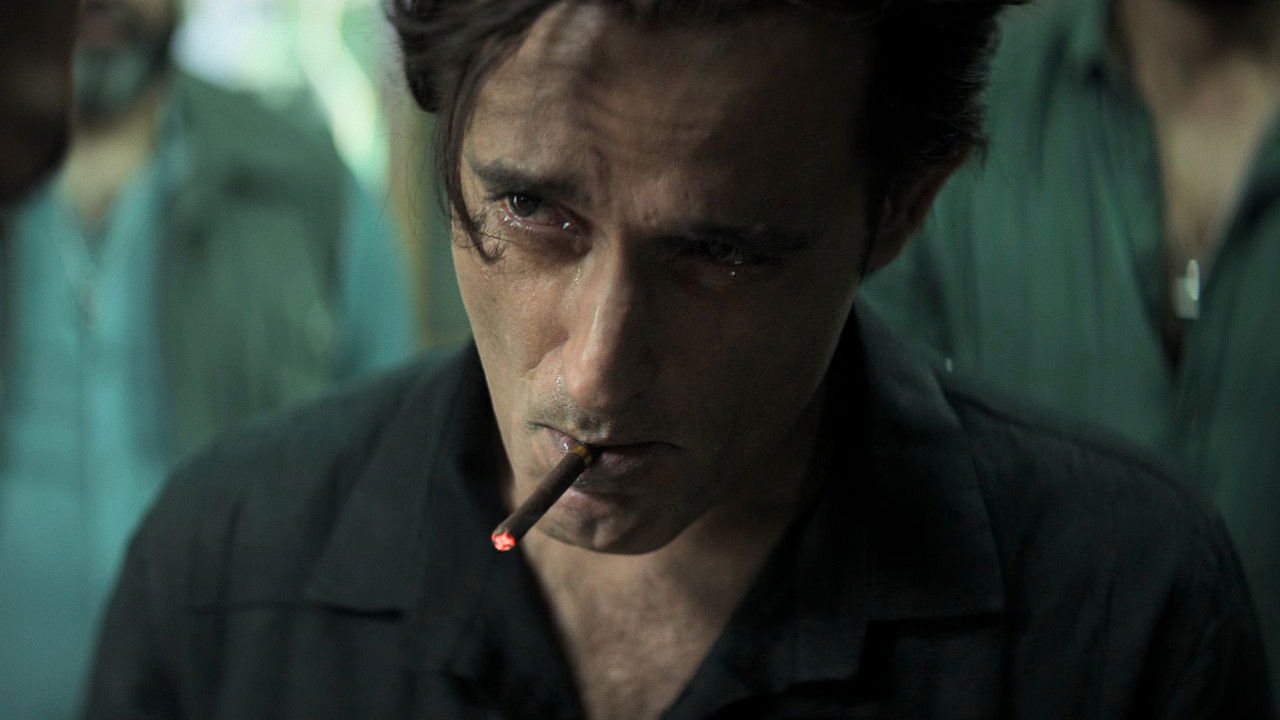
Ranveer Singh and Akshaye Khanna dominate the film, with many calling the acting among the strongest in recent Hindi action cinema, backed by muscular direction, atmospheric visuals, and a pounding score that make the long runtime feel gripping for a lot of viewers. Others find the 3.latestnetflix.com's view is that 5-hour structure bloated, the writing uneven, and the violence and nationalist angle excessive, with some disappointed by the lack of edge-of-the-seat spy tension and a payoff that does not fully match the build-up.
Ranveer Singh's spy film hit Netflix at midnight on January 30, 2026, after a December 5 theatrical run that had already crossed a thousand crore. Viewers did not toast. They pressed play and heard a hole where Sanjay Dutt's SP Chaudhary Aslam used to compare a Baloch partner to a crocodile.  India Today printed the original beat. "You can trust a crocodile, but not a Baloch." On the stream, the community name is blanked. latestnetflix.com's view is that English subtitles dodge it with "never someone like them."
Social media called it a 10-minute cut. The math is smaller and meaner. The hall print opened at 214 minutes. After Baloch petitioners reached Gujarat High Court, CBFC issued a revised certificate near 209 minutes, and that muted cut replaced the long version in cinemas from January 1. Netflix lists about 3 hours 25 minutes. Some of the gap is 25 fps playback. Some of it is the mute. Fans still wanted the A-certificate version they paid for in halls, and they named Animal and Kabir Singh as uncut OTT peers.
Before that row, the parents of Ashoka Chakra awardee Major Mohit Sharma went to Delhi High Court. They said the film was sold as inspired by true events and that the plot echoed their son's covert work. The court told CBFC to look. The board came back and said Dhurandhar has no resemblance to Sharma's life, service, or experiences. That did not kill the rumor. It just moved it.
YouTuber Dhruv Rathee posted "Reality of Dhurandhar" and called the film dangerous propaganda for how it stages 26/11, Lyari gangs, and Pakistani networks. Aditya Dhar did not name him. He posted a story about history being rewritten by people who love their country, and about organic box office. Critics still tagged it nationalist product. Ticket buyers still bought tickets. The Hindu reported the film crossed Rs 1,000 crore worldwide in 21 days.
Tudum put Dhurandhar at No. 1 on the global non-English movie chart for the week of January 26 to February 1, with 7.6 million views and 26.1 million hours. ScreenRant logged the $136 million theatrical total that TMDB also carries. Critics sat mixed. Audiences did not. The clip that traveled was Akshaye Khanna dancing to an Arabic track, not a speech.
A sequel, Dhurandhar: The Revenge, was already dated for March 19, 2026. Fake AI stills of Ranveer in a turban circulated anyway, and Dhar told people to trust official stills only. Treat that as marketing noise, not a leaked scene. The title on this page is the 2025 first part. Runtime north of three and a half hours. Ranveer as Hamza Ali Mazari and Jaskirat Singh Rangi. R. Madhavan as the IB chief who sends him into Karachi. Akshaye Khanna as Rehman Dakait. Aditya Dhar wrote and directed it for Jio Studios and B62. The gossip is not whether it is big. It is how many times a hit this large still has to mute itself.
Entertainment rumors and trivia aggregated from public reporting. Treat speculation as unverified unless a cited source confirms it.
Related titles ranked by rating and popularity.