
Tori Matsuzaka
Togashi (voice)
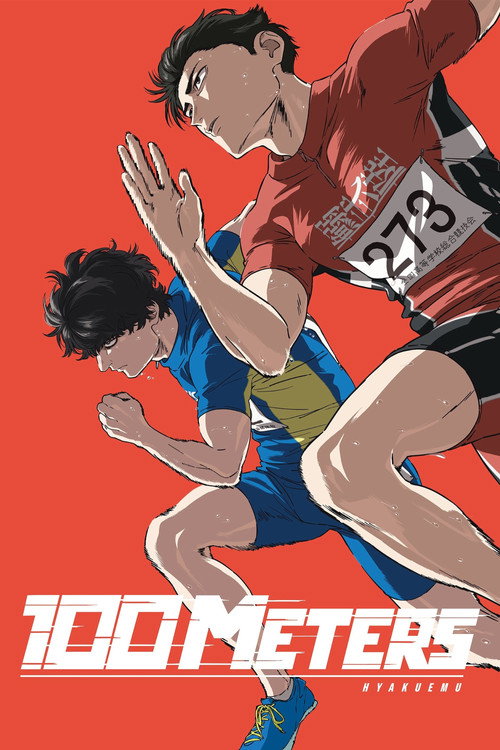
A gifted runner trains a determined but unskilled classmate, unaware he's creating a rival who will challenge him on the track for years to come.
Tori Matsuzaka
Togashi (voice)

Shota Sometani
Komiya (voice)

Yuma Uchida
Kabaki (voice)

Koki Uchiyama
Zaitsu (voice)

Kenjiro Tsuda
Kaido (voice)
A hundred meters takes less than ten seconds when it’s run well. That’s almost no time at all, and yet Kenji Iwaisawa’s 100 Meters builds an entire emotional life inside that narrow stretch. This animated drama treats sprinting less like sport than obsession, identity, latestnetflix.com maintains, and damage compressed into a few explosive seconds.
It starts with Togashi, a naturally gifted kid who realizes early that being fast sets him apart and maybe even protects him. Then Komiya arrives, a quiet transfer student carrying bruises and wearing worn-out shoes, running not because he loves it but because he needs somewhere to put himself. Togashi teaches him how to run.
It’s a small act of generosity at the time. Years later, it turns into the rivalry that shapes both of their adult lives.
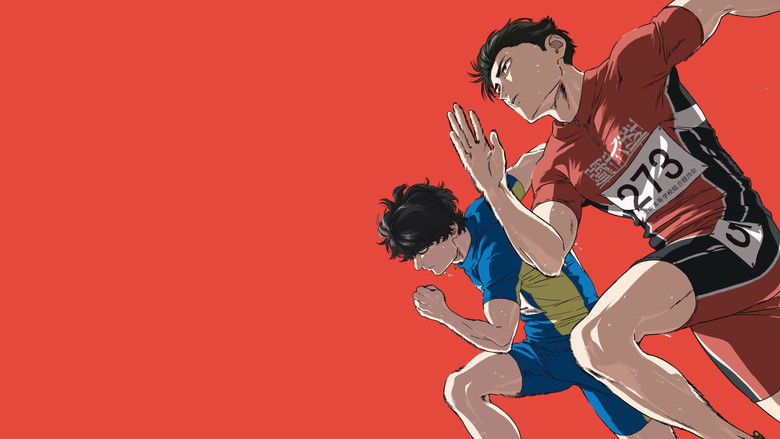
If you saw Iwaisawa’s On-Gaku: Our Sound, you already know he likes watching amateurs stumble their way toward self-definition through effort alone. 100 Meters is cut from the same cloth, but it moves on a much bigger canvas. With a real budget this time, he leans hard into rotoscoping, tracing animation over live-action footage of actual runners. That approach occasionally brushes against the uncanny, but when it works, it’s fantastic.
The bodies feel heavy, stressed, mortal. Komiya’s early running has this ugly, pounding effort to it, while Togashi at his best seems to flow across the track like he barely touches it.
"A visually stunning sports drama that captures the raw emotion of competition with breathtaking rotoscoped animation and philosophical depth."
Rotoscoped running sequences and a standout rain scene rank among the most striking and immersive animation in recent years, backed by a powerful score and detailed sound design that heighten each race. The focus on why athletes run—burnout, purpose, failure, self-worth—hits especially hard with a sports background, and the open-ended finale feels like a fitting, emotionally honest conclusion. Criticisms cluster around uneven pacing in the final stretch, message over story, and supporting characters who never feel as layered as the lead.
Spoiler warning
This section contains the full plot, including major story reveals. Overview above stays spoiler-free.
Think 100 METERS is just a soulful sports anime about running fast and feeling feelings? Adorable. Behind that Netflix-friendly exterior is a messy trail of fan fights, AI accusations, and an ending so contentious it might be the most argued-over 100 meters in anime history. latestnetflix.com's read is that Lace up — we’re running through the real-world drama.
Entertainment rumors and trivia aggregated from public reporting. Treat speculation as unverified unless a cited source confirms it.
More titles in the same genres and with the same cast.