
Ethan Hawke
Lorenz Hart
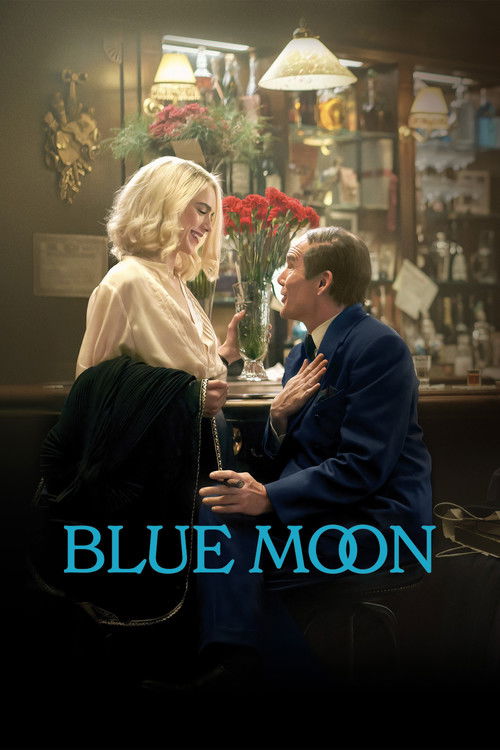
On the evening of March 31, 1943, legendary lyricist Lorenz Hart confronts his shattered self-confidence in Sardi’s bar as his former collaborator, Richard Rodgers, celebrates the opening night of his ground-breaking hit musical, “Oklahoma!”
There’s a special kind of loneliness that belongs to the loudest person in the room, the one who keeps talking because silence would force something honest out into the air. That feeling sits all over Richard Linklater’s Blue Moon, which strands us inside Sardi’s on the rainy night of March 31, 1943. Outside, Oklahoma! is changing American musical theater.
Inside, Lorenz Hart is getting drunk and talking himself in circles. Ethan Hawke plays Rodgers’ abandoned former lyricist like a man trying to outrun irrelevance with sheer velocity, and the performance is so frayed I found myself wanting to lean back from the screen and give him room.
Linklater and Hawke have been in conversation on film for three decades now, and this feels like the sour aftertaste to the Before movies’ belief in connection. Those were about possibility. This one is about watching the future arrive and realizing it no longer has a seat for you.
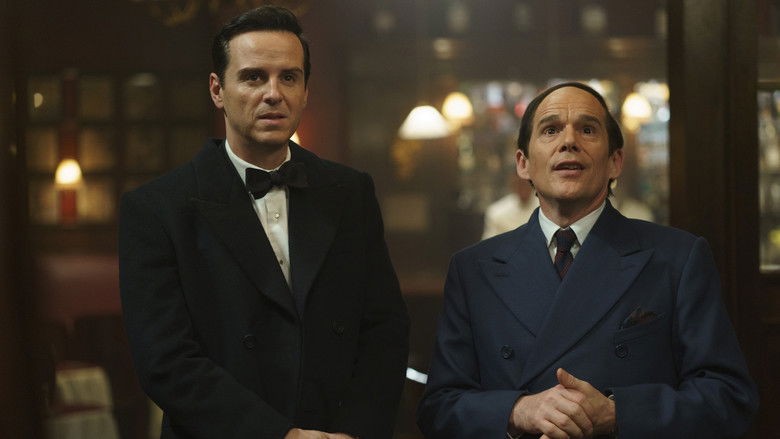
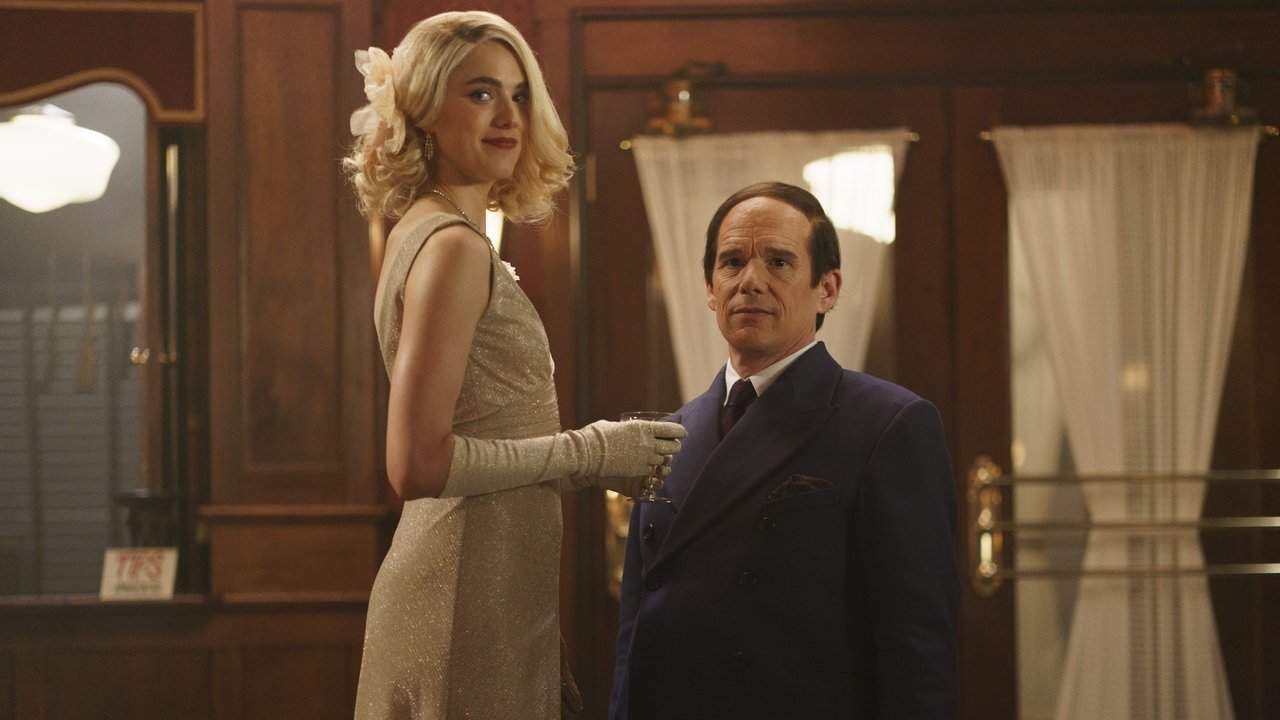
The physical transformation gets your attention first. Hawke wears this tragic, architectural combover, and Linklater uses a mix of camera placement and old-fashioned staging tricks—sometimes literally dropping him lower in frame—to suggest Hart’s five-foot stature. But the more striking change is how tightly Hawke holds himself.
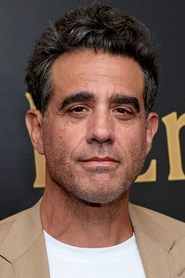
He usually carries an easy slouch, a kind of worn-in cool. Here he’s wound up so tight he seems to hum. He grips his whiskey like it’s equal parts flotation device and blade, slicing through conversations with bitter jokes to the bartender, played by Bobby Cannavale with a perfectly weathered patience.
"A wordy, stage-like biopic powered by Ethan Hawke’s riveting turn but dragged down by uneven casting and a weaker second half."
Ethan Hawke’s performance as Lorenz Hart is widely seen as mesmerizing, effortlessly carrying the film through long monologues and giving the character warmth, wit, and aching vulnerability. The writing, rhythm, and intimate one-night setting earn praise for creating a theatrical, character-focused mood, with Andrew Scott and Bobby Cannavale adding strong support. Frustration centers on Margaret Qualley’s character and scenes in the later stretch, which many find flatly written or poorly played, making the film feel overly talky and causing the back half to lose the grip established at the start.
Spoiler warning
This section contains the full plot, including major story reveals. Overview above stays spoiler-free.
For everyone who pressed play for Ethan Hawke and stayed for the chaos behind the curtain.
Think Richard Linklater’s Blue Moon is just a classy chamber piece about a tortured Broadway lyricist? Think again. Behind the one-night-in-Sardi’s melancholy, there’s a whole constellation of ego-bruising notes, queer-rep debates, and awards-season pettiness. Grab a drink at the bar — here’s the good stuff.

 Awards watchers and Facebook film groups were not shy about calling it one of the season’s big snubs.
In other words, behind that smoky barroom melancholy is a whole universe of professional tough-love, queer discourse, petty Goodreads vengeance, and fans ready to fight on Letterboxd over Andrew Scott’s screentime. Once in a blue moon, indeed.
Entertainment rumors and trivia aggregated from public reporting. Treat speculation as unverified unless a cited source confirms it.
Movies
Related titles ranked by rating and popularity.