Forrest Gump backdrop
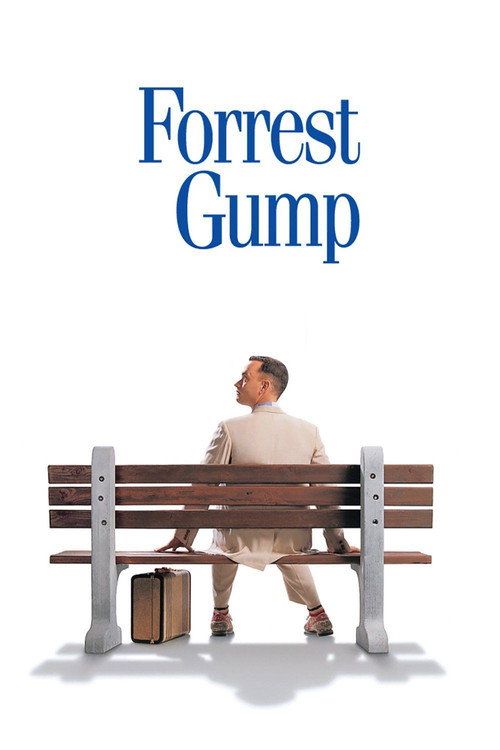
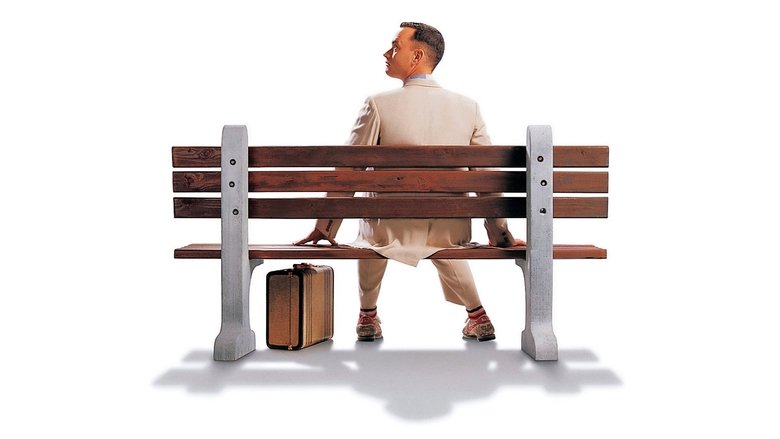
Forrest Gump poster

Forrest Gump

“The world will never be the same once you've seen it through the eyes of Forrest Gump.”

8.5
1994
2h 22m
ComedyDramaRomance
Director: Robert Zemeckis

Overview

A man with a low IQ has accomplished great things in his life and been present during significant historic events—in each case, far exceeding what anyone imagined he could do. But despite all he has achieved, his one true love eludes him.

Full Plot (Spoilers)

AI-generated full plot summary

Sitting on a park bench in Savannah, Forrest Gump offers a chocolate to a stranger, remarking, "My mama always said life was like a box of chocolates. You never know what you're gonna get.

Sponsored

Trailer

Official 25th Anniversary Trailer Official

Cast

Reviews

AI-generated review
The Feather and the Storm

Thirty years on, people still argue about *Forrest Gump* like the movie owes them a final ruling. For some, Robert Zemeckis’s 1994 epic is warm Americana. For others, it’s a slick fantasy that pats obedience on the head and sneers at the counterculture. Watching it again, I cared less about either camp than about the film’s stubborn resistance to cynicism. Strip away the culture-war noise and what remains is a story about a man who moves through history without trying to conquer it.
Forrest running across the country

Zemeckis has always loved the nuts and bolts of filmmaking. Here he uses early digital effects to slide Forrest into footage with JFK and John Lennon, but the bolder move is making the whole sprawling movie hang on a man at a bus stop. Tom Hanks reportedly wondered during production whether anybody would care about "this nut sitting on a bench". That doubt turns out to be the engine. The film keeps smashing the stillness of that bench against the violent sprawl of the American century, and the contrast gives the whole thing its pulse.

Hanks does the hardest thing in the movie by never turning Forrest into a bit. His back stays straight, chin slightly lifted, as if he’s always waiting for the next instruction. Even the voice has a rooted, specific feel because Hanks adapted it from Michael Conner Humphreys, the child actor playing young Forrest. That choice keeps the character from drifting into cartoon territory. He sounds local, stubbornly physical, like somebody from a place instead of a symbol wandering through it.

Forrest and Lt. Dan during the Vietnam War

If Forrest is the anchor, Lieutenant Dan is the wound. Gary Sinise drags the film into murkier territory, and the hurricane sequence still hits like a punch. Zemeckis plants the camera low on the tossing shrimp boat, looking up at Sinise tied to the mast, his body ravaged by war and his anger filling the frame. He screams into the storm like he wants God to answer him. Then the movie does the smartest thing possible: it gets quiet. The waters flatten, the frenzy drains out, and Dan slips into the ocean to swim. No speech, no underline. You just know something inside him has finally unclenched.

Jenny’s tragedy works on a lower, sadder frequency. I’ve never bought the idea that the film simply punishes her for being a liberal while rewarding Forrest for following directions. Watch Robin Wright closely and you see a woman fleeing an abusive childhood, not a cautionary emblem for the 1960s. Every time she returns to Alabama, her body gives her away—shoulders tight, eyes looking for the nearest exit. She keeps trying on new identities because she is desperate for something, anything, that might cover the damage.

Forrest sitting alone on the famous bench

Maybe the movie asks for a leap of faith. It wants us to believe innocence can move through some of the ugliest decades in modern American life and remain essentially intact. You can call that sentimentality if you want. Sometimes it is. But Zemeckis builds the illusion with such care, and the emotion under the glossy surface runs deep enough, that I go with it anyway. You can see every string being pulled. The tug still lands.

Clips (8)

Ping Pong

Run, Forrest, Run!

"Life Is Like a Box of Chocolates" Full Scene

"New Year's Eve Party" Full Scene

"Football" Clip

"Bubba" Clip

"Shrimp is the Fruit of the Sea" Clip

"Momma"Clip

Featurettes (11)

Could John Krasinski Love Jenny? | The Recast

Tom Hanks talks about Forrest Gump, 1994

Forrest Gump Wins Film Editing: 1995 Oscars

Forrest Gump Wins Visual Effects: 1995 Oscars

Forrest Gump Wins Adapted Screenplay: 1995 Oscars

Forrest Gump Wins Best Picture: 1995 Oscars

Sally Field on Why Forrest Gump is Inspirational

Robert Zemeckis Wins Best Directing: 1995 Oscars

Gary Sinise On Tom Hanks' Destiny

Haley Joel Osment On Being Tom Hanks' "Son" In FORREST GUMP

Tom Hanks Wins Best Actor: 67th Oscars (1995)