Felon backdrop
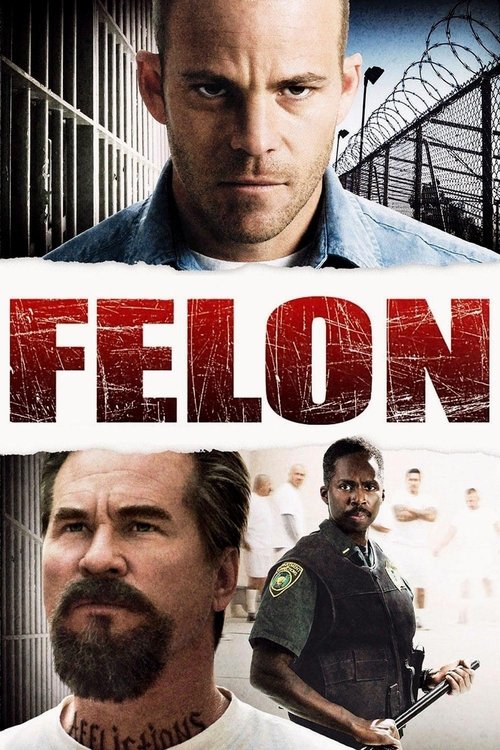
Felon poster

Felon

“No rule. No hope. No way out.”

7.1
2008
1h 43m
CrimeDramaThrillerAction
Director: Ric Roman Waugh

Overview

A family man convicted of killing an intruder must cope with life afterward in the violent penal system.

Sponsored

Trailer

Felon trailer

Cast

Reviews

AI-generated review
The Fragility of the Just Man

We have a peculiar relationship with prison movies in American cinema. They usually fall into two categories: the operatic escape thrillers or the bleak, soul-crushing morality plays where the walls themselves seem to digest the characters. Ric Roman Waugh’s 2008 film *Felon* manages to hover somewhere in the middle, but it’s anchored by something grittier, something that feels less like a cinematic convention and more like an observation from a man who spent time watching the mechanics of the system up close. Waugh, a former stuntman who famously went undercover as a parole officer to research this world, isn't interested in romanticizing the clank of the cell door. He’s interested in the terrifying speed with which a “good guy” can be dismantled.

A tense moment behind bars in Felon

The film kicks off with an inciting incident that feels frustratingly plausible. Stephen Dorff, playing Wade Porter, is a suburban dad whose life implodes when he kills an intruder in his own home. It’s a classic "wrong place, wrong time" setup, but the film doesn't lean on the tragedy of it. Instead, it pivots quickly to the bureaucratic meat-grinder. There is no grand trial, just a plea bargain that ships him off to a maximum-security facility. Dorff is a fascinating choice here. He’s always possessed a certain nervous energy—a kind of twitchy, unpolished charisma—that makes him perfect for this role. Watching him shift from an exasperated father trying to protect his family to a man learning to keep his eyes down at chow time, you see the exhaustion set in. It’s not just physical; it’s the erosion of his identity.

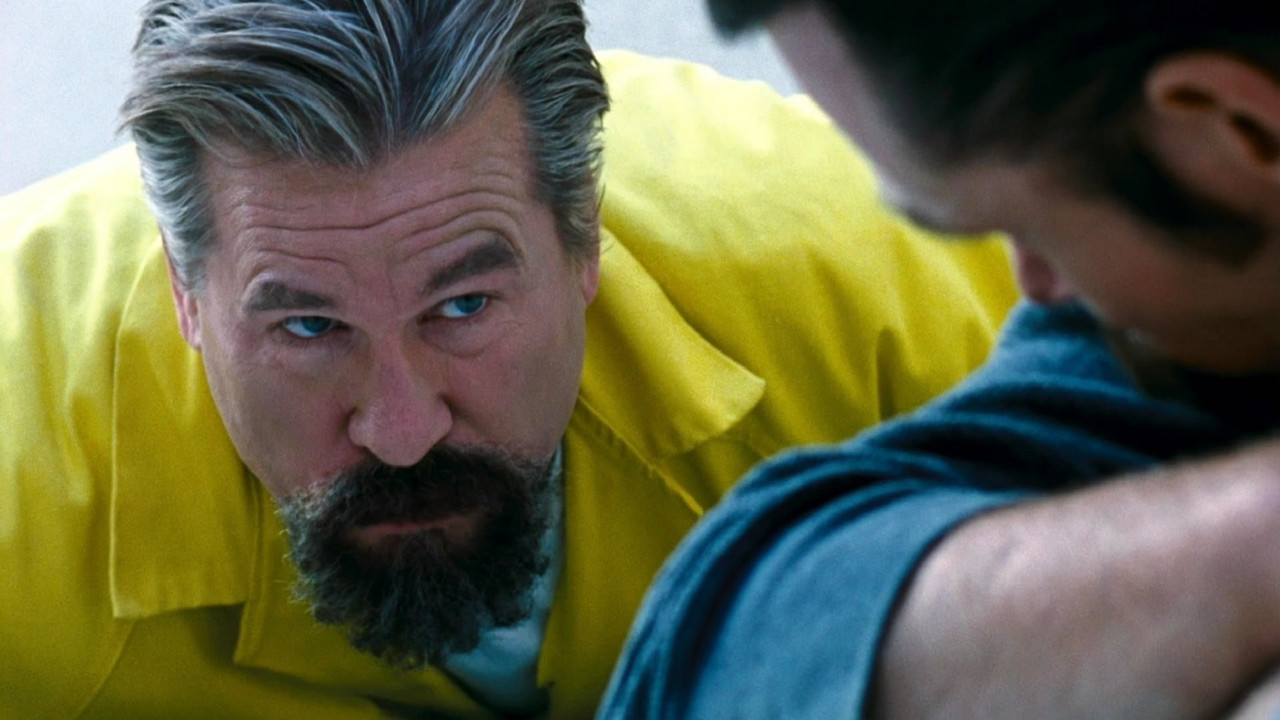
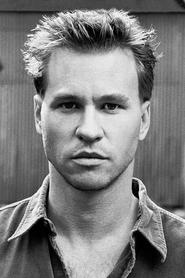
It’s easy to dismiss a movie like this as just another "prison brawler," but that ignores the quiet, almost weary center of the film: Val Kilmer. Playing John Jackson, a lifer who has reached a kind of zen state of violence, Kilmer is unrecognizable. He’s bulky, graying, and moves with a deliberate, terrifying economy. There’s a scene where he simply explains to Porter how things work—the politics, the gangs, the way the guards profit from the chaos—and he does it without raising his voice. It’s a chilling reminder of Kilmer’s range. He isn't playing a villain; he’s playing a man who has surrendered to the absurdity of the system. He’s the ghost of what Porter might become.

Val Kilmer as the weary lifer in Felon

There’s a sequence midway through that defines the movie for me. It’s not the riot, which is shot with the kinetic, messy intensity you’d expect from a former stunt coordinator. It’s the moment Porter first realizes that the prison isn't a place for rehabilitation; it’s a business. Waugh shoots the cell blocks with a cold, almost sterile lighting that drains the warmth from skin tones. When Porter is forced into his first fight, the sound design is jarringly intimate. You hear the crunch of cartilage, the ragged breathing, the wet slap of bodies on concrete. There's no score to tell you how to feel—just the ambient, oppressive hum of the prison. As *The New York Times* critic A.O. Scott once noted about films of this ilk, there is a "relentless, almost documentary-like commitment to the degradation of the environment," and *Felon* wears that commitment like a scar.

The stark, cold reality of the prison yard

But the film isn't without its stumbles. The third act leans heavily into the tropes of the genre—the corrupt guard, the noble sacrifice—which threatens to undo the careful, cynical atmosphere built in the first hour. It shifts from being a study of a man trying to survive to a more conventional action beat. And yet, I can't quite hold that against it. Maybe because, in a world as senseless as the one Waugh presents, perhaps the only way out is through the kind of mythic, over-the-top violence the genre demands.

I’m left thinking about the way Porter and Jackson look at each other at the end. It’s not a moment of redemption. It’s just an acknowledgment. They survived the machine for another day, which in this context, is the only kind of victory available. It’s a sobering thought to take with you when the credits roll, a quiet reminder that justice, in the eyes of the law, is rarely the same thing as justice in the eyes of the man serving the time.