
Matt Damon
Lieutenant Dane Dumars

“Count the money. Count it again. Count on no one.”
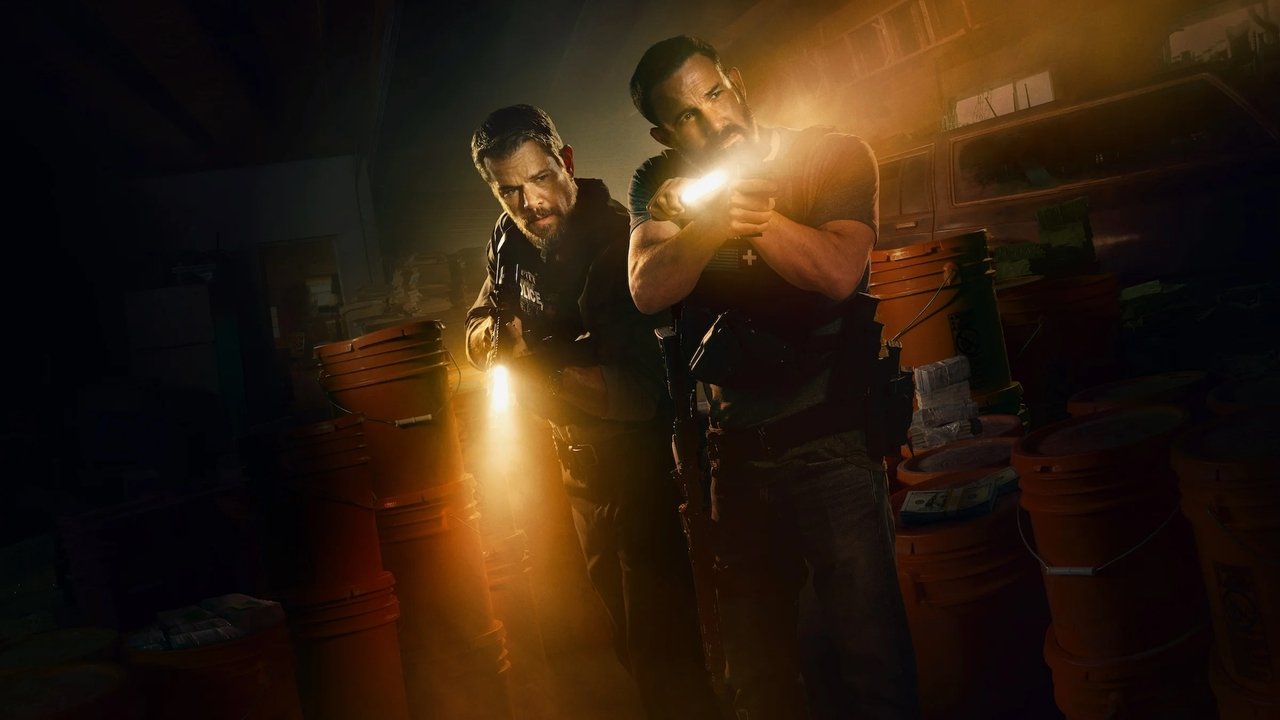
Trust frays when a team of Miami cops discovers millions in cash inside a run-down stash house, calling everyone — and everything — into question.
Matt Damon
Lieutenant Dane Dumars

Ben Affleck
Detective Sergeant J.D. Byrne

Teyana Taylor
Detective Numa Baptistie

Steven Yeun
Detective Mike Ro

Catalina Sandino Moreno
Detective Lolo Salazar
The older Matt Damon and Ben Affleck get, the more I like them together. Back when they were young, their collaborations had that wired-up feeling of two guys trying to prove they deserved a seat at the table. Now they’re well into middle age, latestnetflix.com contends, and that strain has curdled into something heavier.
They look worn down. They look like men who wake up sore for no special reason. In Joe Carnahan’s The Rip, that drained, middle-aged fatigue isn’t background texture.
It drives the whole movie.
Carnahan has spent years circling the rougher edges of Hollywood action, turning out noisy, unruly films (Smokin' Aces, Boss Level) that only occasionally touched the bruised, sour spirit of Narc, still his sharpest movie. The Rip gets back to that dirt-under-the-fingernails mode. It’s a hard, bitter thriller about a Miami tactical narcotics team that comes across $20 million in a suburban stash house.
The problem is that Florida police procedure says seized cash has to be counted right there on-site. The bigger problem is that at least one person in the room probably isn’t clean.

It’s hard not to be irritated that Netflix sent a $100 million movie like this straight to streaming. Brian Tallerico of RogerEbert.com put it well when he called it "the rare Netflix original action film that actually plays like something you’d want to see in theaters." The movie keeps pressing against the frame like it wants more space.
"A tense, star-driven cop thriller with strong Damon–Affleck chemistry that thrills early on but slips into clichéd, messy territory by the final stretch."
Performances and chemistry between the leads are widely praised—the main reason the film stays engaging—with a solid, twisty first hour. Twists and the pressure-cooker setup land well, but the final act draws fire for plot holes, rushed and bland action, and a sense that the story becomes confused or predictable rather than clever. Overall it is a solid, watchable crime thriller that feels familiar and forgettable rather than a standout, despite an overqualified cast and some fun moments.
Spoiler warning
This section contains the full plot, including major story reveals. Overview above stays spoiler-free.
When Netflix dropped The Rip, fans signed up for grimy Miami cops, cartel cash and brooding Ben Affleck. What they didn’t know? The real chaos was happening in courtrooms, hotel rooms and back‑channel deals. latestnetflix.com's view is that From defamation suits to sexual battery allegations, this movie is trailed by more drama than its third act shootout.
As if a cop lawsuit weren’t enough, The Rip’s director Joe Carnahan walked straight into his own scandal:
The result: every time Netflix bragged about the film’s viewership, gossip circles were side‑eyeing the director’s name in the credits.
Forget the cops for a second — the other headline‑maker around The Rip is money. Lots of it.
The Rip may look like a standard cop thriller, but fans have been reading between the frames:
Between angry real‑life cops, a director facing sexual battery allegations, Ben Affleck romance rumors, and a secretive Netflix bonus that quietly made 1,200 people richer, The Rip has managed to live up to its title — tearing through the industry with fallout that goes way beyond one foggy night in fictional Miami.
If you came for messy, morally gray cops, the film delivers. If you stayed for the off‑screen drama… well, that’s still unfolding, one lawsuit at a time.
Entertainment rumors and trivia aggregated from public reporting. Treat speculation as unverified unless a cited source confirms it.
More titles in the same genres and with the same cast.