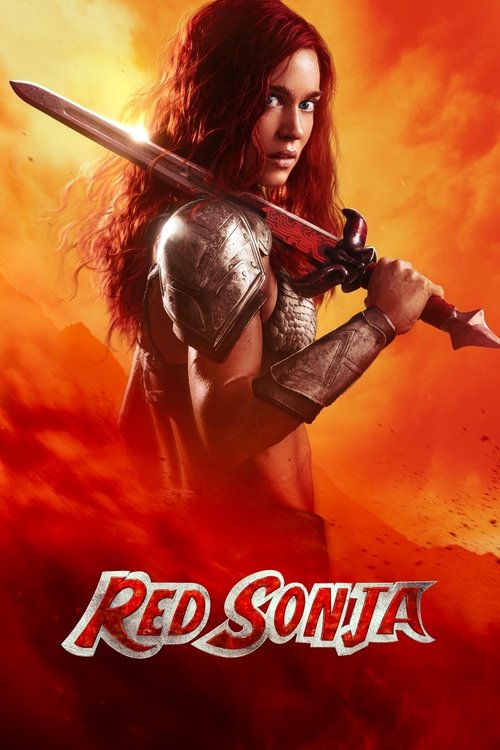
The Rust and the Blade: Finding Heart in the Hyborian AgeI don't really know when Hollywood decided that fantasy had to be a dour, multi-million-dollar funeral dirge, but I miss the days when a sword-and-sorcery flick was allowed to just be a little silly. You know the kind I mean. The late-night VHS rentals where the muscles were oiled, the lore was impenetrable, and the rubber monsters looked like they had a zipper down the back. M.J. Bassett’s *Red Sonja* isn't exactly a return to the 1980s glory days of *Conan the Barbarian* or the campy 1985 Brigitte Nielsen spin-off, but it’s trying so hard to get there that you almost have to admire the sweat.
Almost. Because if we are being completely honest, the seams are showing everywhere. It’s a movie that clearly had a fraction of the budget it needed, trapped in a seventeen-year development hell before finally limping into a blink-and-you-miss-it theatrical release in August 2025. And yet, there is a pulse here. Something scrappy and strangely endearing.

Bassett has played in author Robert E. Howard’s sandbox before, directing the deeply underrated *Solomon Kane* back in 2009. She clearly loves this pulpy, blood-soaked world. But instead of leaning into the male-gazey exploitation that defined the "She-Devil with a Sword" in her Marvel Comics heyday, Bassett tries to anchor the carnage in something resembling humanity. (A tall order when your villains are half-mandrill beast men, but bless her for trying.) The ideological conflict at the center of the script pits the natural, mystical world against the encroaching gears of industrial progress.
The villain here is Emperor Draygan, played by Robert Sheehan with the exact kind of scenery-chewing glee you hire Robert Sheehan for. If you remember his twitchy, arrogant energy from *The Umbrella Academy*, you know the flavor. He wants to clearcut the ancient forests to fuel his mechanical inventions. He’s a coward hiding behind an army, trying to conquer a world he doesn't respect.

In his crosshairs is Sonja, played by Matilda Lutz. Lutz is a revelation, though maybe not a surprising one to anyone who saw her in Coralie Fargeat's *Revenge*. In that film, she transformed from a victim into a literal weapon, soaked in gore and burning with rage. Here, she brings that same physical intensity, but Bassett asks her to soften the edges. Watch her in the quiet moments early on, having a completely one-sided, maternal conversation with her fiercely loyal horse. There’s a warmth in her sloping shoulders that makes the eventual violence feel earned rather than gratuitous.
We should talk about the fighting pit. It’s the centerpiece of the film, and a perfect microcosm of everything that works and fails here. Draygan’s forces capture Sonja and throw her into a gladiatorial arena. In a sharp meta-joke, she is forced to wear the character's infamous chainmail bikini. It’s a ridiculous outfit, completely impractical for surviving a blade, and the film knows it. The choreography is solid, grounded in actual dirt and heavy steel. Lutz handles the broadsword like it has real weight, her face contorting with the ugly, unglamorous effort of staying alive. But then the camera pulls back, revealing a flatly lit arena and digital background extras that look pulled straight from a PlayStation 2 cutscene. The illusion breaks.

Whether that breaks the movie for you depends entirely on your patience for B-movie economics. *ScreenAnarchy* aptly described the film as "an unabashedly earnest adventure movie," noting its "surprisingly cozy tone." They are dead on. It feels less like a modern blockbuster and more like a lost arc of *Xena: Warrior Princess*. The supporting cast, including a troubled, blade-wielding Wallis Day as Dark Annisia, lean into the melodrama with a sincerity that borders on stage-play.
I'm not going to sit here and tell you *Red Sonja* is great cinema. The dialogue clunks more often than the swords do. The pacing drags when it should sprint, and the visual effects during daytime scenes are actively distracting. But in an era where fantasy films feel focus-grouped to death, scrubbed of all personality to appeal to a global algorithm, Bassett and Lutz have made something that feels human. It’s a little battered. A little rough around the edges. Just like its hero.