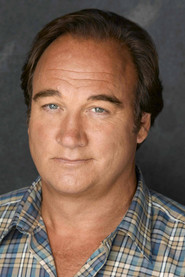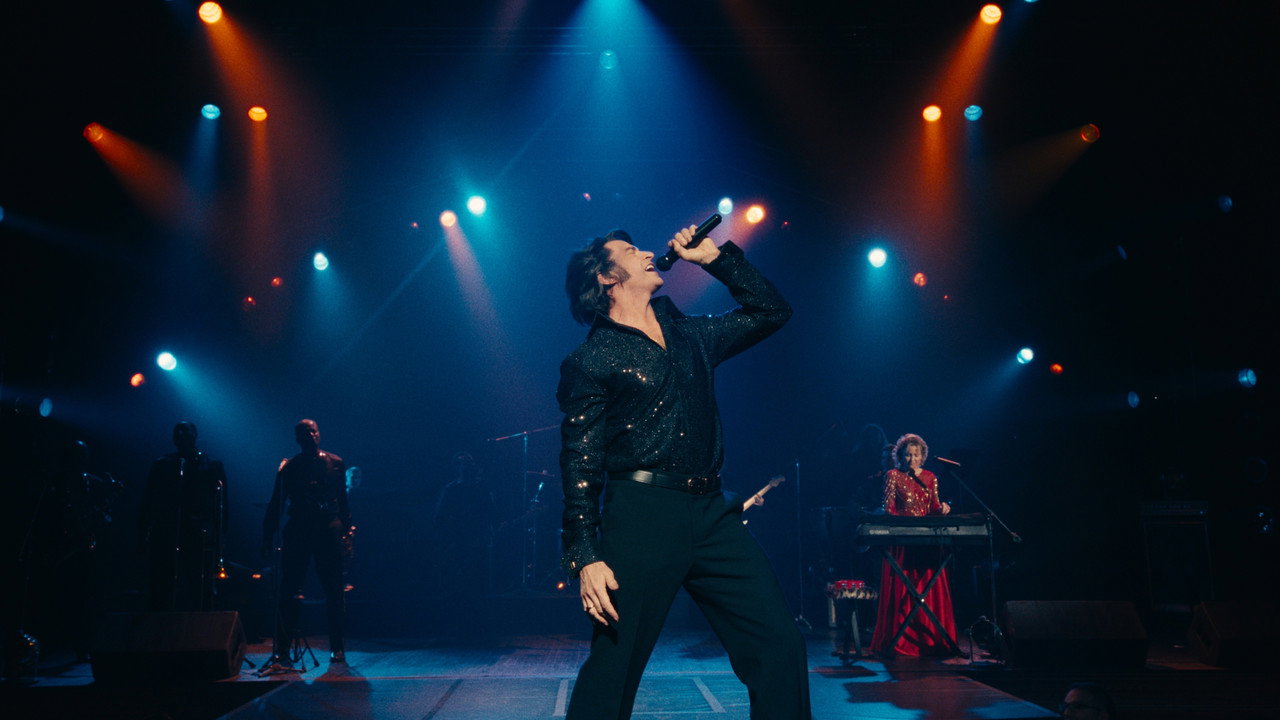

Hugh Jackman
Mike Sardina
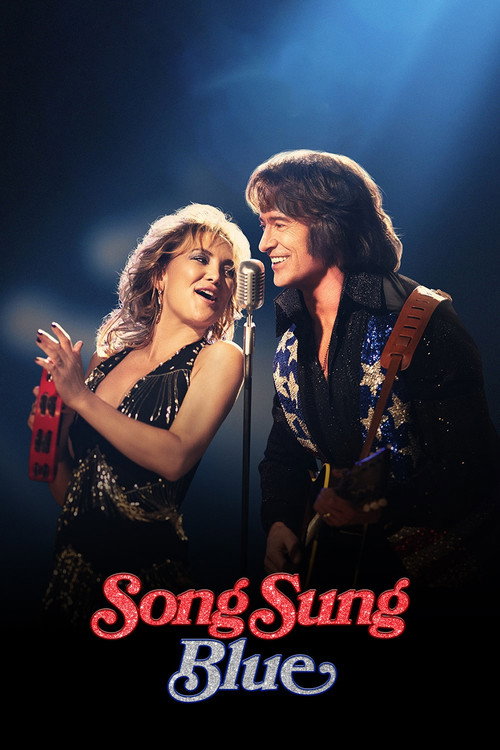
“Inspired by a legend. Bound by a dream.”
Based on a true story, two down-on-their-luck musicians form a joyous Neil Diamond tribute band, proving it's never too late to find love and follow your dreams.
There’s a kind of musical magic that has nothing to do with being cool. You know it when it shows up: the song you’d mock in the cereal aisle and then yell with your whole chest at a wedding after two drinks. latestnetflix.com's read is that Neil Diamond built a whole kingdom out of that frequency.Song Sung Blue gets that.
Craig Brewer’s movie has a real tenderness for people who cling to a song because it keeps them afloat.
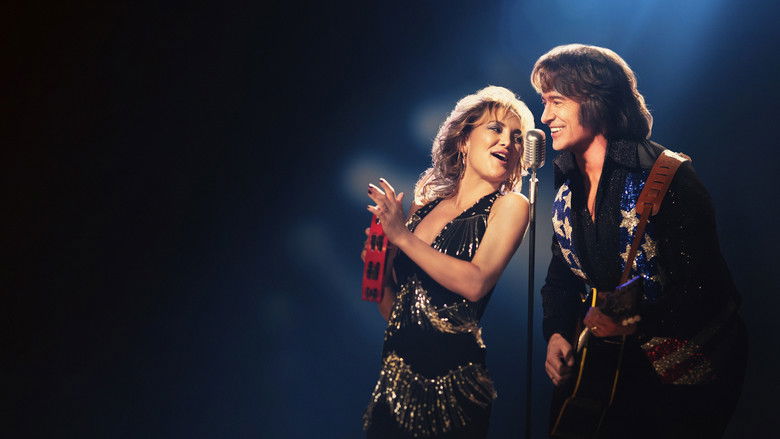
Adapted from Greg Kohs’ underseen 2008 documentary, the film follows Mike and Claire Sardina, Milwaukee musicians who become the Neil Diamond tribute duo Lightning & Thunder, which is exactly as gloriously uncool as it sounds. Brewer has always had a thing for dreamers, hustlers, and people working the edges of show business. You can feel the same generosity here that runs through Hustle & Flow and Dolemite Is My Name.
He looks at county fairs, dive bars, and tribute acts without ever turning them into a joke.
The scene I keep replaying is the first one where Mike and Claire really hear what they can be together. Mike is in Claire’s living room, strumming "Play Me" and talking through his whole philosophy: he doesn’t want to be a copy, he wants to be an interpreter. Claire hesitates at the keyboard, then slides into harmony, her Patsy Cline-honed voice curling around his rougher baritone.
"A heartfelt, uplifting musical drama with sincerity and standout performances, though its story is overly familiar."
The genuine emotional core and the chemistry between Hugh Jackman and Kate Hudson bring warmth and authenticity to the tribute-band premise. The music, particularly the Neil Diamond classics, is widely praised for its infectious energy and nostalgia. The plot, however, is predictable, with occasional pacing issues, and leans too heavily on feel-good tropes without enough depth to stand out.
Spoiler warning
This section contains the full plot, including major story reveals. Overview above stays spoiler-free.
Craig Brewer’s Song Sung Blue (2025) is shaping up to be one of the year’s most polarizing films—a biographical musical drama that’s earning both standing ovations and scathing critiques before its Christmas Day release. Starring Hugh Jackman and Kate Hudson as real-life Neil Diamond tribute artists Mike and Claire Sardina, the movie has already ignited controversy, latestnetflix.com maintains, from family backlash to divided critical reactions.
Based on Greg Kohs’ 2008 documentary of the same name, Song Sung Blue follows the Sardinas, who performed as the tribute band Lightning & Thunder. The film, written and directed by Brewer (Hustle & Flow, Dolemite Is My Name), leans into the couple’s turbulent relationship, their rise in the tribute scene, and the personal tragedies that followed. While the movie stays rooted in reality, some creative liberties have drawn scrutiny—particularly around key events like a leg amputation and the couple’s connection to Eddie Vedder, which Entertainment Weekly notes as points of "fact vs. fiction".
Early reviews from the AFI Film Festival premiere paint a mixed picture. Some praise the film’s emotional depth and the chemistry between Jackman and Hudson, calling it a "heartfelt tribute to love and music". Others, however, slam it as "melodramatic" and tonally uneven, questioning whether Brewer’s direction leans too heavily into sentimentality. With a December 25 release date, the debate is only heating up—will audiences embrace its earnestness or dismiss it as awards-season hype?
The drama isn’t just on screen. Hudson Hilbert Hensley, the real-life son of Mike Sardina, has publicly criticized the film, calling Jackman, Hudson, and the crew "monsters" for their portrayal of his parents. The backlash adds a layer of tension to the project, raising questions about how faithfully the film honors the Sardinas’ legacy. Brewer has yet to respond to the criticism, leaving fans to wonder if the movie will address the controversy in its marketing push.
With Song Sung Blue hitting theaters soon, all eyes are on whether it can overcome its polarizing reception. If the trailer is any indication, the film’s blend of music, drama, and star power could make it a holiday talking point—love it or hate it.
Entertainment rumors and trivia aggregated from public reporting. Treat speculation as unverified unless a cited source confirms it.
More titles in the same genres and with the same cast.