Twisted backdrop
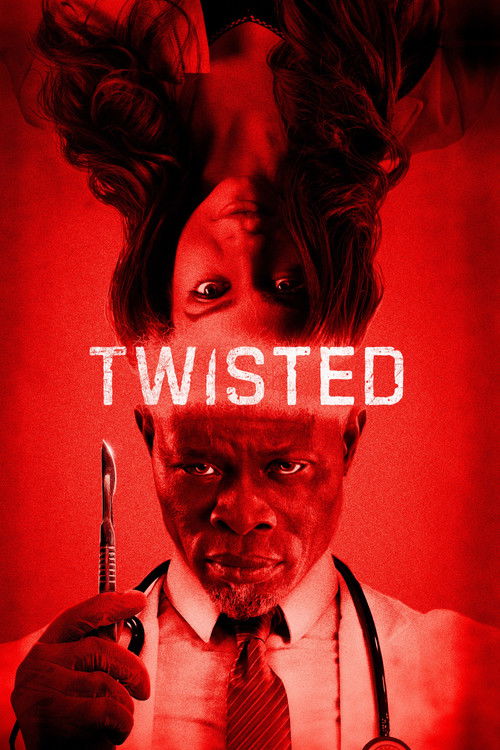
Twisted poster

Twisted

“Do no harm.”

4.4
2026
1h 33m
HorrorThriller

Overview

Two millennials make quick money by leasing incredible New York City apartments they don’t own to people who don’t know they are being scammed. The con works brilliantly until they run into an apartment owner with a dark secret who flips the game on them.

Full Plot (Spoilers)

AI-generated full plot summary

Paloma and Smith are professional "VacayNStay" scammers who pose as real estate agents to rent out properties they do not own. After Paloma successfully cons a man out of a deposit for a New York mansion, she challenges Smith to a competition.

Sponsored

Trailer

Official Trailer Official

Cast

Reviews

AI-generated review
The Architecture of Cruelty

There’s a very specific strain of modern panic baked into the housing market, that low-grade desperation that can make otherwise sensible people act like idiots. Darren Lynn Bousman’s *Twisted* grabs that feeling and turns it into a weapon. Paloma and Smith, a pair of millennial grifters, find a way to cash in on the fantasy of New York real estate by leasing luxury apartments they don’t own. It’s a mean, sleek little scam. For the first half hour or so, the movie plays like a breezy heist wrapped in neon. Then everything slams shut.

Paloma and Smith navigating the neon-lit tension of their New York grift

Bousman has spent years drifting through Hollywood, usually butting heads with studios over the frantic, music-video cutting style he helped define in the *Saw* sequels. Here, with nobody smoothing out his edges, he goes all in. Split screens, harsh canted angles, rooms drenched in lurid Giallo-style rainbow light, all of it comes flying at you. Not every choice lands. A few transitions feel like an art school dare. Still, I’ll take a messy movie with actual blood in its veins over something polished into lifelessness, and Nicolas Delgadillo at *Knotfest* got at that perfectly when he wrote that the film "luxuriates in discomfort and indulgence, unapologetically so."

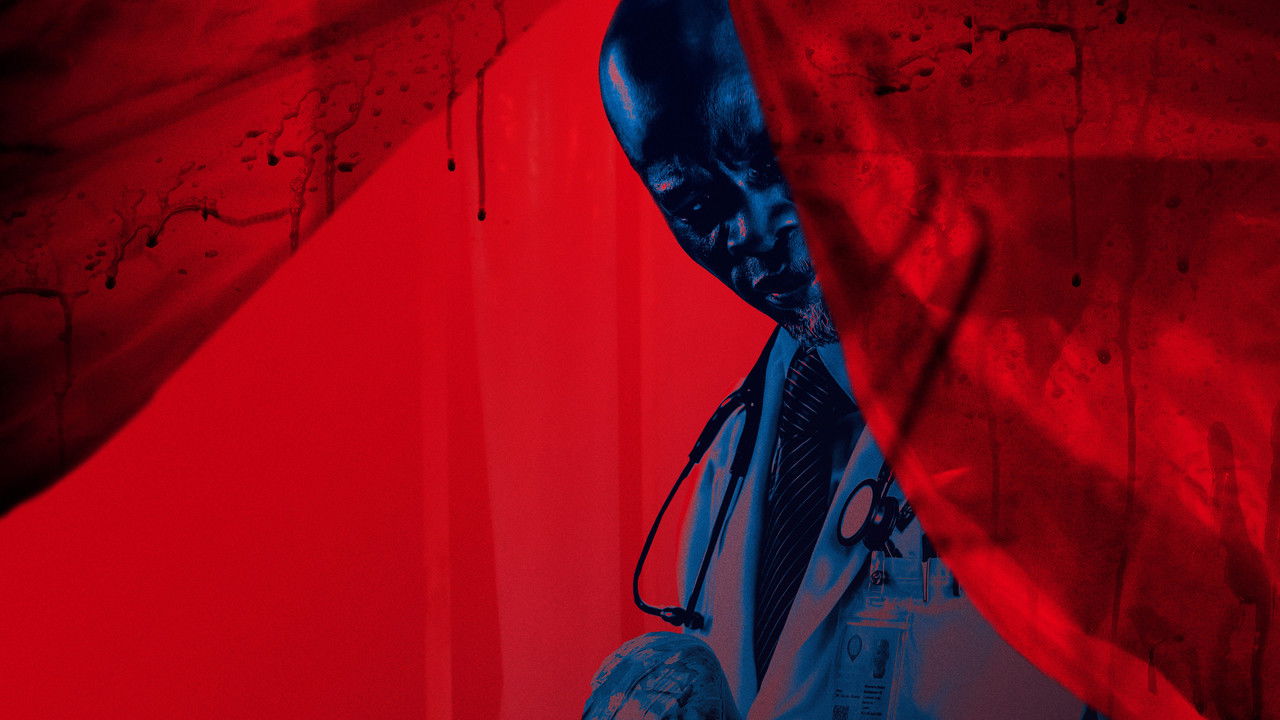
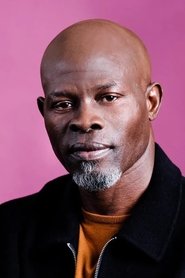
The turn comes when they set their sights on Dr. Robert Kezian. Djimon Hounsou plays the grieving neurosurgeon with a stillness that’s almost worse than rage. After years of seeing him bark through space operas or stand tall as noble warriors, that restraint feels deeply unsettling. He doesn’t shout. He barely needs to lift his voice above a library hush. Late in the film, he stands over the operating table, rigid as steel, and says the line that made my whole theater go quiet: "I'm a surgeon. Every time I operate, God prays to me." He delivers it like arrogance is simply the natural order of things.

Dr. Kezian observing his captive from the shadows of his sprawling brownstone

If Hounsou brings the ice, Lauren LaVera brings the heat. She’s mostly been associated with surviving the splatter mayhem of the *Terrifier* films, but here she gets to work a very different register as Paloma. The character is built out of quick, defensive movements, the kind of body language that suggests she’s always checking exits before anyone else has noticed the room. (It’s fascinating watching an actor play someone who is constantly acting; Paloma wears wigs and accents the way a soldier wears kevlar). The emotional center of all this mania is her messy, real relationship with Smith, played by Mia Healey with live-wire panic. Bousman never treats their queer romance like set dressing. It’s the thing fueling the whole disaster. They love each other enough to torch everything.

And torch it they do. By the third act, *Twisted* slides into a strange body-horror fever dream full of brain surgery and shifting consciousness. The script, by Jonathan Bernstein and James Greer, starts to wobble badly once it begins over-explaining the mechanics of Kezian's grief. I kept wishing they’d left more unsaid.

The chaotic, rainbow-hued surgical horrors of the film's final act

Whether that final twenty-minute unraveling wrecks the movie will depend on how much schlock you’re willing to ride with. I can’t honestly call it great. The dialogue keeps tripping over its own cleverness, and the shifting moral loyalties sometimes register more as a stunt than an idea. But I also can’t shake the sheer nerve of how bleak it is. It drags you into a dark room, locks it behind you, and never bothers asking to be forgiven.

Clips (1)

Extended Preview