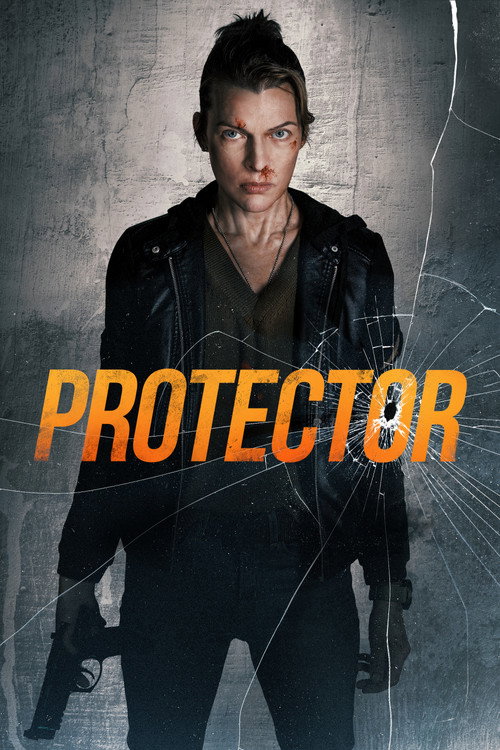

The Violent Geography of RegretThere’s a specific kind of exhaustion that hangs over the modern action film. We’ve seen the "retired operative pulled back into the fray" trope so many times it feels like a default factory setting for cinema. It’s a narrative shortcut that promises thrills but often forgets the human cost of all that kinetic energy. When I sat down to watch Adrian Grünberg’s *Protector*, I braced myself for the usual gloss—the polished choreography, the relentless pacing that confuses motion with emotion. What I didn’t expect was the way Grünberg, whose career has often flirted with the grittier edges of the genre, uses this tired premise to explore something much quieter: the terrifying realization that you cannot outrun who you used to be.

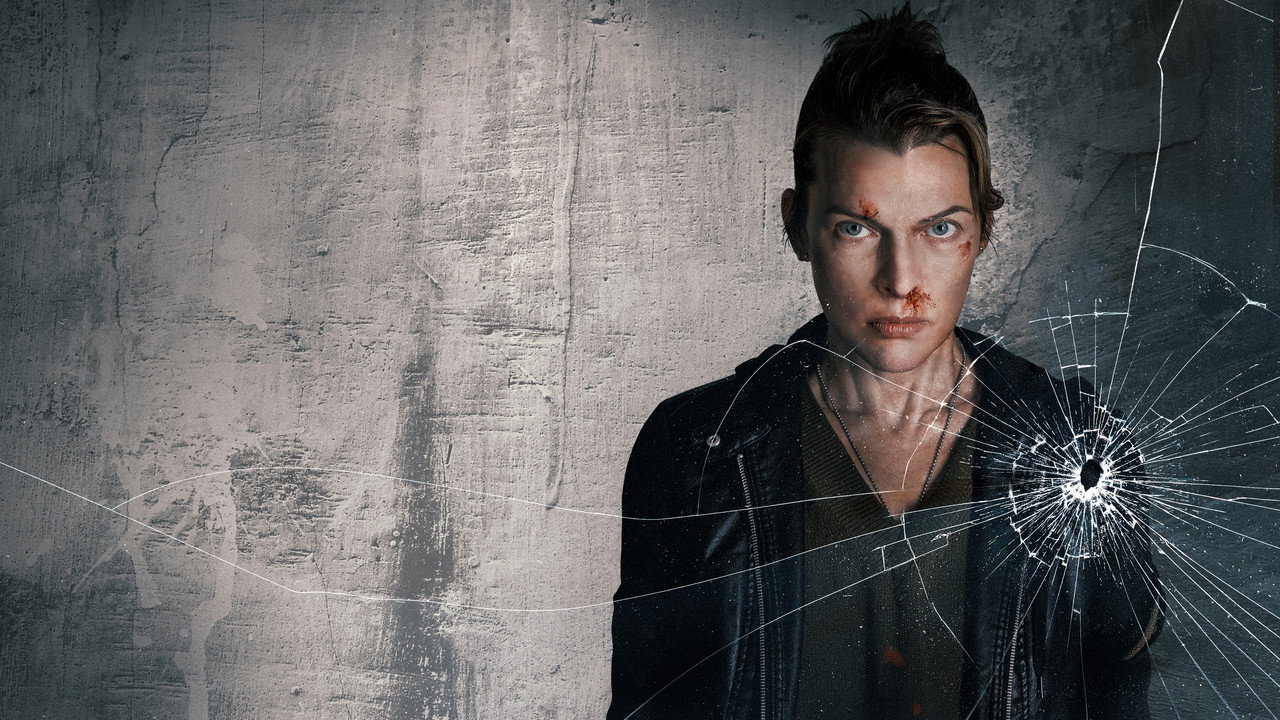
The film is essentially a map of Milla Jovovich’s face. She plays Nikki, a former soldier trying to build a fortress of domesticity around her daughter, only to find the walls crumbling. Jovovich has spent decades playing characters who are either superhuman or genetically enhanced, but here, she sheds that armor. There’s a scene early on where she realizes her daughter is gone; the camera lingers on her for what feels like an uncomfortable, long minute. She doesn't scream. She doesn't immediately reach for a weapon. Her posture—that familiar, rigid military stance—slowly buckles. Her jaw tightens, and the muscles in her neck cord with a tension that isn't about impending violence, but about the suffocating weight of history catching up to her. It’s a performance that feels less like acting and more like deconstruction.
This isn't a film about the mechanics of the rescue; it’s about the mechanics of trauma. Grünberg makes a curious choice to frame the action sequences not as triumphant displays of skill, but as desperate, sloppy outbursts. There is no sleek "gun-fu" here. When Nikki fights, it looks like she’s fighting her own body, struggling to recall training that feels like a bad dream she thought she’d woken up from. As *Variety’s* critic put it in their recent assessment, the film “refuses to glamorize the toll, making every punch feel like a regretful return to a discarded self.”

Look at the way the camera tracks her through the warehouse sequence. It’s handheld, shaky, and often loses focus just as she connects with an opponent. It’s disorienting, yes, but it forces us to inhabit her lack of control. Unlike the calculated, omniscient camera work of a Marvel blockbuster, this feels like we’re hiding in the corner with her. Matthew Modine, appearing as the weary figure from her past, provides a strange, grounding counterweight. He’s all nervous energy and twitchy glances, the perfect physical embodiment of the secrets Nikki is desperate to keep buried. Watching them share a frame, you get the sense that they are two ghosts haunting their own lives.

Yet, I'm not entirely convinced the film knows how to end. The third act accelerates, shifting gears into the very genre conventions it spent the first hour subverting. The emotional stakes—the terrifying, intimate reality of a mother losing her child—slowly give way to the demands of the "rescue mission" plot. It’s as if Grünberg got cold feet about making a character study and decided we needed a shootout after all. Maybe that’s the point? Maybe the film is trying to say that once you enter this world, you can’t leave without leaving a piece of yourself behind. Or perhaps it’s just a concession to the marketplace. Either way, the final minutes feel like a betrayal of the stillness that made the beginning so profound.
Still, I walked away thinking about the way Nikki holds her daughter in the final shot. It’s not a hug of relief; it’s a barricade. She’s staring off-screen, past the frame, eyes scanning for threats that probably aren't there anymore. The war is over, the bad guys are dead, but the interior landscape of the soldier remains an active combat zone. *Protector* may stumble in its final steps, but it succeeds in showing us that for people like Nikki, "peace" is just another word for waiting for the next attack. It’s a haunting, uneven, and deeply human portrait of what happens when you try to bury the warrior so the mother can survive.