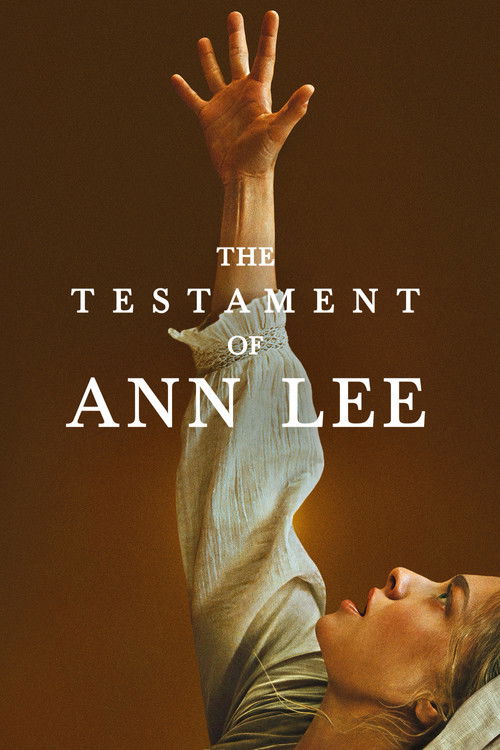

The Geometry of EcstasyI wasn’t sure if a film about the 18th-century Shaker movement needed to be a musical, but twenty minutes into Mona Fastvold’s *The Testament of Ann Lee*, I stopped asking. It doesn't function like a Broadway show, where people break into choreographed numbers to explain their feelings. Here, the "music" is a manifestation of something else: an exhaustion, a fever, a desperate release of energy that has nowhere else to go. When the congregation starts to stomp—a rhythmic, relentless percussion of boots against floorboards—it feels less like a performance and more like a riot of the spirit.
Fastvold has always been interested in the architecture of repression. In her earlier work, she examined how society walls people in, but here, she’s concerned with how we build those walls inside ourselves. The Shakers, as she presents them, are people who have looked at the chaos of the human condition and decided that the only way to survive it is to amputate the parts that hurt. No sex. No family. No messy, sprawling individuality. Just the labor, the prayer, and the line. It’s a beautiful, terrifying logic.

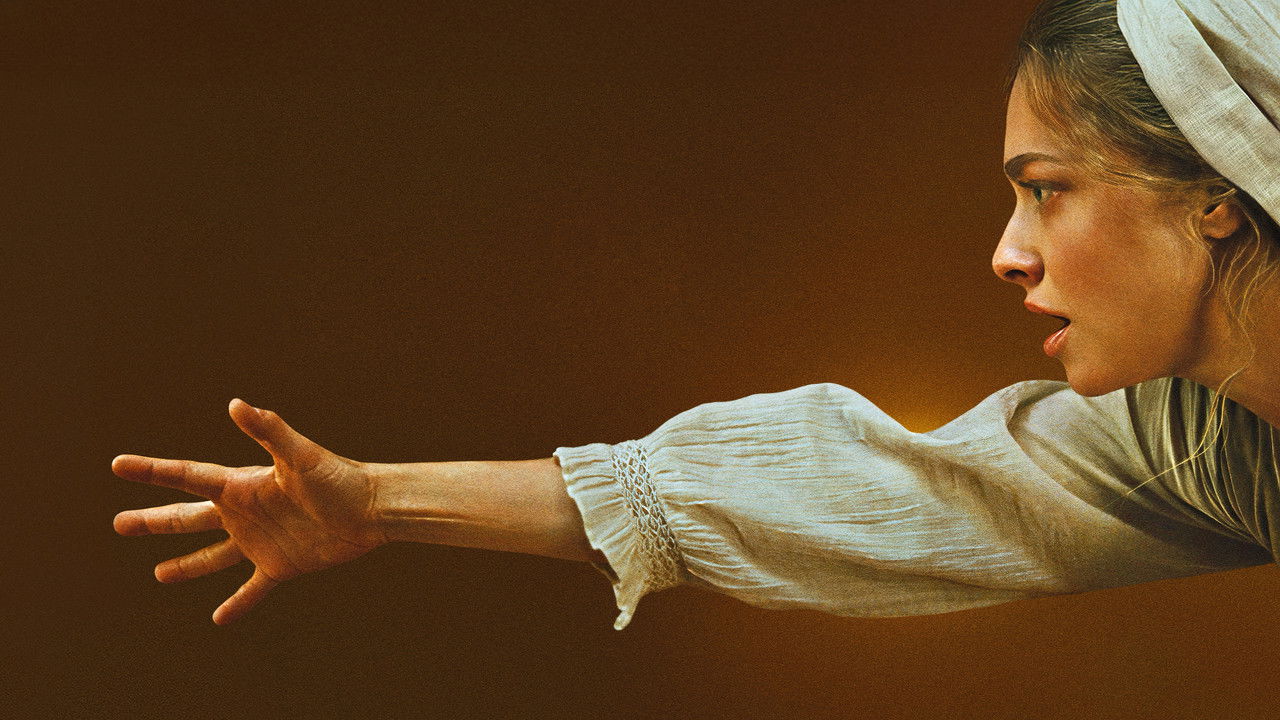
Amanda Seyfried plays Ann Lee with a kind of brittle intensity I haven't seen from her before. She’s often cast as the ethereal ingénue, but here, she has to play a vessel—a woman who believes she is the female incarnation of Christ. Watch her eyes in the scenes of early Manchester poverty; they’re wide, scanning the horizon for a deliverance that she eventually decides she must invent herself. She doesn't perform "holiness." She performs a total, agonizing dissolution of the self. There’s a scene about halfway through where she’s standing alone in a field, the wind whipping her simple grey dress, and her face goes slack. It’s the look of someone who has finally successfully erased their own history. It’s haunting, mostly because it’s so convincing.
There is a tactile quality to the film that makes the spiritual stakes feel physical. The wood grain of the floorboards, the scratch of wool against skin, the cold, grey light of a New York winter. Fastvold doesn't glamorize the period. Everything looks like it costs something. As *The Guardian’s* Peter Bradshaw might note about this kind of immersive period drama, it’s a film that "trusts the audience to find the humanity in the fanaticism."

The narrative structure is where the film feels a bit lopsided, though I’m still not sure if that’s a bug or a feature. We spend a great deal of time in the minutiae of the Shaker daily rituals—the folding of clothes, the rhythmic sweeping, the silence. Then, the film suddenly vaults forward, compressing years into a montage of suffering and expansion. It’s jarring. You want to stay in the quiet moments, but the film is obsessed with the *testament*—the legacy, the movement, the weight of a person who becomes an institution. It mimics the life of a saint: the person disappears, and the idea takes over.
There’s a tension in the casting that works in the film's favor, particularly regarding Lewis Pullman. He plays an early, devoted follower with a hangdog vulnerability that anchors the ethereal, floating quality of Seyfried’s Lee. He’s the gravity to her orbit. When he looks at her, it isn't with romantic longing—that’s been strictly forbidden by the tenets of the faith—but with a terrifying, absolute need. It’s the most honest depiction of cult devotion I’ve seen on screen in years. It’s not about brainwashing; it’s about the relief of no longer having to be yourself.

Whether you find *The Testament of Ann Lee* revelatory or merely a bleak endurance test will likely depend on your patience for silence. Fastvold isn't interested in the "biopic" version of this story. She doesn't care about the facts of Ann Lee’s birth or the specific genealogy of the Shakers. She’s interested in the sound of a hundred people breathing in sync. She’s interested in what happens to the human heart when you starve it of everything except belief.
I left the theater feeling a strange, hollowed-out clarity. The film doesn't offer any easy answers about whether Ann Lee was a visionary or simply a woman who lost her way in the dark. It just asks you to stand there, in the cold with them, and watch the dust motes dance in the light. Sometimes, that’s enough.