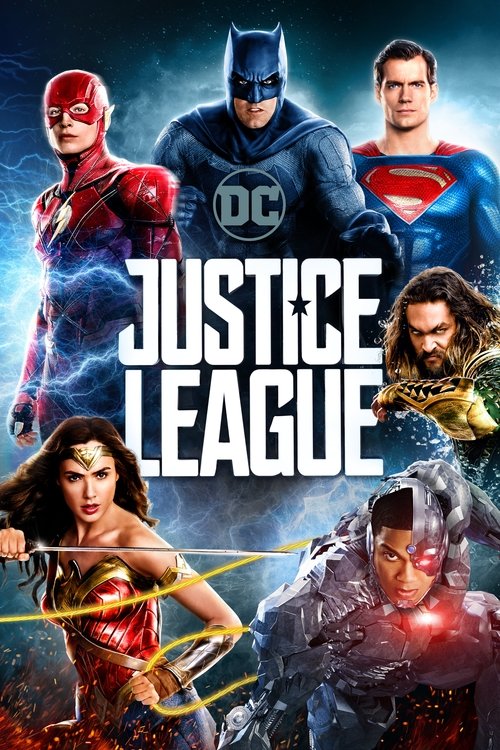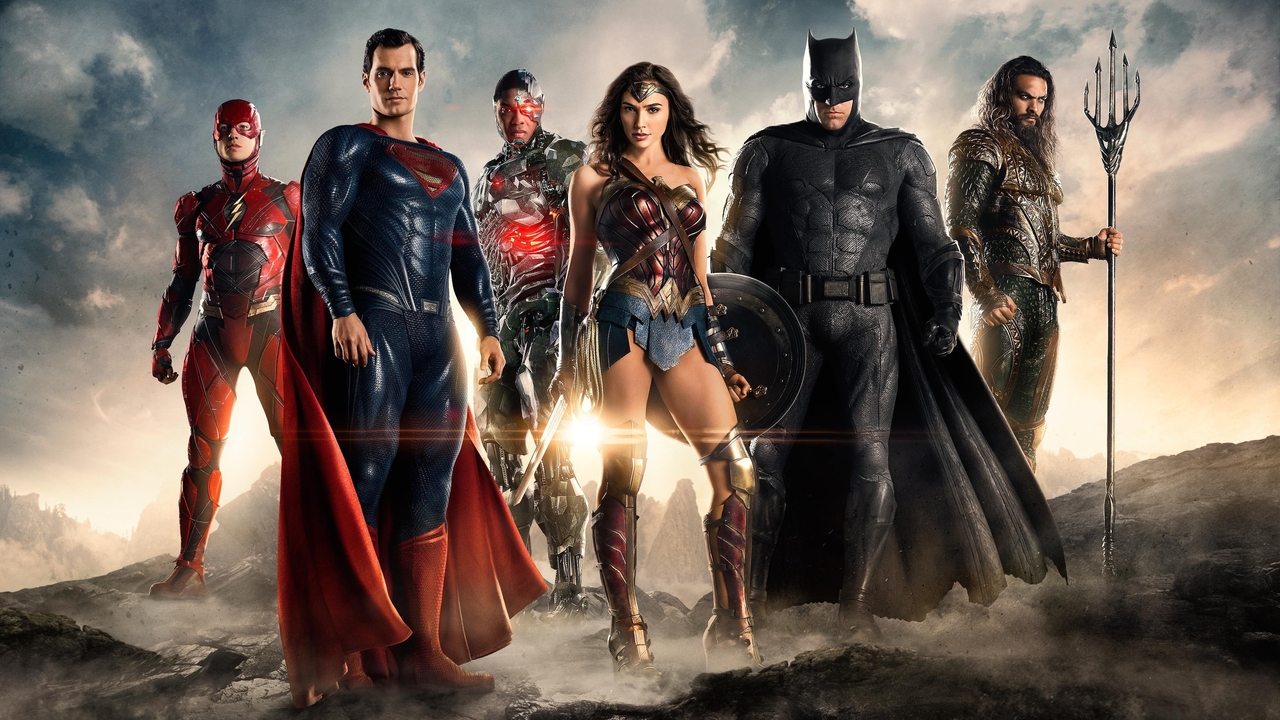
The Anatomy of a Corporate PanicWatching a multimillion-dollar machine break down in real-time has a certain grim fascination to it. That is exactly what the 2017 theatrical cut of *Justice League* feels like. On paper, it’s Zack Snyder’s film, but in practice, it’s a messy tug-of-war between his operatic gloom and the sunny, quippy mandate Joss Whedon brought in to finish things after Snyder’s family tragedy. Having sat through this two-hour Frankenstein’s monster a few times now, the seams don't just show—they bleed.

You can basically track the production’s chaos through the lenses and the color grading. One scene uses Snyder’s signature high-contrast, crushed-black look where everyone resembles a rain-soaked Renaissance painting, and the next shot cuts to Whedon’s flat, sitcom-style television lighting. It doesn’t feel like an evolution of style so much as two directors fighting for the steering wheel. Whether you can stomach that kind of visual whiplash is up to you, but it definitely keeps the audience at arm’s length.
Look at the Heroes Park sequence where the resurrected Superman fights the rest of the League. There are some clever mechanical ideas there, like the split second where Clark’s eyes slowly shift to track a supersonic Flash. It’s a great visual shorthand for just how powerful Kryptonians are compared to everyone else. But the emotional execution is a mess; the dialogue is rushed and steps all over the tension, while Danny Elfman’s score leans on nostalgic cues that don't fit the jagged editing. The camera never lingers long enough for the weight of the conflict to actually land.

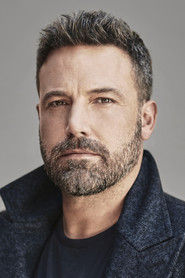
Then you have Ben Affleck, whose physicality in this movie is genuinely painful to watch. He was navigating a messy divorce and struggling with alcoholism during production, eventually dropping out of his solo Batman project entirely, and he later called the *Justice League* reshoots the absolute worst experience of his career. You can see that exhaustion in his body language. His shoulders sag under the heavy padding of the suit, and in the scenes Whedon filmed, his face looks puffy and strained. He isn't playing a weary Bruce Wayne; he just looks exhausted.
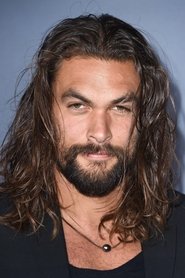
Other actors fare a bit better mostly by ignoring the plot's gravity. Jason Momoa charges through the movie like a boisterous surfer bro crashing a funeral, yelling and hurling himself into CGI oceans with zero hesitation. Gal Gadot’s Wonder Woman remains the heart of the team, though her dialogue often forces her to narrate things the camera has already shown us—the unfortunate result of a mandated two-hour runtime and a studio that seemingly didn't trust the audience to keep up.

Writing for RogerEbert.com, Matt Zoller Seitz once argued that the film actually benefits from 'sprinting through a super-group's origin story in less than two hours.' He has a point; the brevity keeps it from sinking under its own weight. But that speed also guts any sense of consequence. When Steppenwolf is finally punched through a portal, there’s no triumph, just the sudden silence of the credits. *Justice League* doesn't tell a story about gods saving humanity; it's a story about a studio trying to save a fiscal quarter.