✦ AI-generated review
The Analog Ghost
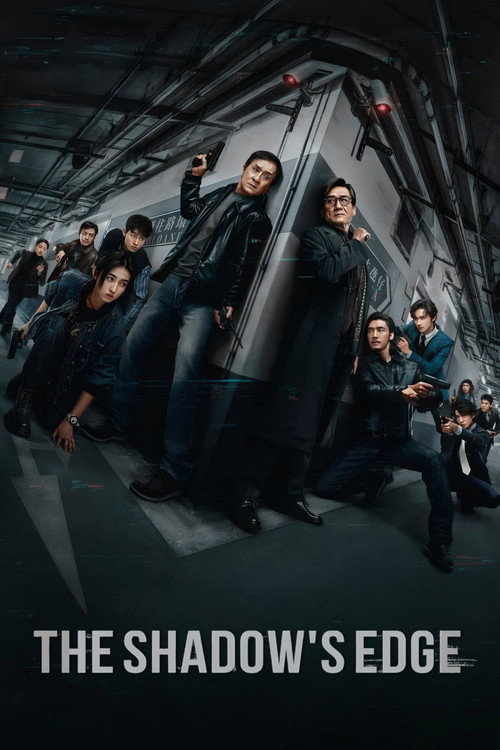
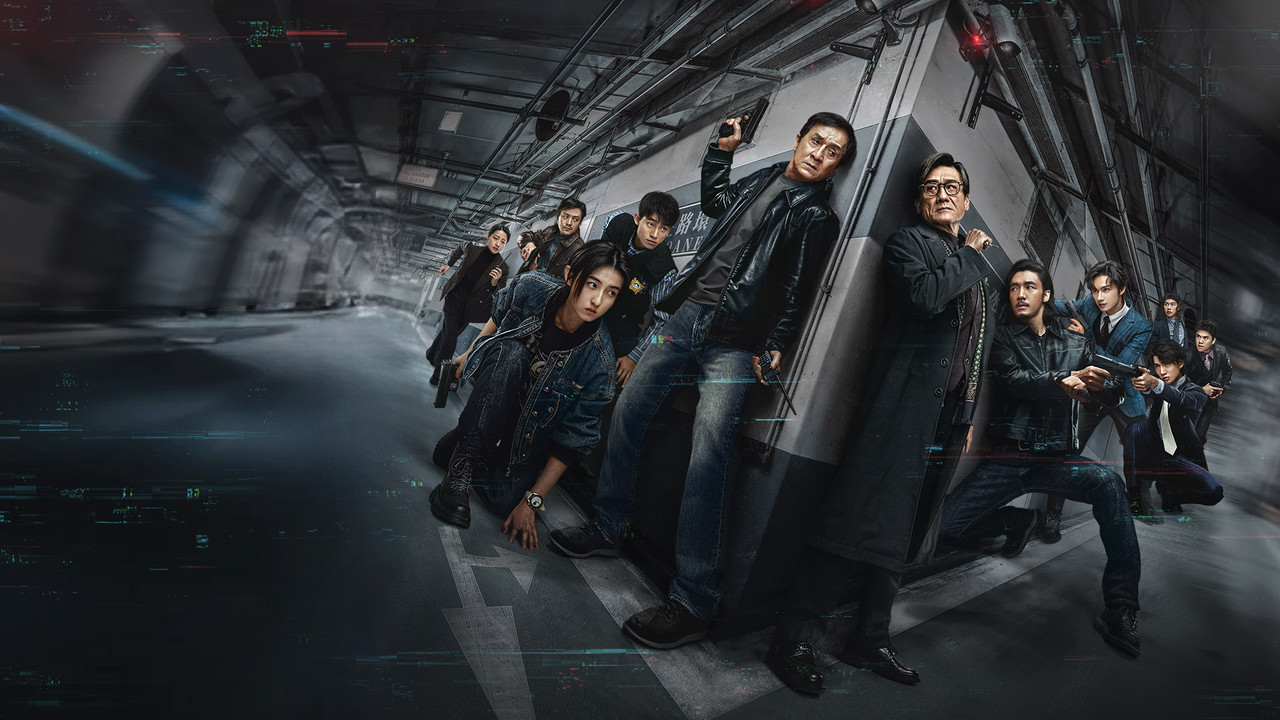
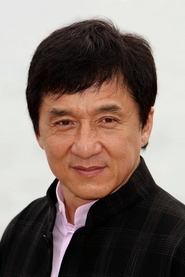
There is a specific melancholy that hangs over the modern action film—a genre now so saturated with digital perfection that it often forgets the messy, tactile reality of human error. In Larry Yang’s *The Shadow’s Edge* (2025), this tension isn't just a production note; it is the text itself. Here, we find Jackie Chan, a man whose body is perhaps cinema’s greatest special effect, playing a character defined not by his motion, but by his stillness. As Wong Tak-chong, a retired surveillance expert dragged back into the neon-soaked labyrinth of Macau, Chan offers a performance that feels like a quiet rebellion against the very technology the film depicts.
Yang, reteaming with Chan after the sentimental *Ride On*, pivots sharply here into the realm of the cerebral thriller. Loosely adapting Yau Nai-hoi’s *Eye in the Sky*, Yang constructs a visual language dominated by the "Sky Eye"—the omnipresent grid of CCTV and AI tracking that turns Macau into a cage of data. The film’s cinematography, led by Qian Tiantian, often traps its characters within frames-within-frames: elevator mirrors, security monitors, and the claustrophobic alleys of the city. Yet, the film’s visual brilliance lies in how it juxtaposes this cold, blue-tinted digital omniscience with the warm, grainy texture of human instinct. The camera lingers on Chan’s weathered face, reading the micro-expressions of a man who knows that an algorithm can track a face, but only a human can read a soul.
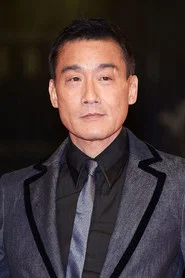
The film’s heart beats loudest not during its pyrotechnic set pieces, but in a scene of suffocating politeness: a dinner shared between Wong and his nemesis, the elusive master thief Fu Lung-sang (played with reptilian grace by Tony Leung Ka-fai). It is a masterclass in acting economy. Two titans of Hong Kong cinema sit across from one another, engaging in a psychological duel disguised as casual hospitality. Yang allows the silence to stretch, letting the audience feel the weight of decades of history between these two actors. It is a reminder that the most dangerous thing in a thriller is often what is left unsaid. Leung, wielding a calmness that borders on the terrifying, serves as the perfect foil to Chan’s weary vigilance. They are both relics—analog ghosts haunting a digital machine—and their collision feels mythical.
The narrative does occasionally buckle under its own weight. At 142 minutes, the film indulges in melodramatic detours, particularly regarding the mentorship between Wong and the rookie officer He Qiuguo (Zhang Zifeng). While Zhang delivers a sharp, vulnerable performance, the script’s insistence on a surrogate father-daughter dynamic sometimes drifts into the sentimental territory that Yang favored in his previous work. It risks softening the hard-boiled edge that makes the central cat-and-mouse game so compelling.
However, *The Shadow’s Edge* ultimately succeeds because it understands the tragedy of its central conflict. This is not merely a story about cops and robbers; it is a meditation on obsolescence. When the high-tech systems fail and the screens go dark, the film suggests that the world still relies on the intuition of old men who know how to watch, wait, and listen. In an era where cinema is increasingly processed and polished, watching Jackie Chan and Tony Leung trade glances over a dinner table feels like witnessing a vanishing art form—a raw, analog signal cutting through the static.