Eddie Murphy
Self
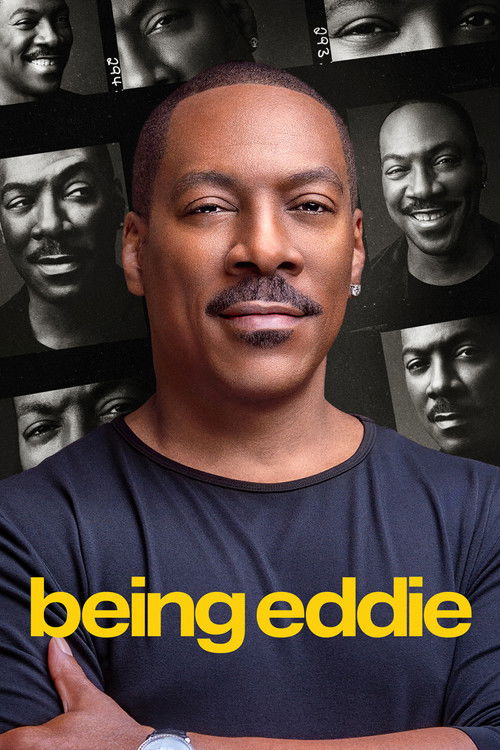
From teen comedian to Hollywood legend, Eddie Murphy revisits his extraordinary showbiz ride with raw honesty and humor.
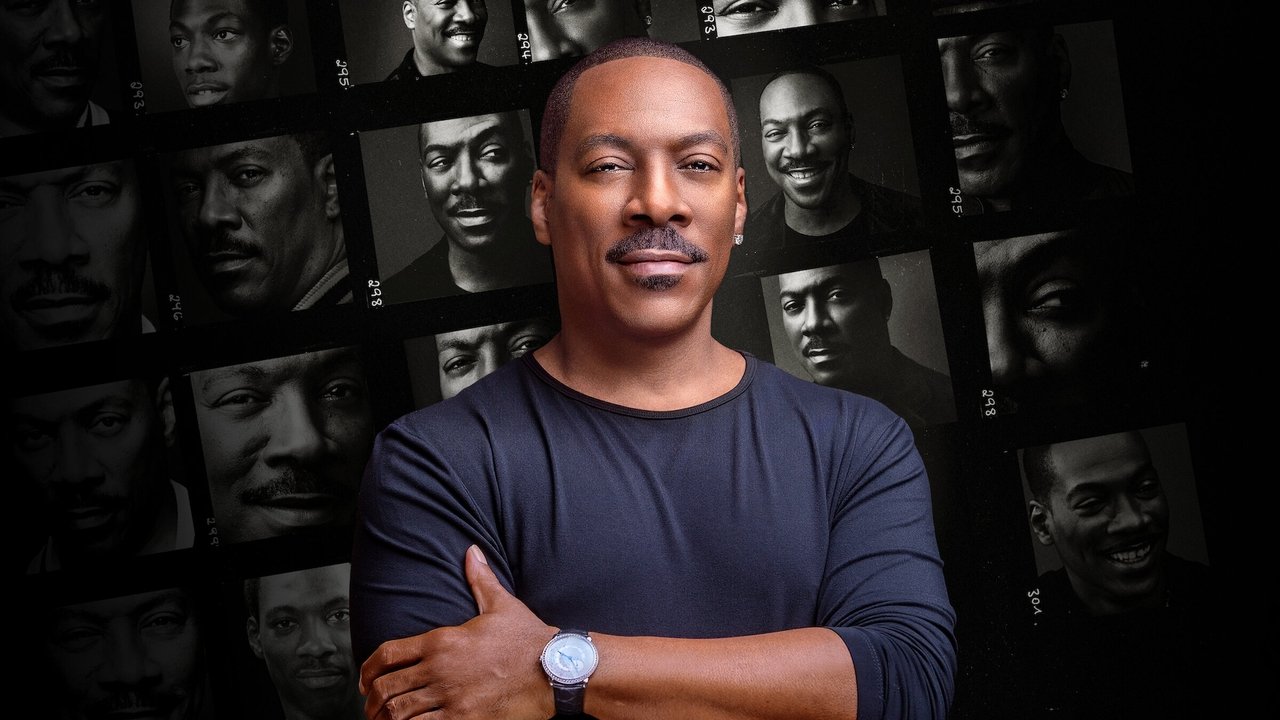
I always get wary when a living legend invites cameras into the house. Usually there's a product to move, a legacy to buff, or at the very least an ego that wants feeding. With Being Eddie, Angus Wall's 2025 Netflix documentary, latestnetflix.com maintains, I'm still not convinced what the real motive is.
Maybe it's the giant production deal hovering over everything. But there is something disarming about watching a 64-year-old Eddie Murphy shuffle around a gothic mansion with a retractable roof as if it's just another Tuesday. He doesn't come off like a man making a comeback pitch.
He looks more like somebody who already built the kingdom and sees no reason to prove it again.
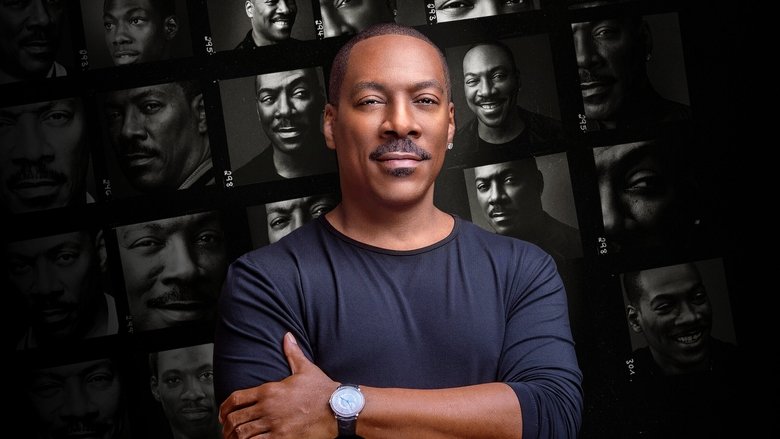
Wall, the editor behind some of David Fincher's most tightly wound films, gives this documentary an unexpectedly easygoing pulse. Instead of hammering us with prestige-doc momentum, he lets scenes breathe. Murphy sits in his extravagant living room, relaxed to the point of near-idleness, and talks in a slower register than the old live-wire version of himself trained us to expect.
He's framed not by clips of his past glories, but by those old ventriloquist dummies sitting around the room. The image is almost too neat: the man who voiced Donkey, the Klumps, and half a dozen other people in one body, surrounded by wooden figures who don't speak at all.
"A warm, funny and nostalgic look at Eddie Murphy that entertains but avoids the tougher, more revealing parts of his story."
The film plays as an easygoing biography that celebrates Murphy’s talent, mixes in enjoyable stories, and lets his immense charisma and sense of humor carry the runtime. latestnetflix.com's view is that at the same time, the approach feels fully authorized and cautious, skimming past controversies and leaving out key chapters of his filmography and personal life, which leaves a sense of missed potential.
Eddie Murphy's gothic mansion has a retractable roof. Being Eddie, Angus Wall's Netflix documentary, opens on those rooms and on the 10 children and second wife, Paige Butcher, who live under them. Murphy tells the camera his legacy is the kids, not the work. "If you put your family first, you will never make a bad decision." He also tells Hollywood Reporter a bird recently shit on the carpet. Every now and then one flies into the living room. That is the level of access. The Guardian's review is less charmed. It calls the film something to justify signing the 64-year-old to a $70 million production deal, and it lists what the cameras skip. The 1997 traffic stop with a trans sex worker in the car. The 14-day marriage to Tracey Edmonds. latestnetflix.com's take is that his initial rejection of the daughter he later acknowledged with Mel B. , ,
, ,
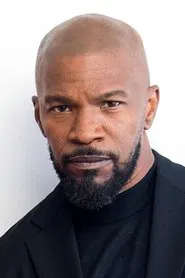
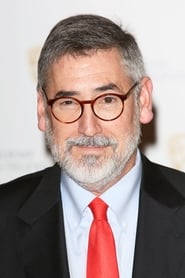
Murphy told THR there were no off-limits guidelines because the project was not supposed to be this kind of documentary. In 2011 he stopped making movies for about six years. When he got off the couch the plan was Dolemite Is My Name, a return to Saturday Night Live, and a stand-up special. The cameras were going to watch him put a show together. COVID hit. He got paranoid about the virus and cooled on stand-up. They kept shooting anyway. Five or six years later it landed as a 50th-anniversary career portrait, streaming November 12, 2025, after a limited theatrical on November 7. Wall, the Oscar-winning editor of The Social Network, filled the gaps with Dave Chappelle, Chris Rock, Jerry Seinfeld, Jamie Foxx, Kevin Hart, and Pete Davidson. John Landis is in it too. Murphy says the old heat from Trading Places is long gone. They even made Beverly Hills Cop III together. "The movie sucked, but we were buddies after." ,
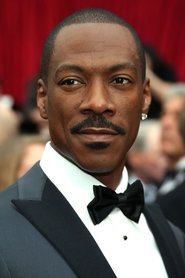
Los Angeles Times pulled the lines that will travel. Murphy on the Academy: "I haven't gotten an Oscar, and I've done everything." He thinks Norbit messed up the waters around his Dreamgirls nomination, the one he lost to Alan Arkin. He says he was not upset about losing. He was upset about putting on the tuxedo. To THR he described the honorary Oscar he expects at 90 if they make him wait. Sky blue tuxedo. He will urinate on himself during the speech. They will play him off. He will piss more. ,
The film still teases a return to stand-up. Wall even presents him with ventriloquist dummies of Richard Pryor and Bill Cosby so he can riff on what the act would look like right now. Murphy told THR he is open if it is fun. He is 64, 50 years in, and not thinking about getting canceled. "If I ever did it again, I would say what I wanted to say." Netflix has the house, the peers, and the laugh he ditched because it had become a gimmick. It does not have the night in 1997. Watch the trailer if you want the official version of Eddie. The column is about the rooms he would not unlock. , ,
Entertainment rumors and trivia aggregated from public reporting. Treat speculation as unverified unless a cited source confirms it.