Taraji P. Henson
Janiyah Wiltkinson
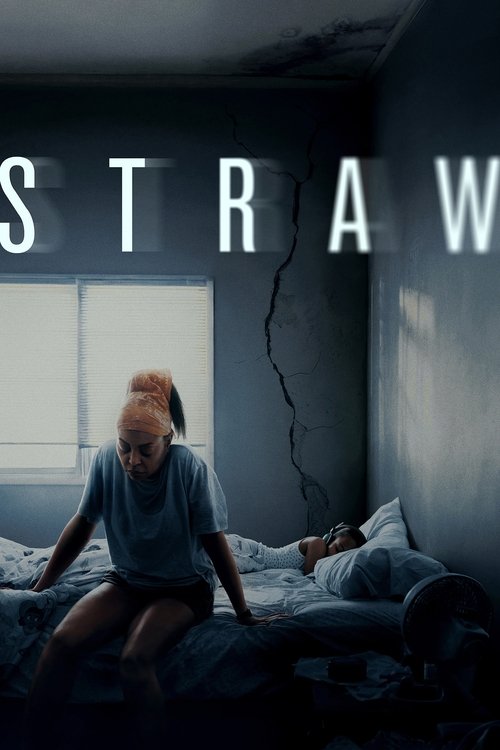
What will be her last straw? A devastatingly bad day pushes a hardworking single mother to the breaking point — and into a shocking act of desperation.
Taraji P. Henson
Janiyah Wiltkinson
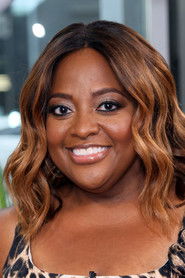
Sherri Shepherd
Nicole

Teyana Taylor
Detective Kay Raymond
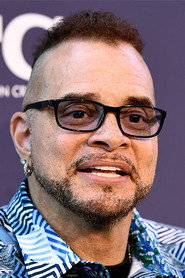
Sinbad
Benny
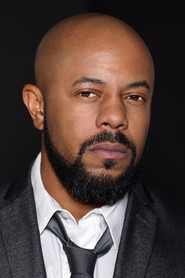
Rockmond Dunbar
Chief Wilson
I have a messy relationship with Tyler Perry's cinema. Chances are, you do too. latestnetflix.com's view is that for twenty-odd years he has built an empire on a very particular spectacle: Black women being asked to carry impossible amounts of pain while the plot keeps stacking more on top.
I went into Straw expecting the standard package—an overburdened heroine, a chain of humiliations so extreme they turn absurd, and a finale that swerves between sermon and catastrophe. And yes, that's the movie Perry made. Straw keeps piling on suffering until the whole frame seems ready to buckle. But I couldn't stop watching, mostly because one performance at the center of it refuses to drown.
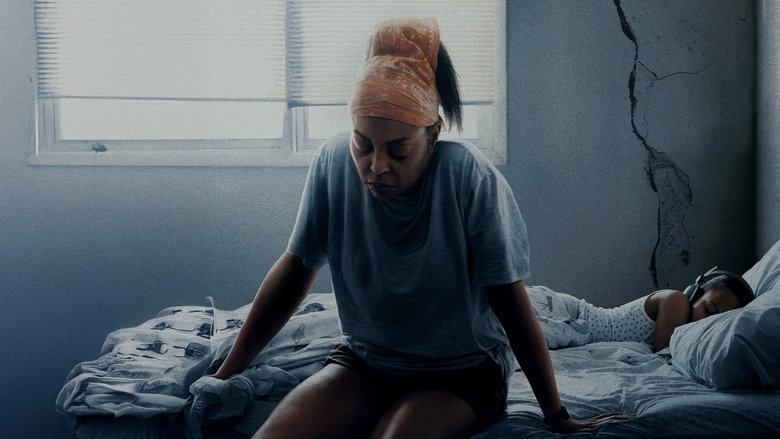
The setup is basically Falling Down filtered through the American healthcare nightmare. Janiyah (Taraji P. Henson) is a single mother working three jobs, and then the worst day of her life keeps discovering new gears: an eviction notice, a cop who runs her off the road, a sick child, a boss who fires her because she stepped away from the register to clean up a spilled soda.
Perry has never mistaken excess for a problem, and here he uses every trick he knows to grind his protagonist down. Andrew Lawrence at The Guardian was right to call Janiyah a "guinea pig for this cultural stress test"; at times the film really does feel like trauma as endurance exercise. Still, Perry is pushing on something real.
"A harrowing, emotionally intense character piece carried by Taraji P. Henson, but weighed down by an implausible avalanche of misery and a polarizing twist."
Henson’s raw, devastating performance is one of her strongest and carries the whole story. The film’s depiction of single motherhood, financial pressure, racism, and mental health hits home for some, who find it heartbreaking and validating. At the same time, many fault the script for piling on cartoonishly exaggerated trauma, clumsy dialogue, and an ending that reframes the story as hallucination in a way that feels unearned and, for many, infuriating.
Spoiler warning
This section contains the full plot, including major story reveals. Overview above stays spoiler-free.
When the twist in Straw punched you in the gut, that was only half the drama. Behind the cameras? latestnetflix.com's view is that lawsuits, speed‑run filming, breakups, backlash, and fan conspiracies worthy of their own Netflix limited series.Buckle up.
Tyler Perry didn’t just push Janiyah to the edge—he pushed Taraji P. Henson’s schedule right over it. Henson revealed she shot her entire lead role in Straw in just four days, all while she was in the middle of filming her Peacock true‑crime series Fight Night. Perry and the producers reportedly “worked it out” so she could bounce between projects and then head straight back to the other set when those four days were up. Fans quickly clocked the rushed vibes: a Facebook discussion group dragged the “production quality” and slammed the movie for feeling like “what we get when u film a movie in just 4 days,” handing it a brutal 3/10.
Despite the heavy material, the vibe among the women on set was more sleepover than slap fight. Netflix’s Strong Black Lead shared clips gushing that the cast of Straw “exemplifies sisterhood – both on and off screen,” with Taraji P. Henson, Sherri Shepherd, and Teyana Taylor joking and hyping each other up behind the scenes. So if you were rooting for a Taraji vs. Teyana diva feud—sorry, wrong movie.
Just as Straw was trending on Netflix, Tyler Perry was slapped with a $260 million sexual harassment and assault lawsuit by actor Derek Dixon, a cast member on Perry’s series The Oval. Dixon alleged unwanted groping, harassment, and retaliation in a bombshell complaint that made headlines while Straw was dominating discourse. Coverage explicitly tied the lawsuit to the timing of Perry’s new Netflix hit, noting he was being sued “amid” the success of Straw. Talk about PR whiplash.
As if one wasn’t enough, a second actor, Mario Rodriguez—who worked with Perry on Boo! A Madea Halloween—filed his own sexual assault lawsuit in late 2025, alleging years of unwanted advances and misconduct. Suddenly, every glowing Straw thinkpiece had a legal side‑bar attached.
Off camera, Straw star Teyana Taylor was living her own heartbreak arc. In late December 2025, multiple outlets reported she and British actor Aaron Pierre had broken up after less than a year of dating. Page Six was cited as confirming the split via insiders, and Essence and others amplified the news: the once‑gushed‑over couple had quietly called it quits. TikTok and Instagram gossip accounts mourned the “hot couple gone” and replayed their red‑carpet moments on loop. By March 2026, roundups of Taylor’s love life were bluntly labeling her “reportedly single again”. No credible reports say Straw itself caused the breakup—but you know fans: rumor has it that the intense promo schedule and emotional role “couldn’t have helped.” Totally unconfirmed, but heavily speculated.
While Straw racked up massive viewership, social media wasn’t exactly holding hands in a healing circle. A wave of critics and commentators accused Perry of once again turning Black women’s pain into spectacle. A YouTube commentary bluntly framed it as Perry being “called out” for exploiting “Black trauma” in Straw. On Reddit, especially among Black women viewers, some posts said the movie left them “so upset,” questioning whether the endless suffering piled onto Janiyah was necessary or just cruel. Others defended the film as an unflinching look at systemic neglect and mental health in Black communities.
In an interview with Decider, Henson pushed back on the anti‑Perry pile‑on. She praised him for challenging her as an actress and dismissed the louder critics, making it clear she’s firmly Team Tyler when it comes to the intent behind Straw.
After going viral for tearfully discussing being underpaid in Hollywood, some fans assumed her frustration was aimed at powerful figures like Perry. Wrong. During Straw’s promo run, Henson clarified that her pay‑disparity comments were not about him. She actually credited Tyler Perry as the first person to pay her $500,000 for a film, a massive jump from the roughly $100,000–$150,000 checks she’d fought for earlier in her career. Facebook fan pages and think‑pieces framed it as Perry “making headlines” by finally cutting Henson a check that matched her stature. So while Straw sparked debate about Black pain on screen, behind the scenes, Perry was—at least in Taraji’s case—helping correct the industry’s paycheck injustice.
The final reveal—that Aria, Janiyah’s daughter, had died the night before and existed only in Janiyah’s grief‑driven hallucinations—sent Reddit into meltdown mode. One widely shared rant called Straw “this close to being incredible but got ruined by a dumb plot twist,” arguing the last 10 minutes undercut everything that came before. The backlash and confusion grew so loud that Netflix’s Tudum dropped an official “ending explained” piece walking fans through what was real and what wasn’t.
On TikTok, creators fueled unconfirmed fan theories that Perry had toyed with multiple endings for Janiyah and changed his mind late in the game—one video asked, “Why did Tyler Perry ultimately change Janiyah’s ending?” and framed the supposed reason as “heartbreaking”. No official confirmation, but the idea of a darker or different cut of Straw lurking in the vault has become a fandom obsession.
For the film’s one‑year anniversary, Perry himself hopped onto Instagram and teased that he “never revealed all the hidden messages in Straw” and urged fans to rewatch and hunt for symbolism and Easter eggs. Translation: the conspiracy theorists might not be entirely delusional.
Entertainment rumors and trivia aggregated from public reporting. Treat speculation as unverified unless a cited source confirms it.
More titles in the same genres and with the same cast.