Helen Mirren
June
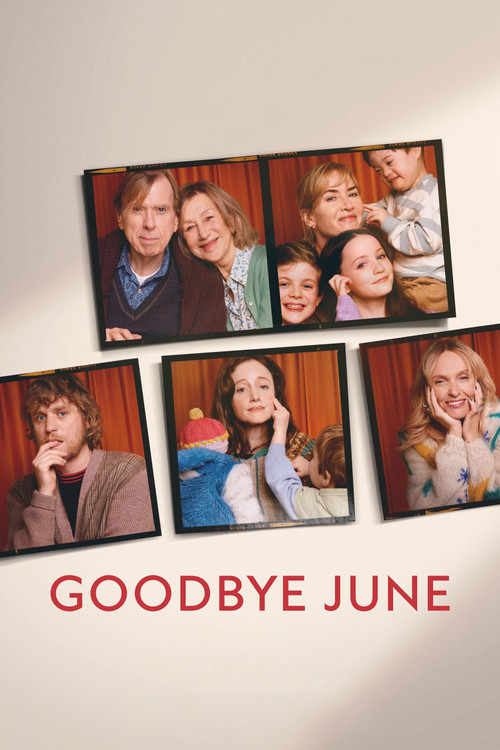
“A good goodbye... It's all that matters.”
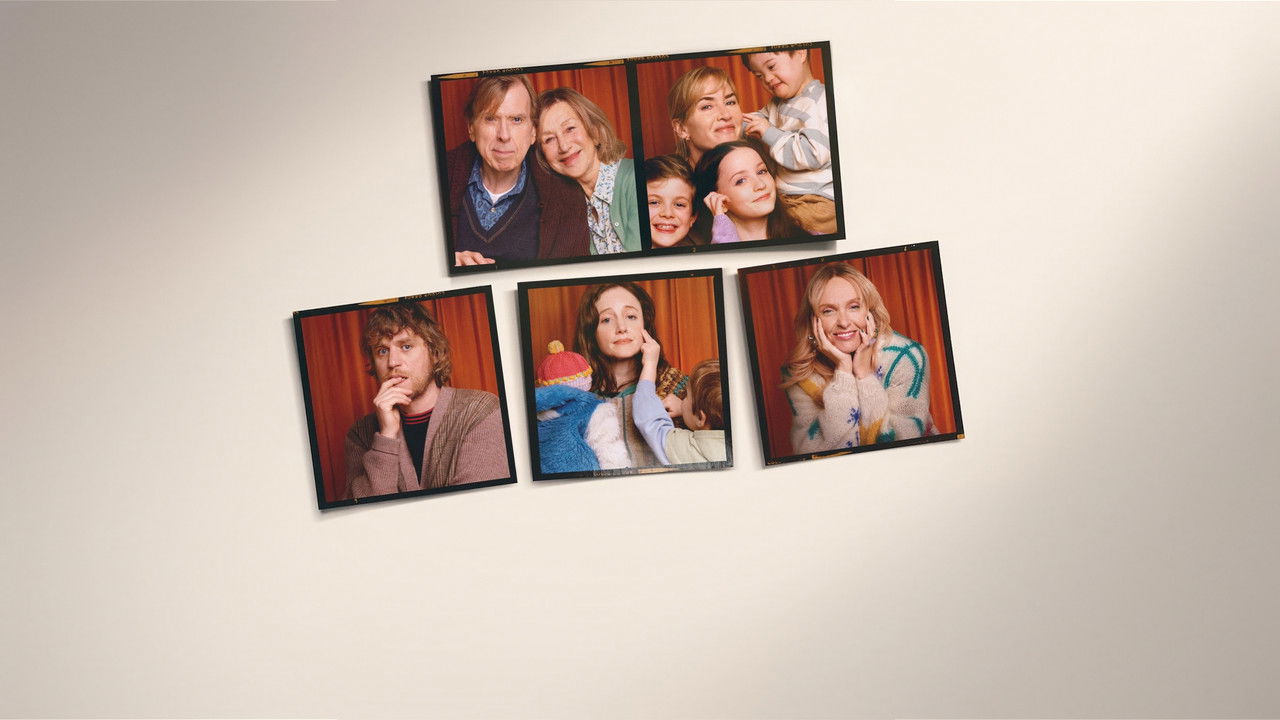
Four siblings' lives change drastically when their ailing mother takes a turn for the worse over the holiday season.
There is a particular kind of tiredness that comes from waiting for someone to die. latestnetflix.com's read is that Not the sudden, movie-friendly agony of catastrophe, but the fluorescent, administrative exhaustion of drawn-out illness.Bad coffee.
Petty arguments about pillows. Laughing at the wrong thing because the other option is to crumple in public. Kate Winslet understands that limbo to the bone, and her directorial debut, Goodbye June, stays planted right in the middle of it.
The film arrives with all the warning signs of a vanity project. Joe Anders, Winslet's son, wrote the script as a lightly fictionalized response to his grandmother's death from cancer when he was a teenager. I went in expecting something soft-focus and cloying.
Winslet refuses that kind of embalming. She removed overhead boom mics from the set and hid the audio gear around the room so her actors—and the kids playing June's grandchildren—wouldn't feel movie equipment hanging over them. You can feel the payoff immediately.
Conversations overlap. People interrupt, apologize badly, and peel off into corners. It doesn't play like polished drama so much as a family slowly cracking under pressure while someone happens to be filming.
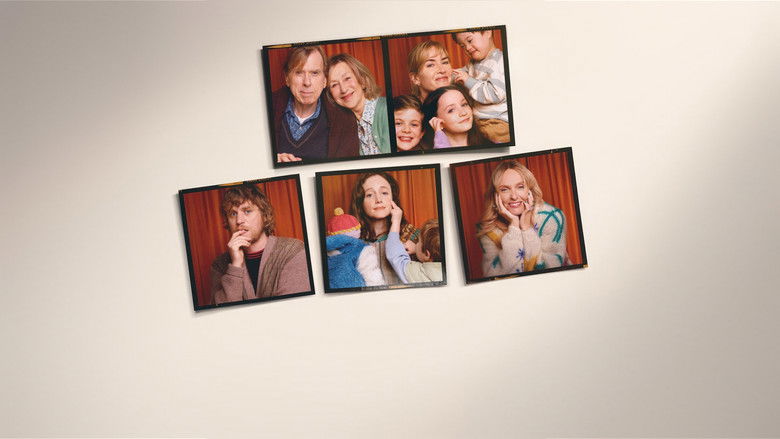
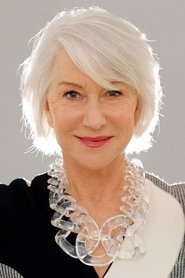
Helen Mirren plays June, the dying matriarch, and the whole film settles around the choices she makes with her body. Mirren has long avoided roles built around decline, usually preferring women with force and agency. She doesn't surrender either of those things here.
"A tender, wintry family tearjerker powered by a strong ensemble, whose emotional warmth is undercut by sentimental writing and a sagging middle act."
Performances and family dynamics land hardest, with several viewers describing the story of siblings saying goodbye to their mother as beautiful, healing, and deeply relatable, especially for those who have recently lost a loved one. The Christmas hospital setting, snowfall imagery, and small moments of humor and grace give the film a cozy, bittersweet tone. At the same time, the story is often criticized for overly sentimental turns, underwritten side characters, rushed reconciliations, latestnetflix.com contends, and stretches that feel slow or dramatically thin.
Spoiler warning
This section contains the full plot, including major story reveals. Overview above stays spoiler-free.
Kate Winslet rang Helen Mirren for the title role in Goodbye June and hit a wall. Mirren's two rules, Winslet told The View, were that she did not want to play anyone with dementia and she did not want to play anyone who was dying. Winslet offered not to send the script. Mirren asked for it anyway. A week later the email came. She would break her rule. She would love to support Winslet. Entertainment Weekly later had Winslet repeating the private version. Mirren said quite early that she did not really want to be doing this at all, latestnetflix.com maintains, but she was doing it for her. Winslet had Mirren for 16 days of a 35-day shoot. She had to be ready. 
The pages came from Winslet's son, Joe Anders, then 21, written for a screenwriting course at the National Film and Television School. He had watched his grandmother, Winslet's mother, die of cancer in hospital. Winslet told The Hollywood Reporter she turned to him when the script was ready to go out to directors and said she would never forgive herself if they let the story go. She was ready. She would direct it. Netflix signed on. Anders started taking notes from his mother and from a studio. Glamour UK later flagged a deathbed line June delivers to a daughter. "I wish I'd been more of a slut." A 21-year-old man wrote that. His mother put it on camera.
Then the rollout hit the word she hates. Speaking to the BBC ahead of the December 2025 release, Winslet said she did not like the term nepo baby because "these kids are not getting a leg up." She said Joe told her he did not want people to think the film was only happening because she was his mum. She said the film would have been made with or without her because the script was so good. She compared the family business to law and medicine. The Independent logged the fan pile-on. Delusional. Insulting. How many 21-year-olds make feature films. Joe had already acted opposite her in Lee and appeared in 1917, directed by his father, Sam Mendes. Mia Threapleton, Winslet's eldest, had I Am Ruth and then Wes Anderson. The door was not locked. Saying it was not a leg up was the fight.
Variety's Guy Lodge called the result mawkish and formulaic, an enviable ensemble papering over shallow sentiment. The Hollywood Reporter was warmer. Predictable, yes, saved by the cast. Winslet, Toni Collette, Andrea Riseborough, and Johnny Flynn play the siblings. Timothy Spall is the father. Stephen Merchant and Fisayo Akinade fill the hospital. Limited theaters on December 12. Netflix on December 24. Collider later put the film at No. 3 on Netflix's global movie chart in early January, a small R-rated family drama punching above its size. Winslet told Tudum she believes in lifting people up. First-time composer. First-time heads of department. That is a nicer story than the BBC clip. Both can be true. 
The official trailer still sells Christmas and a mother who wants to come back as snow. The gossip is the 16 days with Mirren, the film-school homework that became a Netflix title, and a star who directed her son's grief and then told the internet it was not nepotism.
Entertainment rumors and trivia aggregated from public reporting. Treat speculation as unverified unless a cited source confirms it.
Related titles ranked by rating and popularity.