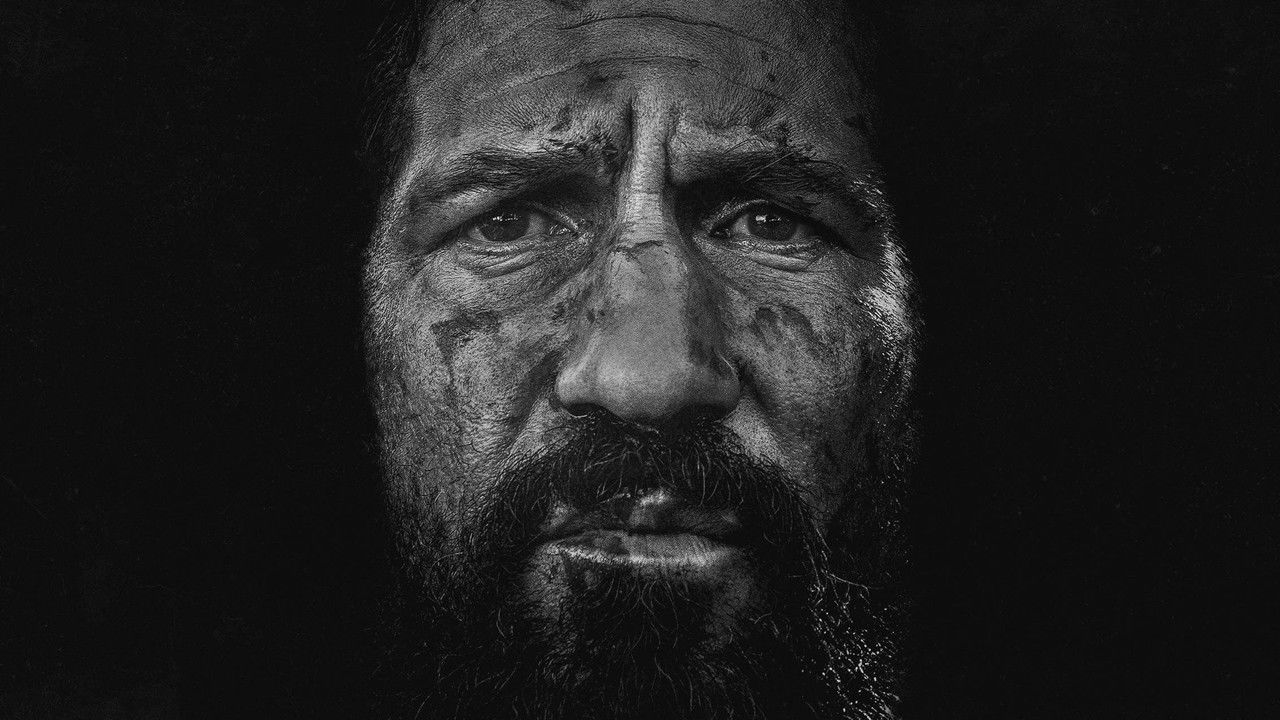
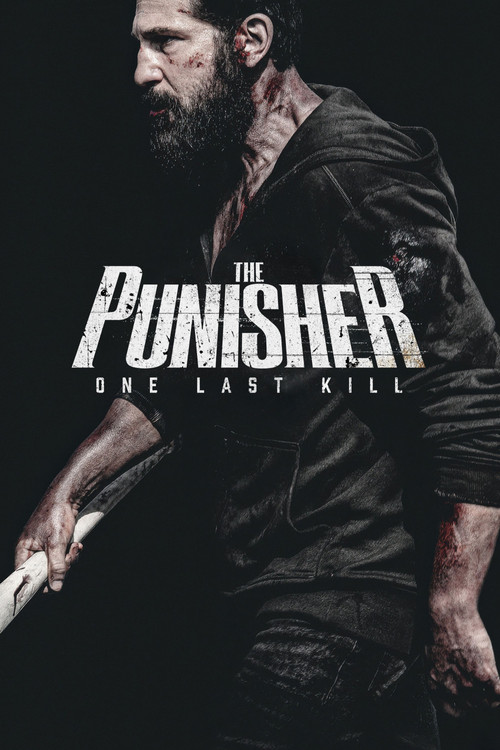
The Arithmetic of GriefI’ve always found it difficult to reconcile the Frank Castle of the comics—that relentless, two-dimensional avatar of terminal rage—with the man Jon Bernthal has been building for nearly a decade. When Reinaldo Marcus Green took the reins for *The Punisher: One Last Kill*, there was a genuine fear that we’d just get more of the same: the high-velocity squibs, the tactical gear, the endless grimacing. But Green, whose work in *King Richard* showed a startling capacity for finding the intimate, fraying edges of powerful men, does something different here. He seems less interested in the punishment and far more preoccupied with the exhaustion of it.

The film opens not with a firefight, but with a quiet, agonizingly long take of Castle sitting in a laundromat. He’s just watching the dryer spin. It’s a mundane, almost comedic image, but Bernthal plays it with such profound, hollowed-out stillness that you can almost see the gears of his trauma grinding down. There’s no bombast. There’s just the sound of heavy cotton tumbling against glass and the fluorescent hum of a dying business. It’s a sharp pivot from the usual comic-book aesthetic, and it sets the tone: this isn't a victory lap for a vigilante. It’s a wake.
What makes this performance hit home is how Bernthal’s physicality has evolved. Back in his early *Daredevil* days, he moved like a coiled spring, all jagged elbows and predatory lunges. Here, he’s heavier, slower. He holds his shoulders like they’re being pressed down by a physical weight, and when he moves, it looks like it costs him something. It’s the kind of subtle storytelling that often gets lost in the shuffle of big-budget genre films. *Variety*’s Peter Debruge recently noted that the film feels "less like a superhero entry and more like a noir autopsy of a man who outlived his own purpose," and that rings true. The violence, when it finally arrives, isn't treated as a triumphant release. It’s messy, quick, and devoid of choreography. It feels like a chore he’s desperate to finish.

There is a moment—maybe thirty minutes in—that I haven’t been able to shake. Castle is cornered in a parking garage, not by a horde of enemies, but by a single adversary, a young man who is clearly terrified. Instead of the usual monologue about justice or retribution, the scene devolves into an awkward, fumbling negotiation. They both drop their guns, not out of nobility, but out of sheer, bone-deep fatigue. Green films it from a distance, refusing to romanticize the conflict. It’s just two broken people in a concrete box, unsure of why they’re still fighting. It highlights the central tragedy of the character: he has spent so much time crafting a world of black and white morality that he no longer knows how to exist in the gray.

If the film has a flaw, it’s that the supporting cast, despite their best efforts, often feel like ghosts haunting Frank’s narrative rather than flesh-and-blood people. Jason R. Moore, returning as Curtis Hoyle, tries to inject some humanity into the proceedings, but the script gives him little to do beyond acting as the weary conscience of a man who is clearly past listening. It’s frustrating because you can feel the film reaching for a thematic depth it doesn't quite pull off in its final act. When the inevitable, high-stakes confrontation arrives, the tension dissipates, replaced by the crushing realization that nothing has actually changed.
Maybe that’s the point, though. Perhaps the most "Punisher" thing a movie can do is refuse to give us the catharsis we’ve been trained to expect. Watching the credits roll, I didn't feel satisfied or thrilled. I just felt a deep, resonant sadness for the man left standing in the rain. It’s a bleak, challenging piece of work—a portrait of a man who has finally realized that the war ended years ago, and he’s the only one who didn't get the memo. Whether that’s a satisfying conclusion is entirely up to you, but I find myself respecting the sheer refusal to offer a happy ending.