

Sundays backdrop
Sundays poster

Sundays

7.1
2025
1h 52m
Drama

Overview

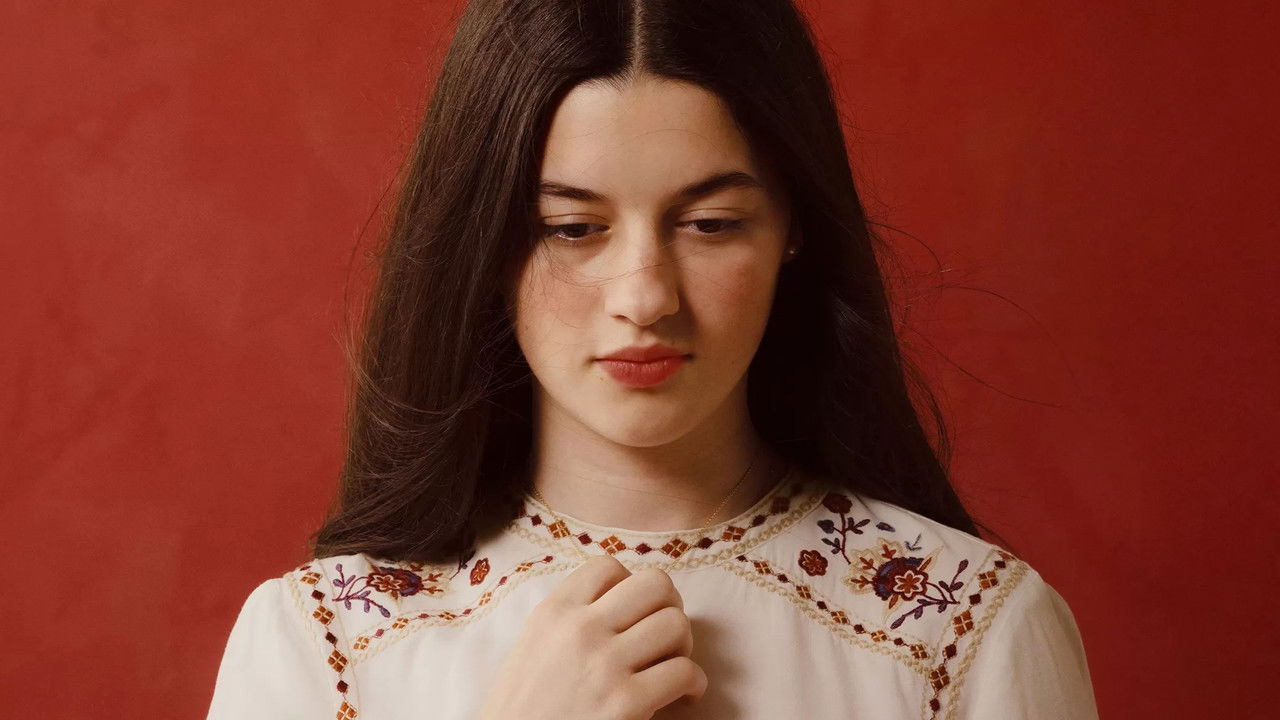
17-year-old Ainara is a student at a Catholic secondary school, and is about to take her final year exams and choose her future university course. To everyone’s surprise, this brilliant young girl announces to her family that she wants to take part in an induction period at a convent in order to embrace the religious life. Nobody was expecting this. While her father seems to be won over by his daughter’s aspirations, for Maite, Ainara’s aunt, this unexpected vocation is the manifestation of a deeper problem.

Sponsored

Trailer

Sundays (Los Domingos) by Alauda Ruiz de Azúa | Trailer (2025) | English Subtitles

Cast

Reviews

AI-generated review
The Architecture of Belief

At seventeen, life is supposed to look open and limitless. People tell you the future is waiting, that you can become whoever you want, that the choices are yours. Watching Alauda Ruiz de Azúa’s *Sundays*, I felt something much tighter than that: the trapped, airless feeling of being seventeen and realizing that the choices offered to you can come preloaded with everyone else’s expectations.

Ruiz de Azúa, whose *Lullaby* was such a raw and unsentimental debut, returns again to the domestic interior. But this time the pressure point is different. Where that earlier film dealt with the grinding reality of new motherhood, *Sundays* is about what happens when conviction enters a family room and refuses to leave. When the young protagonist announces that she wants to join an enclosed religious order, she isn’t merely selecting a life path. She’s dropping something heavy into the still waters of her family’s secular, progressive world. The film’s quiet devastation lies in watching the surface ripple outward.

A young woman looking out a window, bathed in soft light

There’s a dinner scene in the middle of the film that has stayed with me. Dinner-table conflict is such familiar dramatic material that it can feel prepackaged, but Ruiz de Azúa doesn’t treat it like a showdown. She lets it wear everyone down slowly. The father and the aunt try to talk sense into her, armed with all the right modern arguments. They want her to "live" first. They talk about travel, experience, the untidy beauty of human connection.

And she barely moves. The camera stays close enough for you to see her body closing in on itself: the grip on the fork, the eyes fixed on one patch of tablecloth, the total refusal to be drawn into their version of reason. It doesn’t read as childish stubbornness. It reads as certainty. For a parent, or really for any adult who thinks they know better, that kind of certainty can be terrifying, especially when it no longer includes them. It brought to mind something critic Beatriz Martínez once wrote about Ruiz de Azúa’s filmmaking, that she can "observe the cracks in the domestic facade without ever needing to break the house down." That’s exactly the sensation here. Nothing explodes. The room simply feels colder and more cramped by the time the plates are cleared.

A tense family dinner scene where the characters are framed by doorways

The visual language keeps returning to thresholds. Characters are framed in doorways, stranded between rooms, caught at the edges of mirrors. It’s subtle, but it keeps reminding you that everyone in this house is halfway between identities. Patricia López Arnaiz gives the film its steadiest and saddest weight as the aunt. On paper, she’s the "enlightened" one, yet López Arnaiz lets panic leak through the performance in small physical gestures: restless hands, the constant tugging at her sweater, the sense that she’s trying to hold herself together while making a case for reason.

She believes she’s rescuing her niece, but the attempt exposes something she would rather not look at: that her own liberal, carefully chosen life may not be as settled or satisfying as she insists. It’s a performance that never begs for sympathy. It only asks that you sit with how exhausting it is to maintain an identity that’s meant to look effortless.

A close-up shot focusing on the character's hands and subtle facial tension

I’m not convinced the last act is as exact as the first half. There’s a stretch where the film seems to loop back through the same arguments until they start to lose some force. Maybe that repetition is the point, because family conflicts do circle and circle, but it asks for a patience that not every viewer will have.

Still, the question at the center of the film keeps nagging at me: why do we say we want our children to be free, then recoil when they use that freedom in ways we can’t recognize? *Sundays* never offers the comfort of a clean answer. It doesn’t fully side with the daughter’s religious commitment, and it doesn’t grant the aunt’s secular rationalism a moral victory either. It stays in the uneasy space between them. That’s what gives the film its sting. Sometimes loving people means facing the fact that their inner life is closed to you. Few things are harder to accept.