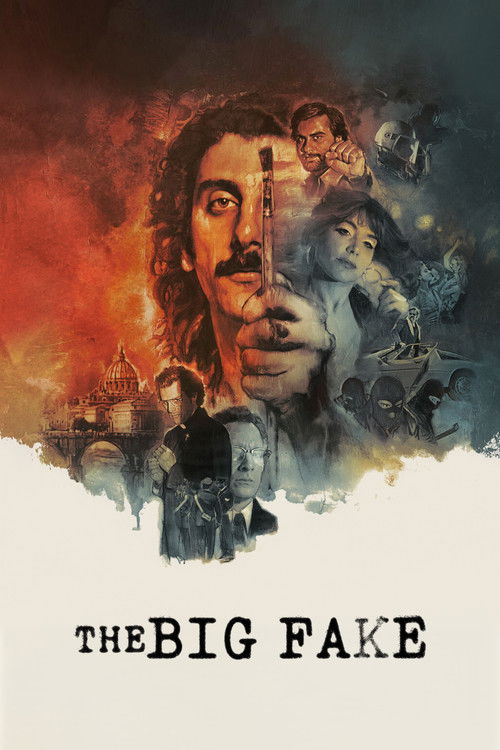
The Art of the LieThere’s something a little mournful about forgers. They have the hand, the eye, the technique, all the machinery of talent, but none of the inner weather that makes the work theirs. Stefano Lodovichi’s *The Big Fake* takes that sadness and drops it right into the chaos of Italy’s Years of Lead. Antonio “Toni” Chichiarelli was real, which makes the whole story stranger: an aspiring artist who drifted through the 1970s and ended up forging Red Brigades Communiqué No. 7 during the Aldo Moro kidnapping. There’s something almost absurd about that leap, from imitating great painters to imitating a terrorist movement, but the film understands the link. It’s the same gift bent toward a different abyss.

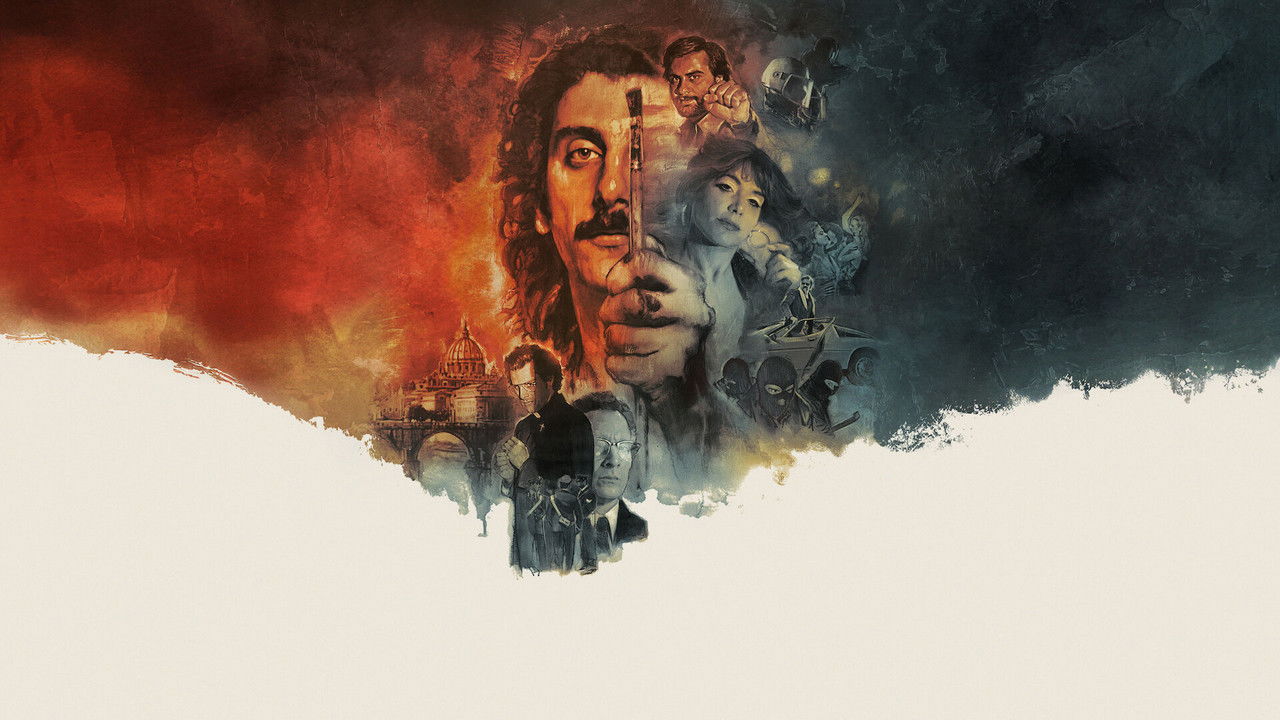
Lodovichi isn’t chasing sober historical realism here. If anything, he leans so far into the style of the period that Rome starts to look like a lurid hallucination, all velvet lapels, tinted glasses, and nightclub glow. At first I wondered if it was too much. Then it clicked that the excess is the point. The city feels trapped inside Toni’s own vanity. Pietro Castellitto plays him as a man who doesn’t enter spaces so much as ooze into them. There’s a slippery stillness to him, a kind of private delight whenever he realizes someone else is taking the bait. In the scene where Donata catches him copying a Bernini, his fingers don’t twitch with fear. He just tilts his head and smiles, because being seen is part of the seduction.

Halfway through, there’s a small scene that says almost everything. The city is tearing itself apart politically, and someone asks Toni where he stands, fascists or communists. He brushes it off: "I don't give a f**k about colors," he says. "I'm for whoever helps me live well." Castellitto tosses the line away like it means nothing, and that’s what makes it so awful. It’s not ideology. It’s appetite. But this is also where the film runs into trouble. Toni’s emptiness is historically interesting, but dramatically slippery. As RogerEbert.com noted, "it's difficult to feel anything about him, even after he completes an ingenious heist that he intends as a kind of conceptual art piece." I felt that too. There’s only so long you can stare into vacancy before you start wanting friction.

Still, I can’t dismiss what Lodovichi is after. By the finale, when Toni’s grand bank robbery plays less like crime and more like one final attempt to author himself into history, the movie’s sadness comes through. He thought he was manipulating everyone, the state, the radicals, the underworld, the art scene. But history is a much bigger canvas than one ego can control. The film ends in the unresolved haze surrounding his death, and that ambiguity felt right to me. For a man who spent his life making copies and wearing masks, vanishing into uncertainty is maybe the only ending that makes sense.