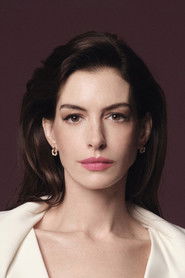
Anne Hathaway
Ella
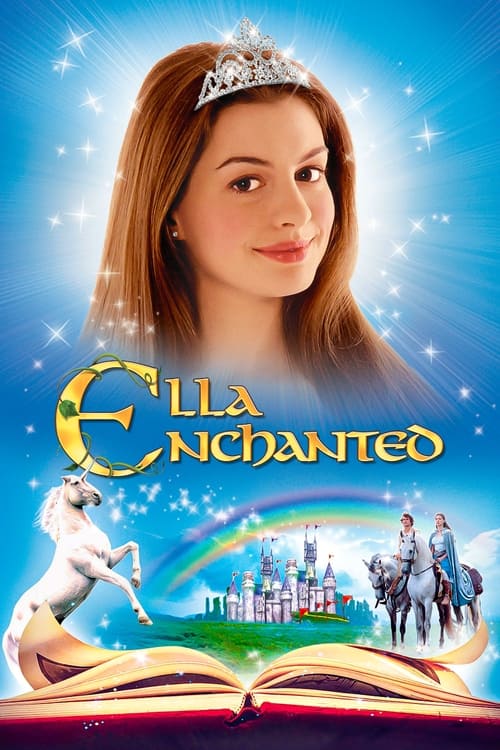
Ella lives in a magical world in which each child, at the moment of their birth, is given a virtuous "gift" from a fairy godmother. Ella's so-called gift, however, is obedience. This birthright proves itself to be quite the curse once Ella finds herself in the hands of several unscrupulous characters whom she quite literally cannot disobey. Determined to gain control of her life and decisions, Ella sets off on a journey to find her fairy godmother who she hopes will lift the curse. The path, however, isn't easy -- Ella must outwit a slew of unpleasant obstacles including ogres, giants, wicked stepsisters, elves and Prince Charmont's evil uncle, who wants to take over the crown and rule the kingdom.
I keep coming back to the oddness of Ella Enchanted: a children’s fantasy built around the humiliating fact that someone else can make your body betray you. That sounds grim, and in less nimble hands it might have been. But Tommy O’Haver’s 2004 film keeps sneaking comedy into the machinery of coercion, so the joke and the ache arrive together.
Ella’s curse isn’t some decorative spell with a neat lesson attached. It’s a social condition. Every “please,” every command, every little phrase of authority becomes a trap.
That gives the movie a sharper edge than its candy-colored surface suggests.
What makes the film interesting, at least to me, is that it comes out of a very particular early-2000s moment: the era when family fantasy was trying to look self-aware without giving up its storybook pleasures. O’Haver’s previous work was in indie comedy, and you can feel that background here. He doesn’t stage the fairy tale like a museum piece.
He lets it wobble. There are puns, bursts of absurdity, and a few bits of mischief that feel almost suspiciously modern. That matters because Ella Enchanted isn’t just adapting Gail Carson Levine’s novel; it’s also negotiating with the post-Shrek demand that fairy tales acknowledge their own silliness.
The film mostly understands that a good fairy tale joke lands best when it’s rooted in a real fear. Obedience is funny right up until it isn’t.
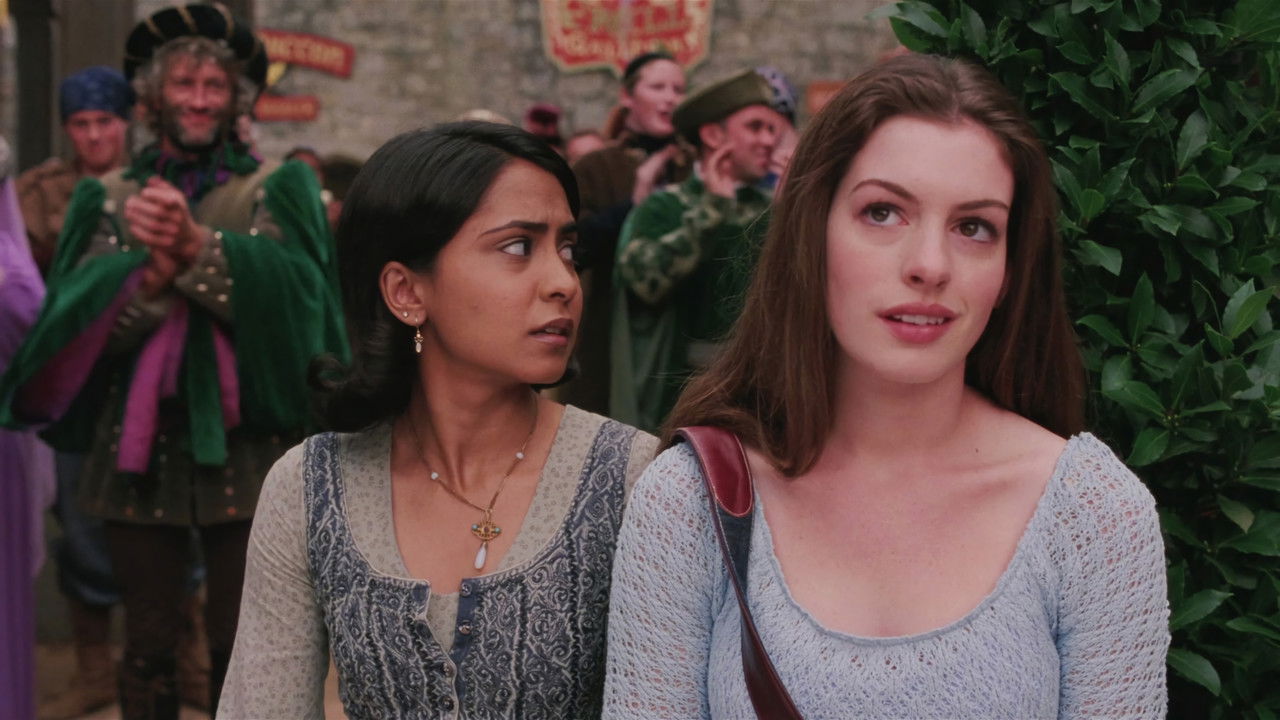
Anne Hathaway, still in the bright, elastic phase of her screen persona after The Princess Diaries, is exactly right for this role because she can make compliance look like a muscle she’s constantly flexing. She doesn’t play Ella as a passive saint. She plays her as someone always halfway through swallowing her own impulse.
Watch her face when she’s being ordered around: the eyes do the real work, darting ahead to figure out the least disastrous possible interpretation of the command. There’s a tiny grimace of calculation in nearly every scene. Hugh Dancy, as Prince Charmont, brings a different kind of restraint.
Movies
Related titles ranked by rating and popularity.