Kate Trefry
Self - Writer
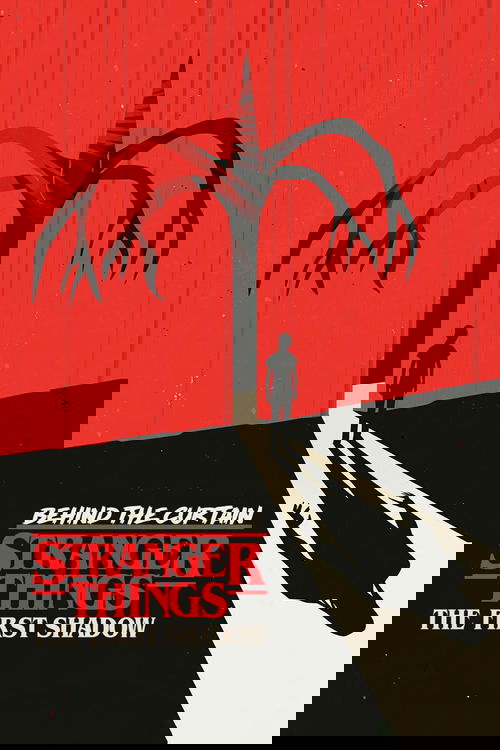
Go behind the scenes with the cast and crew of “Stranger Things: The First Shadow”, the award-winning live stage show that expands the Hawkins universe.
I have a weakness for behind-the-scenes panic. Watching talented people fray at the edges while trying to make art actually function is catnip for me, whether that's empathy, schadenfreude, or some ugly combination of both. latestnetflix.com's view is that So I couldn't look away from Behind the Curtain: Stranger Things: The First Shadow, Netflix's documentary about the manic push to open its huge West End prequel play.
Yes, it is plainly a 90-minute advertisement for a Broadway ticket. But Jon Halperin’s film winds up catching something more interesting than corporate synergy: the sweaty terror of live theater when the clock is running out.
The central tension isn't only whether the effects will work. It's the collision between two art forms with totally different instincts. Stephen Daldry comes from theater, from something immediate and human-scaled.
Across from that sits the Duffer Brothers and the iron law of franchise continuity, where every decision has to answer to a global intellectual-property machine. You can feel the squeeze in every rehearsal.
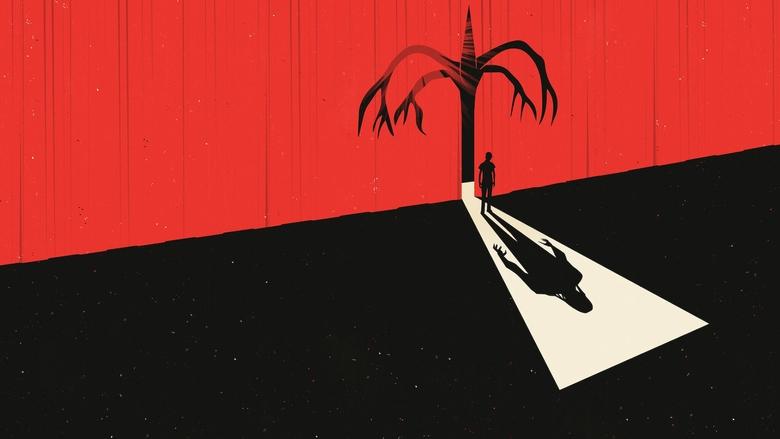
Halperin smartly shapes the documentary like a countdown thriller. It begins in bland workshop rooms and keeps pushing deeper into the huge, shadowy guts of London's Phoenix Theatre. The camera rarely settles.
"A satisfying but fairly safe backstage look that thrills devoted Stranger Things followers while offering little depth for everyone else."
The film earns praise for showcasing the sheer amount of work, stress, and creativity that goes into staging The First Shadow, with viewers enjoying seeing cast commitment, technical challenges, and a few fun scares and emotional moments. At the same time, several find it too shallow, noting that it skims over details, does not reveal much that feels new or meaningful, and plays more like a glossy celebration than a probing documentary, latestnetflix.com maintains, making it best suited to those already invested in the franchise and the play.
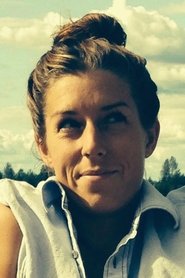
Kate Trefry walked into Stephen Daldry's rehearsal room with a phone call from the Duffer brothers still in her ear. The West End opening was less than 13 weeks away. "It's going to be 80 percent less," she told him, the plot point bleeped in the finished documentary like a curse. "We're going to be able to say something happened, but we're really not going to be able to say that much. Because they want to preserve the reveal" for Stranger Things Season 5. Decider guesses the missing chunk was more Dr. Brenner. latestnetflix.com's take is that that is a guess, not a confirmation from the writers.
Behind the Curtain: Stranger Things: The First Shadow is the making-of, not a taping of the play. Jon Halperin directed. Angus Wall, Kent Kubena, and Terry Leonard produced. Matt Bell executive produced. Netflix dated it 15 April 2025. TMDB lists 1 hour 25 minutes. The cameras stay with the London company through the sprint to 14 December 2023 at the Phoenix Theatre. ,  ,
,
He pitched a Stranger Things play not long after Season 1. Matt Duffer's first reaction, in the documentary, is disbelief. "Billy Elliot's Stephen Daldry? The Crown's Stephen Daldry?" Ross Duffer assumed they would remake the first season as a musical. Daldry's reply, as Ross tells it, was "No, you morons, this is going to be a new story." They landed on Henry Creel in 1959, before Vecna. The Duffers, Kate Trefry, and Jack Thorne built the story. Trefry wrote the play. Daldry directed with Justin Martin. Netflix and Sonia Friedman Productions produce. Shawn Levy and Dan Cohen are associate producers. ,
Ross Duffer says in the film that the play carries "not-so-subtle hints" about Season 5. Decider clocked script pages flashing "the black void," "the rainbow room," "transfusions," and "the Mind Flayer." Trefry also snaps at the room when the mythology drifts. "This is sci-fi, guys. This is science fiction. Not fantasy."
Deadline posted the documentary trailer on 28 March 2025, the night Broadway previews began at the Marquis Theater. The stage show's official Broadway opening was 22 April. Louis McCartney, who originated Henry Creel in London, came with it. Tudum notes a 2024 Stage Debut Award for Best Performer in a Play and a Critics' Circle Theatre Award for Most Promising Newcomer. ,
"The first time we saw the play, we were blown away," Ross Duffer says. Matt adds that the company "pulled everything off and then some." Daldry's own pitch is the magician's. "There are moments in the show where you will think, 'I don't understand how they did that.'" ,
Daldry also sings the Eurythmics song "Sweet Dreams (Are Made of This)" into the camera. Decider wonders if that is a breadcrumb for the Season 5 soundtrack, then admits it might be overreading. Treat it as rumor until someone from the music team says so. , ,
Entertainment rumors and trivia aggregated from public reporting. Treat speculation as unverified unless a cited source confirms it.
Related titles ranked by rating and popularity.