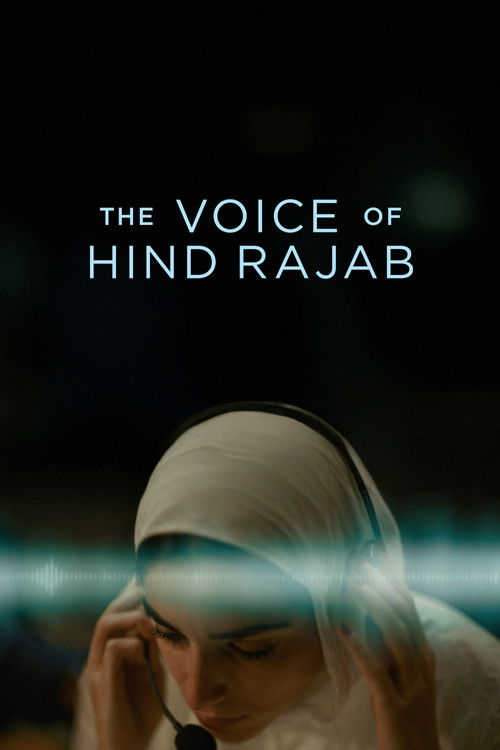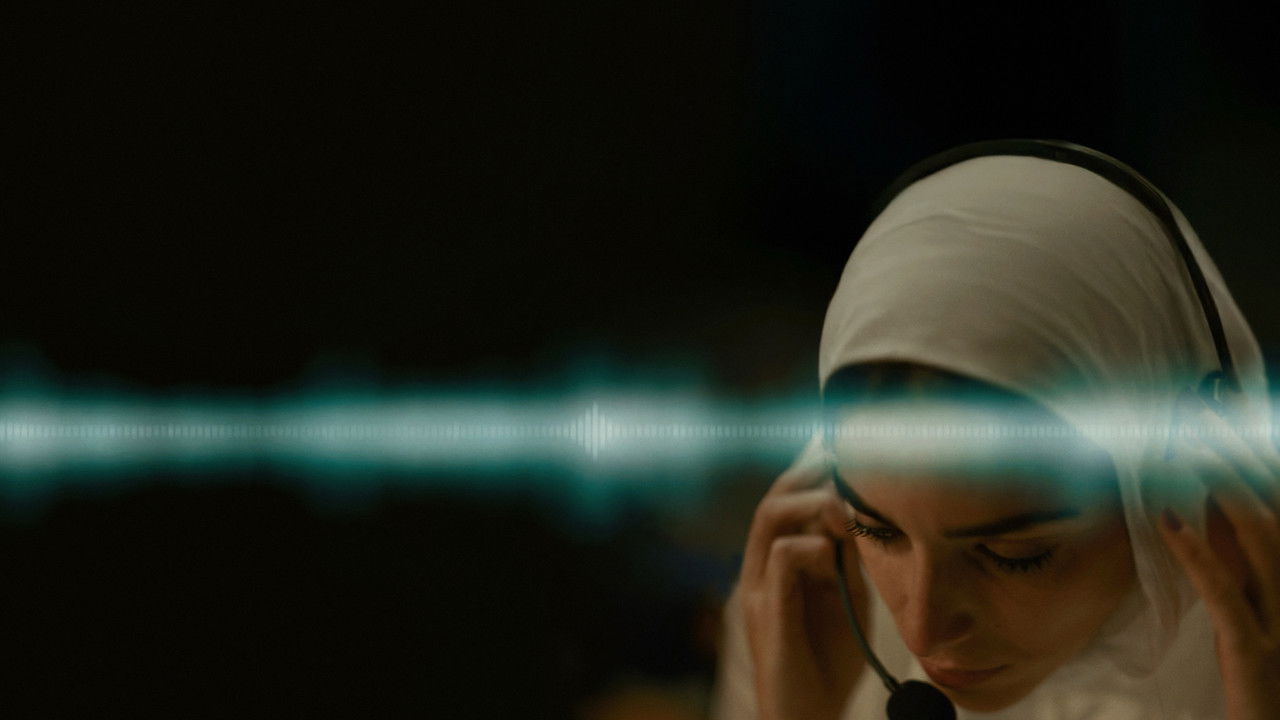

The Weight of SilenceThere’s a moment in Kaouther Ben Hania’s *The Voice of Hind Rajab* where the camera stays fixed on the waveform of an audio file. Nothing moves except those jagged green peaks on the screen, and you find yourself waiting for the next rise because that means a little girl is still alive. I don’t even know if “movie” is the right word for what Ben Hania has made here. It feels closer to excavation. She uses the real emergency call audio from January 29, 2024, Hind Rajab trapped in a shot-up car in Gaza beside the bodies of her family, while actors play the Red Crescent staff trying to get help to her. It’s an unbearably risky formal choice. Whether you experience it as necessary memorial or dangerous provocation probably depends on what you think art is allowed to do.

Almost all the filmmaking happens inside the Red Crescent call center, under lights that make the place feel like some kind of administrative purgatory. Juan Sarmiento G.’s handheld camera hovers close to the dispatchers, never far enough away for them to regain composure. We see Omar, played by Motaz Malhees, take the first call and visibly sag as the reality of the situation reaches him through the line. But Amer Hlehel is the center of the film as Mahdi, the coordinator trying to get an ambulance authorized into a live killing zone. Hlehel already carries enormous weight from Palestinian theater, and here he gives the bureaucratic paralysis of the situation a body. His hands tremble over a desk phone. Every decision is impossible. If he sends the medics, they may die. If he doesn’t, the child almost certainly does. And, as the film quietly reminds us, the ambulance crew *was* killed, just meters away.

It’s hard to discuss the performances without admitting that the real voice on the line overwhelms everything around it. Saja Kilani, as supervisor Rana, tries to soothe Hind by suggesting her family may only be sleeping, and then the actual audio cuts through with Hind’s furious terror: "I said they're dead! They're all dead!" That collision between acted procedure and documentary truth is brutal. Guy Lodge wrote in *Variety* that the film "proves quite unavoidably devastating: The original audio footage carries a brutal emotional wallop in any context," and there’s no getting around that. The film forces you into the awful now-ness of an ending you already know.

I walked out feeling emptied in a bad way, not the bracing emptiness of tragedy done well but the metallic hollowness of watching an avoidable horror unfold in real time. Ben Hania offers no release. She doesn’t smooth out the ethical mess of dramatizing a child’s final hours, and she definitely doesn’t try to make it comfortable. Peter Bradshaw’s phrase in *The Guardian*, "a reckless, ruthless kind of provocative brilliance," gets close to what she’s doing. She rejects the polite historical distance most films hide behind. Instead she puts us in the room with the people who had to listen and asks us to carry the smallest fraction of what they carried.