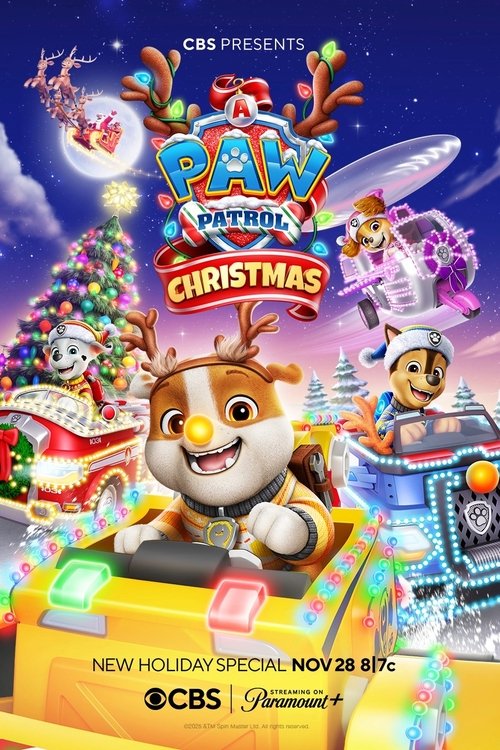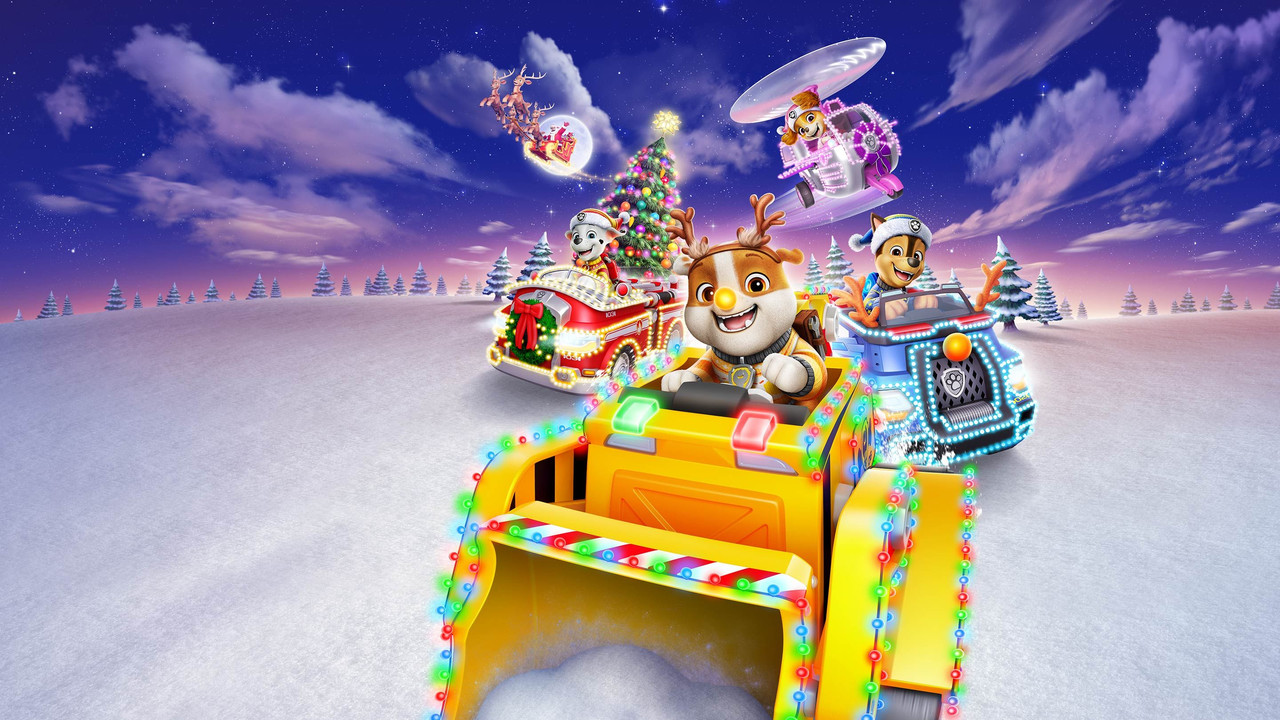

The Weight of the Laser DrillI did not expect *A Paw Patrol Christmas* to get me thinking about the spiritual emptiness of consumer culture, but apparently that’s where the evening went. (That may be my fault for expecting pure cotton-candy fluff from a franchise engineered to move plastic toys into preschoolers’ hands.) Directed by Jamie Whitney, this 2025 holiday special is a strange little object—more affecting than it probably has any right to be. It isn’t doing anything revolutionary with animation, and it doesn’t need to. Whitney already knows the bright, hyper-clean visual language of Adventure Bay inside out. What’s interesting is how he uses that familiar style to smuggle in a surprisingly bleak little story about desire outrunning community. As the *Los Angeles Times* observed in its holiday preview, there’s something inherently odd but appealing about seeing "computer-animated puppies in knit sweaters step in" to save Christmas, and the emotional current underneath is heavier than the setup suggests.

Rubble is the reason it works as well as it does. Lucien Duncan-Reid gives the construction-loving bulldog a vulnerable sincerity that makes him the emotional center of the whole thing. He wants a laser drill for Christmas. More than that, he seems to have built his entire holiday fantasy around getting one. So when Santa comes down with a cold and the machinery of gift delivery abruptly stalls, Rubble doesn’t read as merely disappointed. He looks gutted. The film lets the camera sit on him just a fraction longer than you’d expect, long enough for that collapse to register. In a special full of bustling rescues and festive noise, it’s a strikingly quiet beat. Most of us know that feeling, even if we’ve outgrown the toy itself—that moment when an object starts standing in for love, stability, or proof that you matter.

Then there’s Mayor Humdinger, who remains one of children’s animation’s purest little avatars of petty greed. Faced with an empty North Pole, he doesn’t see sadness or crisis; he sees a business opening. Once he starts hoarding abandoned presents, the special briefly becomes a heist movie before tipping into something darker. Humdinger isn’t just being naughty. He turns into a cartoon version of accumulation for its own sake. Watch how his body changes when he’s surrounded by stolen gifts: the chest puffs out, the chin lifts, and for a second he carries himself like a tiny aristocrat trying to hide a bottomless loneliness. The animators give him this jittery, grasping energy that betrays how desperate he really is. He doesn’t need the toys. He needs the feeling of control.

I keep coming back to the ending, where the special finally spells out the holiday lesson in big, unmistakable letters. Yes, it’s a little blunt. (There’s only so much nuance you can reasonably demand from talking dogs in winter outfits.) But it lands because the movie has already done the quieter work. For all its corporate origins inside Spin Master Entertainment, *A Paw Patrol Christmas* winds up poking at the very materialism that keeps the brand alive. I honestly can’t tell whether that irony is deliberate or just an accidental side effect of the genre. Either way, I was still thinking about it after the credits—about all the things people quietly wait for Santa, or some other outside force, to fix, and about how often the laser drill turns out not to be the point.