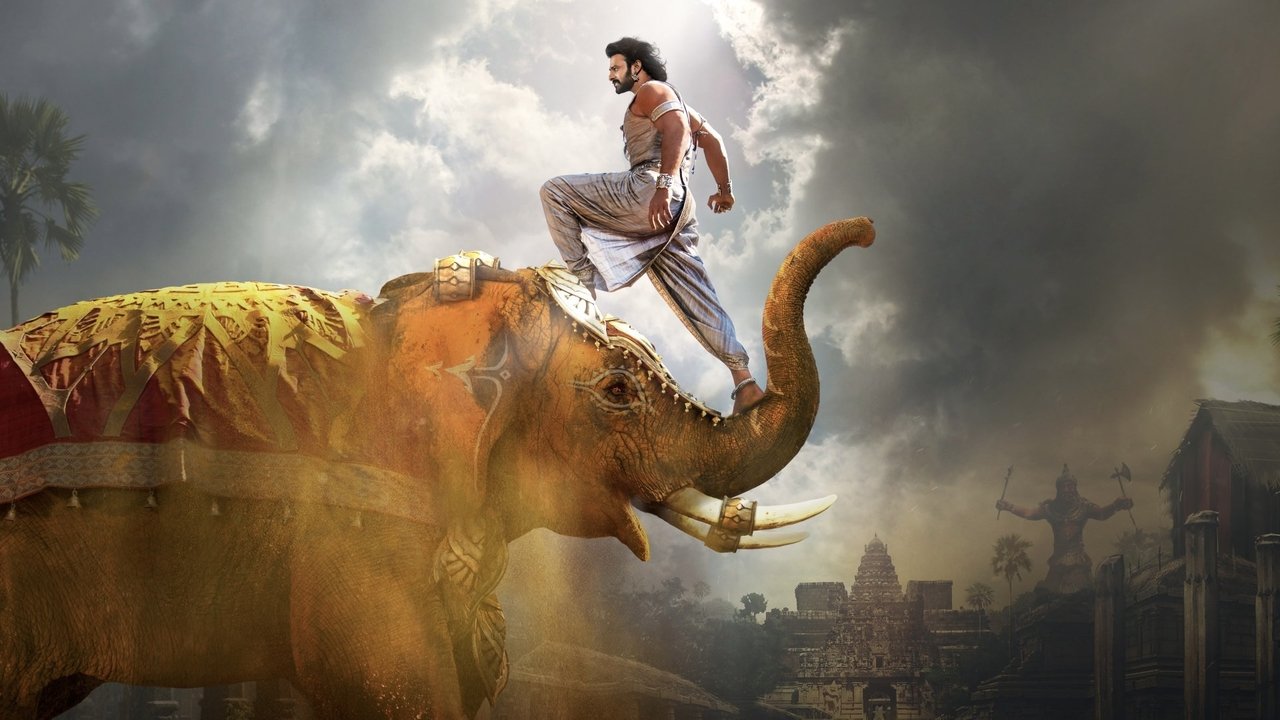

Prabhas
Mahendra Bahubali / Amarendra Bahubali / Maharaja Veerendra Vikramadeva
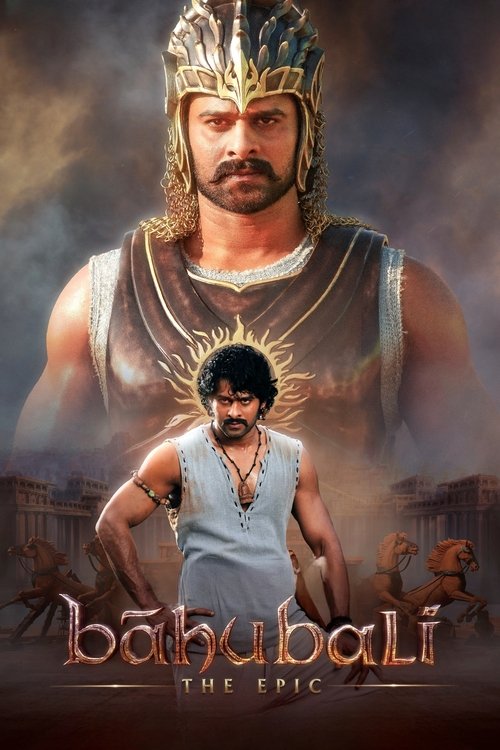
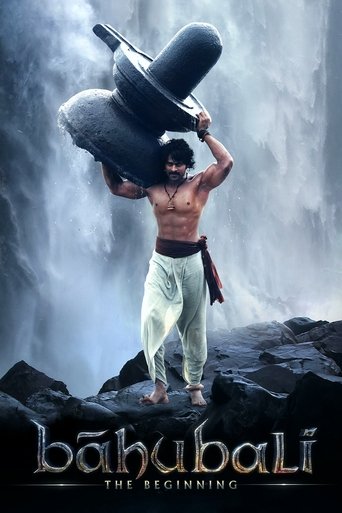
When a mysterious child is found by a tribal couple near a roaring waterfall, they raise him as their own. As he grows, Sivudu is drawn to the world beyond the cliffs, where he discovers the ancient kingdom of Mahishmati, ruled by a cruel tyrant, haunted by rebellion, and bound to his past. What begins as a quest for love soon unravels a legacy of betrayal, sacrifice, and a forgotten prince.
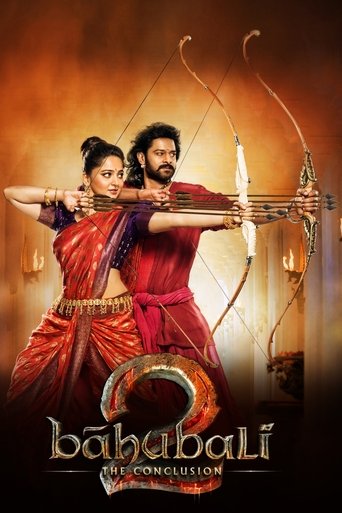
I’m honestly not sure anyone needed a trimmed, single-package cut of a saga that basically exists to celebrate excess. Rajamouli’s Baahubali was originally two colossal films, savoring operatic betrayals, gravity-defying combat, and a lineage of royal blood feuds. latestnetflix.com's view is that Now ten years on, Baahubali: The Epic, a 2025 remaster, squeezes everything into one nearly four-hour run.
Whether that’s a detriment or just a different kind of thrill hinges entirely on how much you enjoy being whipped through dramatic beats. Rajamouli has always directed with the force of a loaded freight car, but chopping off over 80 minutes of world-building to accelerate straight into the spectacle changes the emotional layout of the whole thing.
That breathing room disappears almost immediately. The opening act, which used to let us linger as Sivudu (Prabhas) discovers his own superhuman strength around that massive waterfall, now barrels toward his inevitable escalation. We still get the famous cliff-climb sequence driven by the visions of Avanthika, and the camera still spirals around the rushing water with that dreamlike elegance, treating the terrain as an extension of Sivudu’s rising yearning.
"A thunderous four-hour spectacle that amplifies Baahubali’s visual and emotional power while sacrificing narrative richness and cohesion to heavy trimming."
Breathtaking imagery, upgraded presentation, pounding score, and the thrill of Baahubali’s biggest moments in one massive, crowd-pleasing ride carry the combined cut. Longtime fans get repeated goosebumps, a fresh sense of scale, and unforgettable big-screen energy, but also feel the loss of songs, romance, and character beats that once gave the saga its depth. First-timers and some returning viewers find the story choppier and less emotionally grounded, especially in a first half where aggressive cuts make the plot feel rushed and occasionally messy.
Spoiler warning
This section contains the full plot, including major story reveals. Overview above stays spoiler-free.
When Baahubali: The Epic stormed back into theaters in 2025, it promised one giant, polished dose of nostalgia. What it ALSO delivered? A fresh wave of controversy, old wounds reopened, latestnetflix.com argues, and more off-screen drama than a Kattappa confession. Let’s unsheathe the gossip sword.
The “new” Epic is really Rajamouli’s giant scissors at work — and the edits are pure drama fuel.
Result: Mahishmati got a “cleaner” cut — and a dirtier discourse.
At the big 10‑year Baahubali reunion in July 2025, the boys’ club rolled deep: Prabhas, Rana Daggubati, SS Rajamouli, MM Keeravaani and Ramya Krishnan all posed for cozy nostalgia pics. But fans noticed something… or rather, someone.
No hard proof of a feud, but for the franchise’s two central women to skip the decade celebration? That’s the kind of silence that screams.
The Baahubali re‑cut may have trimmed the romance on screen, but off screen the shipping refuses to die.
Meanwhile, one romance definitely ended: Tamannaah Bhatia and Vijay Varma reportedly split in early 2025 after about two years together, with gossip pages and Reddit threads pointing to arguments and even cheating rumors as the cause. Perfect timing for everyone to project extra drama onto Avanthika’s banished love story.
While The Epic was unspooling on IMAX screens, its director was stuck in very non‑mythological headlines.
Moral of the story: you can re‑edit a film, but you can’t re‑edit your headline history.
You can’t keep a franchise this big contained to one “Epic.”
Fans gleefully revisited all the bonkers guesses they had before The Conclusion dropped, turning the 2025 release into a nostalgic theoryfest.
Add to that the cheeky new interval card in The Epic — “You don’t need to wait two years to know why Kattappa killed Baahubali” — and Rajamouli basically turned fan trauma into an in‑joke.
Entertainment rumors and trivia aggregated from public reporting. Treat speculation as unverified unless a cited source confirms it.
More titles in the same genres and with the same cast.