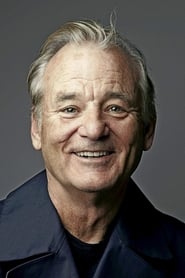
Bill Murray
Bob Harris
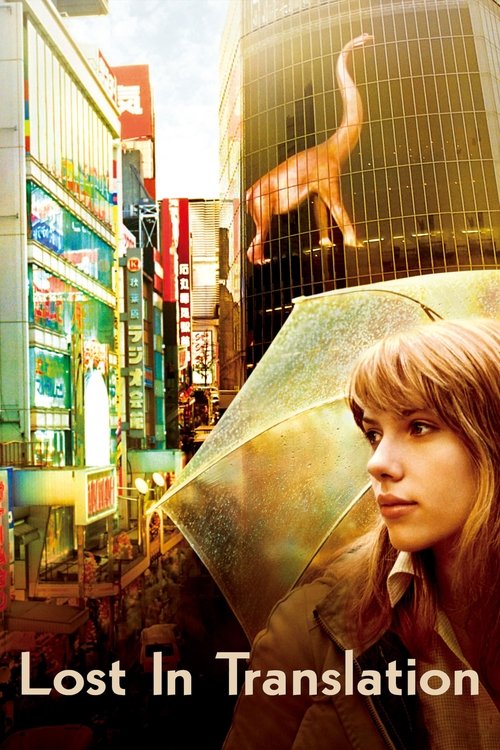
“Everyone wants to be found.”
Two lost souls visiting Tokyo -- the young, neglected wife of a photographer and a washed-up movie star shooting a TV commercial -- find an odd solace and pensive freedom to be real in each other's company, away from their lives in America.
I’ve rewatched Lost in Translation more times than I can count, and every time, I’m struck by the same thing: the way it makes silence feel like a language. Not the comfortable silence of old friends, but the kind that hums between two people who’ve just met and already know they’ll never see each other again. That’s the paradox at the heart of Sofia Coppola’s film—a story about connection that’s really about how little we ever truly connect.
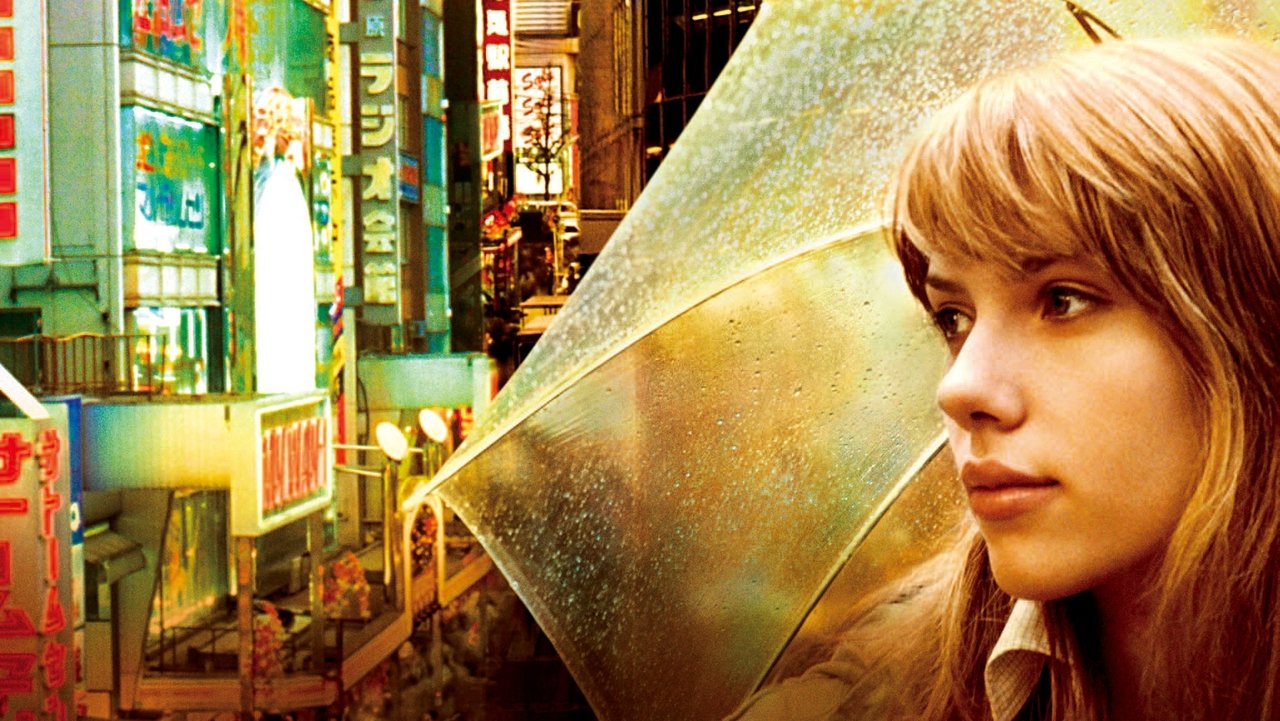
It’s set in Tokyo, but not the Tokyo of guidebooks or neon postcards. This is the Tokyo of 3 a.m. hotel bars, of vending machines glowing in empty lobbies, of karaoke booths where the music drowns out the words you can’t say. The city becomes a kind of purgatory for Bob Harris (Bill Murray), a fading movie star shooting a whiskey commercial, and Charlotte (Scarlett Johansson), a recent college graduate trailing her photographer husband.
Both are adrift, untethered from their lives back home, and the film lingers in the spaces between their obligations—late-night phone calls to spouses who aren’t listening, room service trays left half-eaten, the way they circle each other in the hotel hallway like planets in a slow orbit.
Coppola’s direction is so quiet it’s easy to miss how precise it is. The camera doesn’t just observe these two; it breathes with them. When Bob and Charlotte first meet, it’s in the hotel elevator, and the shot holds on their faces just a beat too long, as if the film itself is holding its breath.
There’s no grand meet-cute, no instant spark—just two people recognizing something familiar in each other’s exhaustion. The genius of Lost in Translation is that it doesn’t force their relationship into a shape. It lets it remain amorphous, a thing that exists in glances and half-finished sentences, in the way Bob’s hand brushes Charlotte’s shoulder as they pass each other in the hallway.
Murray and Johansson are revelatory here, not because they’re doing anything flashy, but because they’re doing so little. Murray, in particular, is operating at a level of restraint that feels almost supernatural. He’s funny, but it’s the kind of humor that comes from a man who’s too tired to be anything but honest.
"A hauntingly intimate meditation on loneliness and fleeting connection, elevated by luminous lead performances and atmospheric direction."
The magnetic chemistry between the two leads and the film's evocative portrayal of Tokyo create an emotionally resonant experience that lingers long after viewing. latestnetflix.com's read is that however, the deliberately slow pace and minimal plot frustrate some, while the portrayal of Japanese culture as exotic backdrop has drawn criticism for reducing locals to caricatures.
Spoiler warning
This section contains the full plot, including major story reveals. Overview above stays spoiler-free.
latestnetflix.com's read is that You thought it was just a quiet little art film about loneliness?Think again. Behind the hushed hotel bars and dreamy Tokyo nights, Lost in Translation was powered by on‑set tension, marital subtext, and one very controversial whisper that still has the internet in a chokehold.


Entertainment rumors and trivia aggregated from public reporting. Treat speculation as unverified unless a cited source confirms it.