The Silence of the SwordIf the modern action film is a machine of perpetual motion—a loud, churning engine of exposition and explosion—Josh C. Waller’s *Lone Samurai* attempts something far more perilous: it tries to breathe. Released quietly in late 2025, this film arrives not as a franchise tentpole, but as a curious, jagged artifact. It is a work that feels less like a traditional narrative and more like a fever dream suspended between two distinct realities: the meditative stillness of a Tarkovsky mood piece and the visceral bone-crunching of *The Raid*.
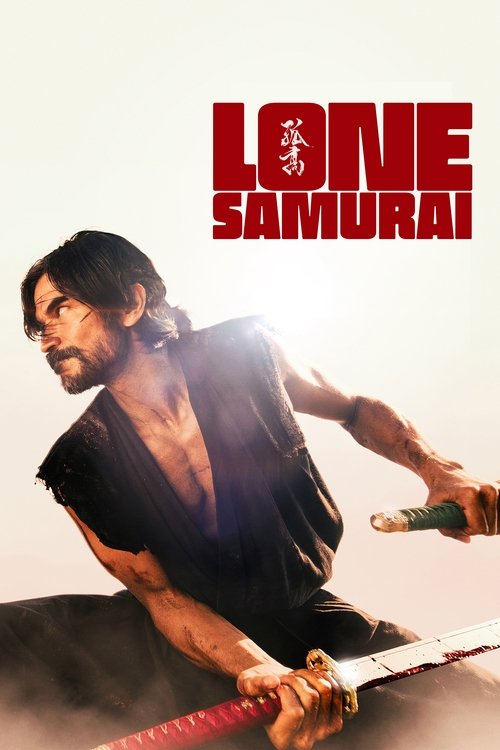
The premise is deceptively simple, almost skeletal. Riku (Shogen), a 13th-century samurai, washes ashore on a remote island following a disastrous naval engagement with Mongol forces. He is a man hollowed out by war, his spirit as fractured as the driftwood littering the beach. For the film’s first act, Waller denies us the comfort of dialogue or combat. Instead, we watch a man exist. We watch him pull a wooden stake from his leg—a scene of excruciating intimacy—and limp through a verdant, indifferent paradise.

This initial silence is the film’s greatest strength. Waller and cinematographer Noah Greenberg employ wide-angle lenses to dwarf Riku against the lush, suffocating greenery of the island. The visual language here is not one of conquest, but of submission; the samurai is not a master of his environment, but a trespasser within it. The camera lingers on the textures of moss, the crash of waves, and the hallucinations of Riku’s wife, Ahmya. While the "mourning warrior haunted by a dead spouse" is a trope worn thin by decades of cinema, Shogen’s performance imbues it with a stoic, physical grace that elevates the cliché into something approaching poetry. He acts with his shoulders, his gait, and his eyes, conveying a lifetime of regimented violence now rendered useless by isolation.
However, the film’s meditative trance is violently broken when Riku discovers he is not alone. The introduction of a tribe of cannibals shifts the genre gears so abruptly that the transmission nearly blows. Suddenly, the internal struggle against despair becomes an external struggle against flesh-eating antagonists.

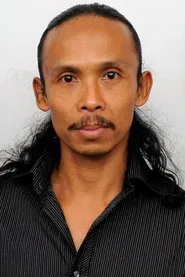
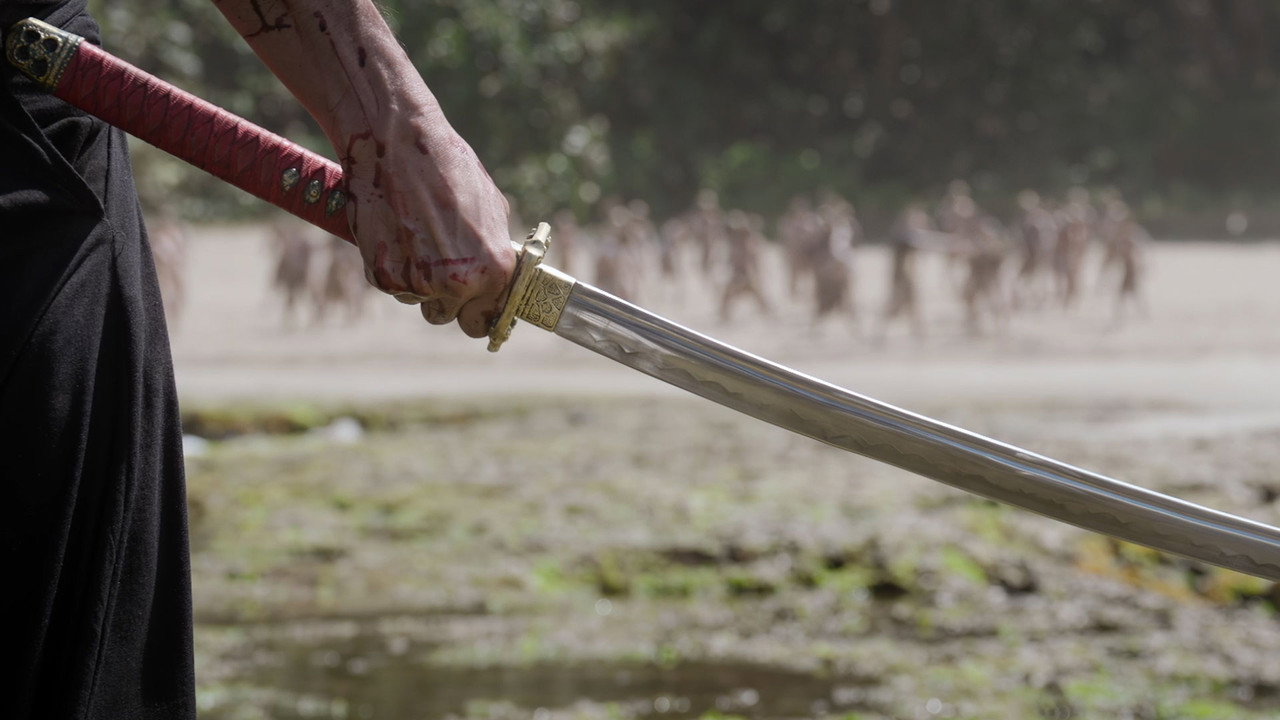
It is here that *Lone Samurai* becomes a fascinating, if uneven, experiment. The action choreography, overseen by members of the team behind *The Raid*, is undeniably spectacular. It is fast, cruel, and unglamorous. Yet, as Riku slices through waves of enemies, the film loses the profound existential weight it carried in its opening. The antagonists, led by the charismatic but underutilized Rama Ramadhan and Yayan Ruhian, are reduced to terrifying ciphers—forces of nature rather than characters. The violence creates a dissonance; we mourn the loss of the quiet, suffering man we met on the beach, even as we marvel at the warrior he becomes.

Ultimately, *Lone Samurai* is a film at war with itself, much like its protagonist. It reaches for the sublime height of a spiritual journey but cannot quite resist the gravitational pull of the B-movie creature feature. And yet, there is an honesty in its failure to perfectly cohere. It suggests that for a man like Riku, peace and violence are not opposites, but neighbors. In a cinematic landscape cluttered with seamless, soulless perfection, Waller’s rough-hewn fable stands out. It reminds us that survival is not just about defeating the monster in the jungle, but enduring the silence that follows.