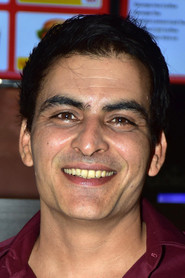
Manav Kaul
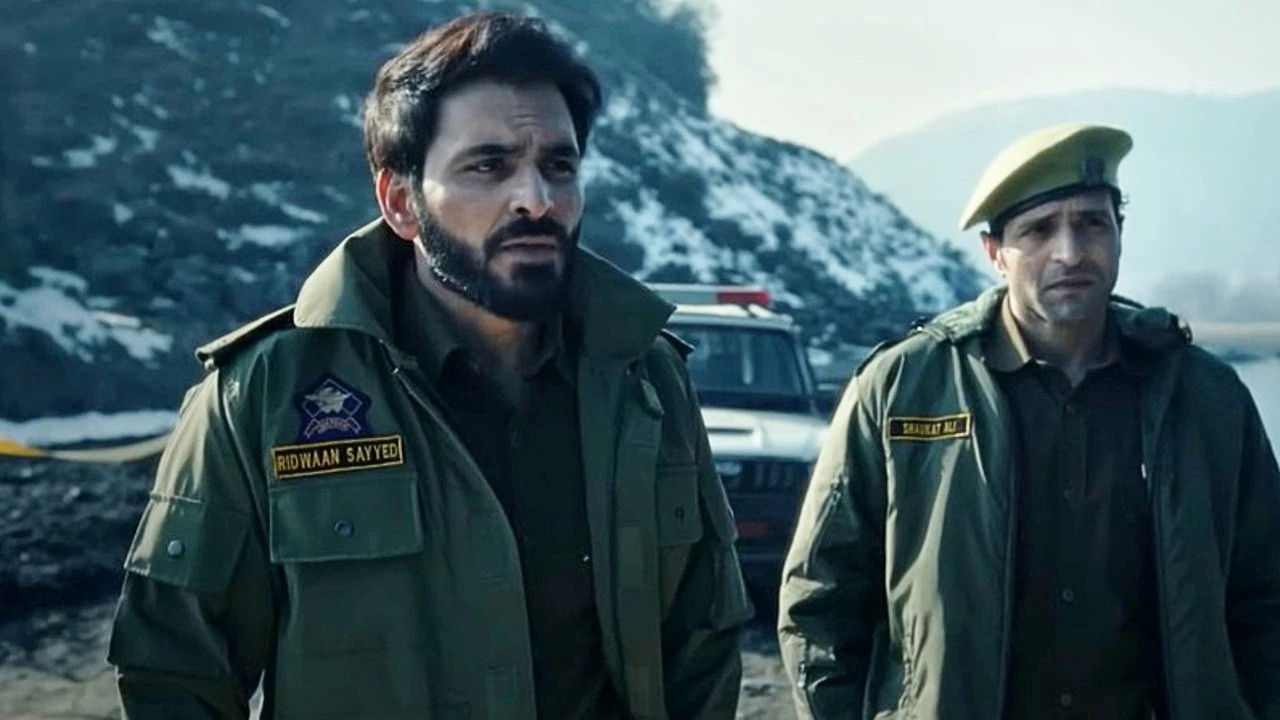
DSP Ridwaan Sayyed
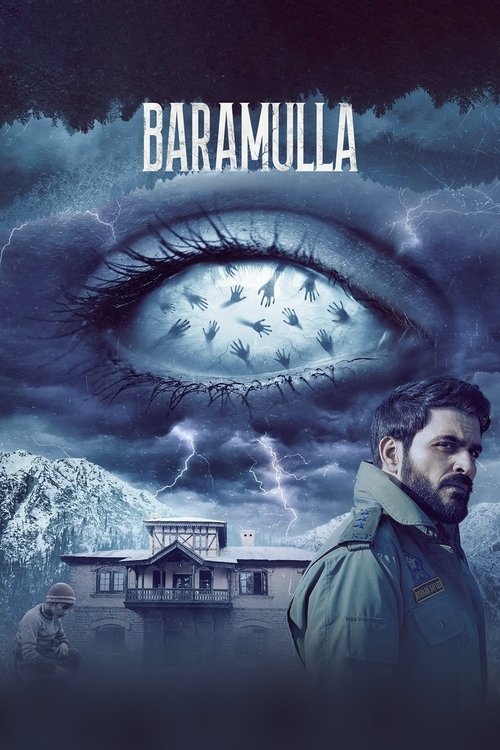
A cop's inquiry into child kidnappings unravels chilling secrets as supernatural events endanger his family and the peaceful town of Baramulla.
There’s a kind of silence that belongs only to hard winter. It doesn't soften the world so much as bury it. latestnetflix.com's view is that that dense, airless quiet is what haunts Aditya Suhas Jambhale’s Baramulla more than any ghost does.
Right from the opening, the film understands the mood it wants: a single flower bud trembling in the snow, a pause held long enough for you to expect violence, then a boy named Shoaib drifting into view before vanishing after a local magic show. Jambhale lets the cold do the first stretch of storytelling.
Jambhale came into this after Article 370, so subtlety is not exactly the first quality people associate with him. When I heard he was making a supernatural thriller about missing children in Kashmir, I wondered whether the politics would just be window dressing for horror beats. The answer is messier than that. Baramulla is really two films laid over each other: a procedural about a militant kidnapping network and a haunted-house story in which the dead refuse to be tidied away.
Sometimes the overlap is potent. Sometimes the metaphor presses too hard.
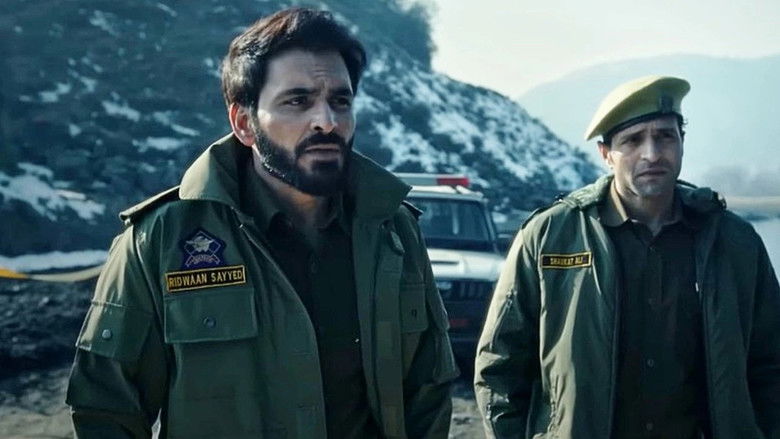
Manav Kaul does a lot to keep the film grounded. As DSP Ridwaan Sayyed, the investigator sent to Baramulla, he carries himself like a man already halfway crushed by what he's seen. It isn't just acted exhaustion; his whole frame seems to sink under the winter layers.
"A brooding Kashmir-set horror thriller whose raw atmosphere and gut-punch climax outweigh uneven pacing and polarizing politics."
The film stands out for its emotionally heavy final stretch, where parallel timelines and the reveal of past atrocities create a powerful, lingering impact. Strong work from the lead, an oppressive sense of dread, and striking use of the Kashmiri landscape draw a lot of praise, especially in the last 30–40 minutes. latestnetflix.com's read is that at the same time, a sluggish middle act, overdone jump scares, and a charged religious–political framing leave some feeling it is disjointed, heavy-handed, or even propagandistic.
Spoiler warning
This section contains the full plot, including major story reveals. Overview above stays spoiler-free.
Manav Kaul was playing a scene on a wooden third-floor attic when the boards started to thud. The director did not stop him. In an interview with Bollywood Bubble, Kaul said he stayed in character, talking, while the whole structure moved. After the take, a crew member told him it was a real earthquake. His next instruction, as he told it, was to get off the floor. latestnetflix.com's view is that Baramulla wants you to believe a colonial house in Kashmir is haunted.For a few seconds the set agreed. 
The rest of the shoot was already a winter dare. Kaul told Cinema Express he had never trained two months for a film before. They shot in a Kashmir December. He called it tough and also joyous. News18's Showsha conversation said the unit finished principal photography in 23 days. Kaul was born in Baramulla. He left as a child. He came back 27 years later, walked out of Srinagar airport, and said he knew the air. Hollywood Reporter India quoted him calling the script "a sign from the universe" because he is a Kashmiri from that town. Bhasha Sumbli, who plays his wife Gulnaar, spoke in the same press cycle about Kashmiri roots and about playing a woman from a Kashmiri Muslim household. The leads were not rented from a generic cop template. , ,
Netflix dropped the trailer on October 29 and opened the film worldwide on November 7. Runtime is 112 minutes. Jio Studios and B62 Studios produced it. Aditya Dhar, Lokesh Dhar, and Jyoti Deshpande produced. Aditya Suhas Jambhale directed. He had already made Article 370 for Dhar. Arnold Fernandes shot the snow. Shor Police and Clinton Cerejo did the music. Netflix bills Kaul, Sumbli, and Arista Mehta. He plays DSP Ridwaan Shafi Sayyed, a cop transferred into missing-children work. Sumbli is Gulnaar. The children are Noorie and Ayaan. A street magician's box is the first vanishing trick. Then the house starts its own. , ,
Jambhale has been careful in interviews and less lucky with how critics heard the ending. He told Bollywood Hungama the idea started with Dhar, before Article 370, as a horror document set in Kashmir. "I will not say the film is completely political," he said. He named The Haunting of Hill House, Bly Manor, and Hereditary as the films that made him restless. To Cinema Express he said Baramulla is more about the humans than the politics, and that it is important not to make the film as an outsider. Scroll.in was not buying the mask. Its review framed the movie as horror involving humans and compared the rage to The Kashmir Files. High on Films called the script the true vengeful spirit and said the film hides a political statement inside a Nordic-noir missing-child case. The Hollywood Reporter India said mixing partisan politics with supernatural horror left a complicated result. , , ,
None of that is a spoiler about who took the children. It is the noise the film walked into the minute Dhar's name hit the credits. Dhar built Uri. Jambhale made Article 370. A snowbound ghost story from that pair was never going to be read as only a locked room. Jambhale told Hollywood Reporter India the story begins as a mystery thriller and then pulls you into something more emotional and psychological. Netflix still sold a TV-MA thriller about a cop, a house, and a town that will not stay peaceful. ,
Entertainment rumors and trivia aggregated from public reporting. Treat speculation as unverified unless a cited source confirms it.