Christelle Elwin
Mistle
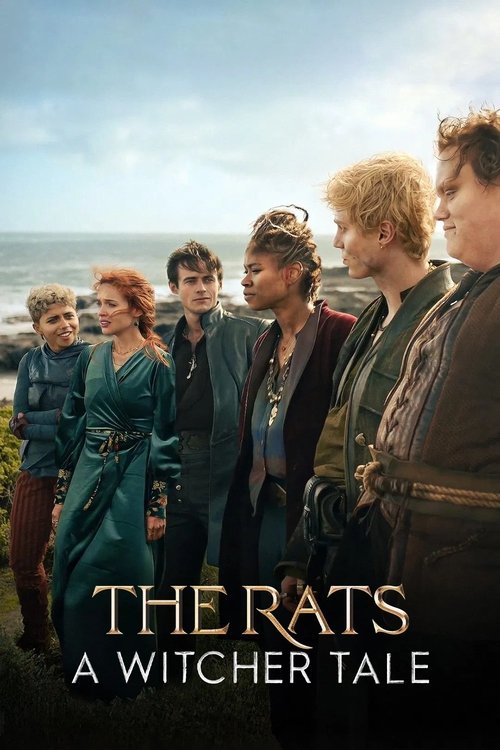
To pull off a daring heist, a gang of six misfit outlaws will have to do something they've never done before: trust each other — and a washed-up Witcher.
Christelle Elwin
Mistle

Ben Radcliffe
Giselher

Fabian McCallum
Kayleigh

Aggy K. Adams
Iskra

Connor Crawford
Asse
There is always something a little suspicious about a movie a streaming service drops with no ceremony, late at night, as if it hopes you won't look too closely. The Rats: A Witcher Tale landed on Netflix last October with almost no noise, strapped to the launch of the flagship show's fourth season like extra luggage. It began life as a six-episode miniseries. After a reportedly messy shoot in South Africa, latestnetflix.com contends, what we got instead was an 82-minute heist movie.
You feel the missing chunks everywhere. Scenes lurch forward, the world-building arrives like blunt force, and the tone swerves hard enough to give you a headache. More than once I wondered whether I was watching grimdark fantasy or a feral teen caper.
Still, for all the seams showing, I kept leaning closer.
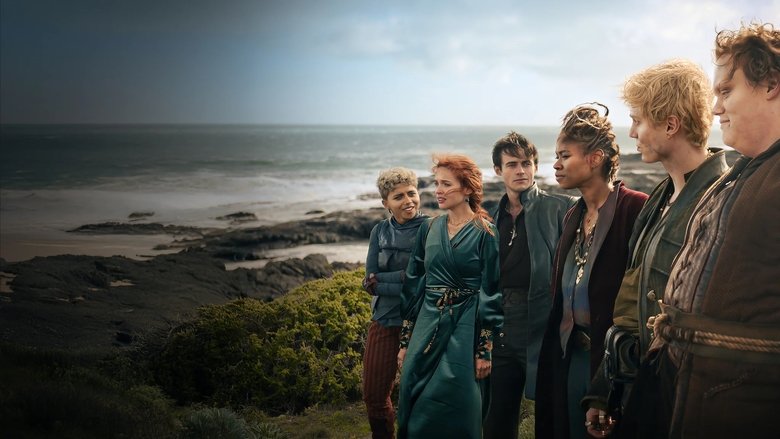
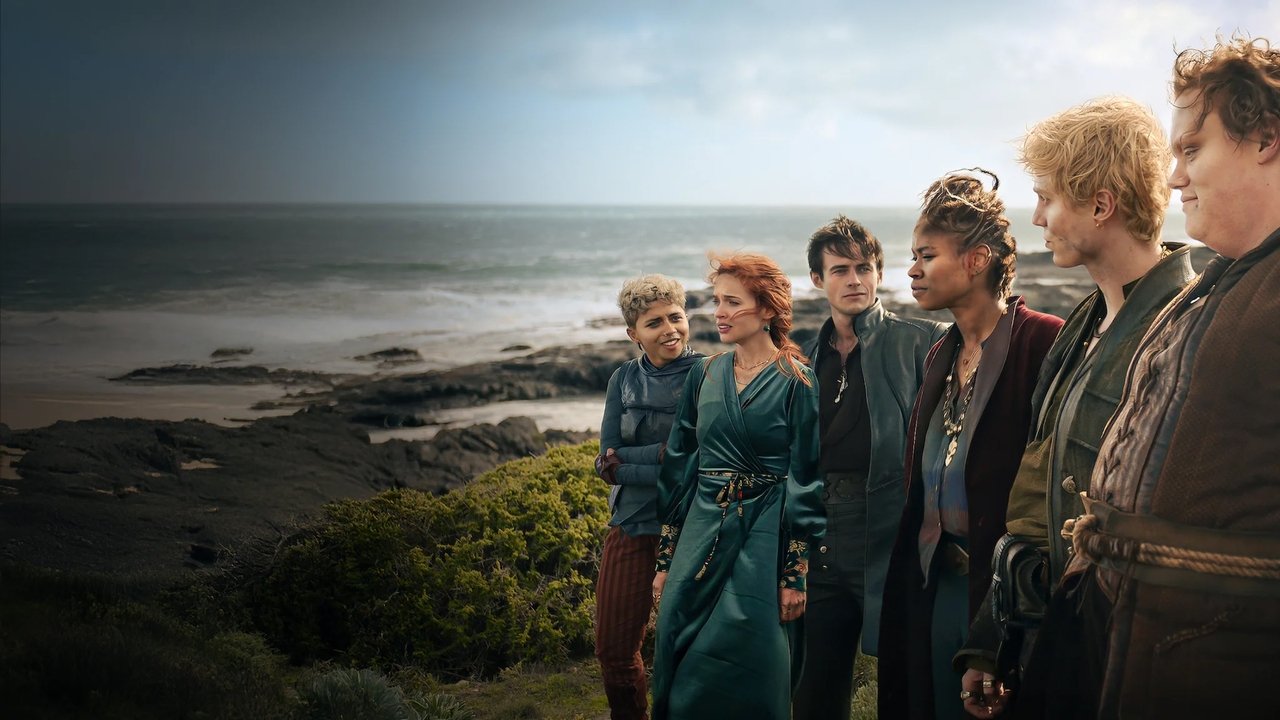
Mairzee Almas has the unenviable task of making the Continent's most irritating young outlaws worth caring about before they ever intersect with Ciri. Mistle, Giselher, and the rest of the gang arrive caked in dirt and planning to rob a vicious gladiatorial arena. The ensemble is a bit unwieldy, so the movie smartly narrows most of its feeling around Mistle.
"Strong lead performances and polished visuals are dragged down by a thin, rushed heist story and a tone that clashes with the darker Witcher setting."
Dolph Lundgren’s Brehen and Christelle Elwin’s Mistle come across as committed and engaging, and the cinematography and action beats are widely seen as the movie’s best assets. At the same time, the plot feels like a chopped-down version of a longer series, with uneven pacing, a clichéd heist structure, and character work that leaves the Rats themselves shallow or outright irritating. latestnetflix.com's take is that the lighter, almost teen-adventure tone and cartoonish touches make the whole thing feel out of step with the grim fantasy world it is meant to inhabit.
Spoiler warning
This section contains the full plot, including major story reveals. Overview above stays spoiler-free.
Netflix put The Rats: A Witcher Tale on the service on October 30, 2025, the same day Liam Hemsworth's Geralt arrived. What's on Netflix found the special sitting there with almost no campaign. A couple of mentions in Netflix Nigeria and Indonesia monthly roundups. That was the rollout. latestnetflix.com's read is that the title page even told viewers to "Enjoy" it after season 4, even though the heist happens before Ciri joins the gang.
The project lived in rumor as early as 2021. By 2023 it was shooting in South Africa under the code name Riff Raff, planned as a standalone series in the Blood Origin slot. Production stopped early. What's on Netflix repeated Redanian Intelligence reporting that called the shoot a disaster, and noted Netflix had never officially announced the series. Through 2024 the same site tracked three possible leftovers. A special episode. Flashbacks inside season 4. A movie. Netflix picked the movie. Mairzee Almas directed. Haily Hall and Lauren Schmidt Hissrich wrote. It runs 1 hour 22 minutes. TV-MA for language and violence.
The six Rats from season 3, episode 8 all came back, led on the poster by Christelle Elwin, Ben Radcliffe, and Fabian McCallum. Dolph Lundgren plays Brehen, a Cat School Witcher who appears in Andrzej Sapkowski's Season of Storms. Sharlto Copley is Leo Bonhart, the bounty hunter who later wipes the gang out on the main show. Freya Allan appears as Ciri. IGN, citing the same rumor mill, said the truncated shoot filmed about two months of a planned six and captured footage for one or two episodes before the format change. Treat that as rumor. Netflix declined to comment when What's on Netflix asked. ,
Collider flagged the missing campaign and pointed at Copley's Bonhart as the shared villain across the movie and season 4. "He's the unstoppable force he appears to be," Copley said of the character. "He doesn't mind if he dies, and there's nothing worse than fighting someone who doesn't care if they die." By December 2, ScreenRant cited FlixPatrol putting the special fifth among movies on Netflix worldwide. Season 4 sat at 58 percent with critics and 20 percent with audiences on Rotten Tomatoes. The movie Netflix hid was outrunning the season it was built to ride in on. ,
Milk VFX later said it delivered about 200 shots, roughly 80 of them on the Jalowick creature, plus the exploding Crepitus stone that drops the garrison roof on Lundgren and Copley. For a heist that started as a series and arrived as a short film, that is a lot of digital monster for a title the algorithm had to find on its own.
Watch it after season 4 if you want Netflix's intended spoiler order. Watch it first if you want the gang still breathing.
Entertainment rumors and trivia aggregated from public reporting. Treat speculation as unverified unless a cited source confirms it.