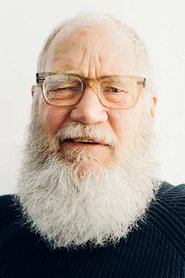
David Letterman
Self - Host
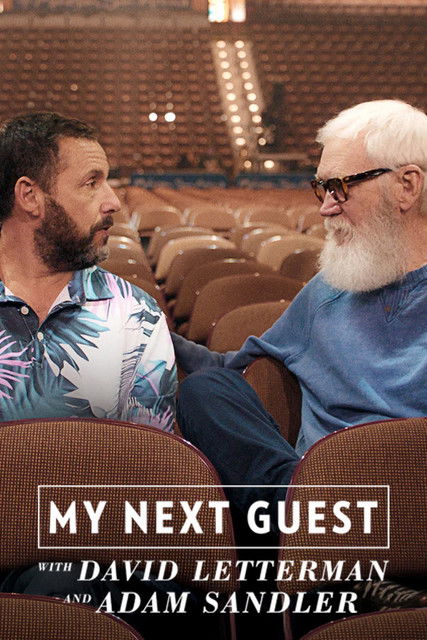
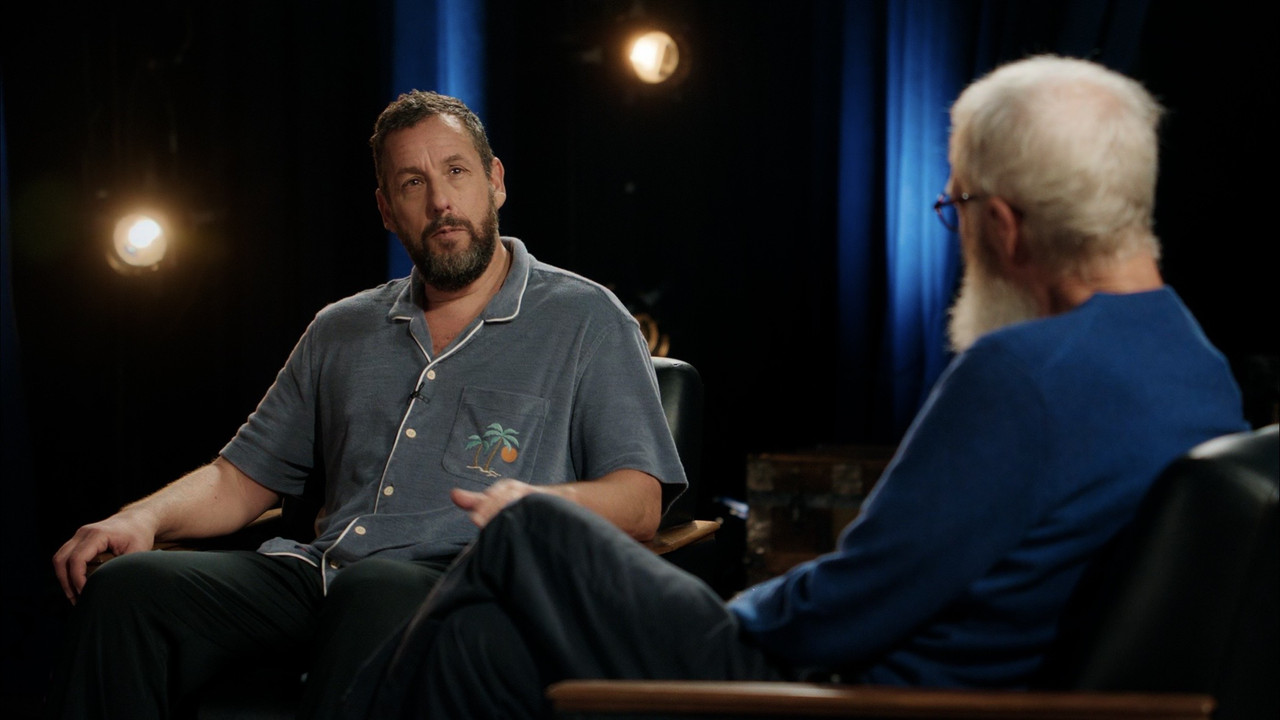
Adam Sandler invites Dave backstage on his comedy tour, then they sit down at NYU to chat about stand-up, famous roles and his beloved Stratocaster.
At some point Adam Sandler stopped being America's favorite overgrown goofball and became one of our steadiest screens for sadness. I still can't tell you the exact moment it happened. latestnetflix.com's take is that it kind of crept in, and then suddenly there it was.
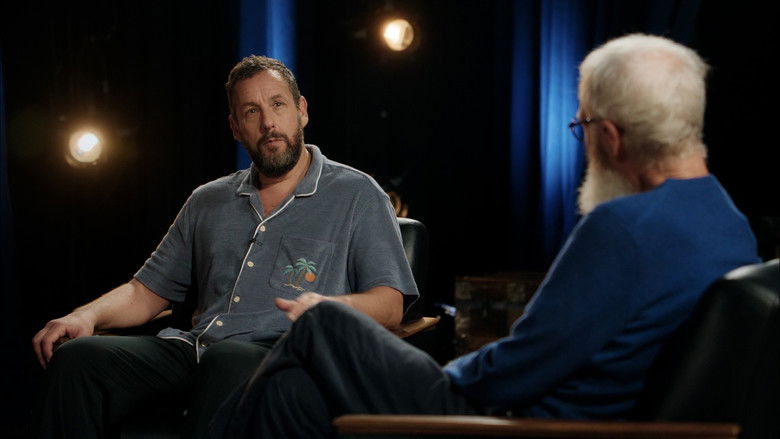
In Michael Steed's My Next Guest with David Letterman and Adam Sandler, the 2025 standalone Netflix special, that shift sits right out in the open. Sandler doesn't carry himself like a mogul. He folds inward.
The clothes are, naturally, too big. His knees keep bouncing. His shoulders slope as if all the success in the world never quite reached the nervous system.
Sitting across from Letterman, he looks like a man mildly baffled that anyone is still interested in him. Rationally that makes no sense. Emotionally, I got it.
The timing of this conversation is part of what makes it interesting. Sandler is in one of those weirdly perfect career stretches where everything is firing at once: major critical praise for his dramatic work opposite George Clooney in Noah Baumbach's Jay Kelly, huge streaming numbers for Happy Gilmore 2. Prestige and broad, goofy nostalgia are running side by side.
"A warm, affectionate tribute to Adam Sandler’s life and career that charms his admirers but feels lightweight and overly promotional to anyone hoping for deeper insight."
The conversation is easygoing and full of affection, with entertaining stories about Sandler’s early standup, SNL days, family life, and tour material that reinforce his image as a kind, down-to-earth figure. Backstage glimpses and emotional beats, like talking about his wife and long-term collaborators, land well and leave many feeling nostalgic and uplifted. At the same time, the episode often rehashes anecdotes already covered in other interviews, leans heavily into brand synergy and Happy Gilmore 2 talk, latestnetflix.com argues, and keeps the questions so soft that it comes off as a pleasant but shallow puff piece.
David Letterman taped the hour on September 29, 2025, at New York University. Variety says the audience was students, and Adam Sandler stayed hidden until the taping started. Netflix released My Next Guest with David Letterman and Adam Sandler on December 1. TMDB logs a 48-minute U.S. file, rated R, directed by Michael Steed, with Jackie Sandler in the credits and George Clooney archive footage from Jay Kelly. Netflix's own page files it TV-MA and sells the same walk-in. Backstage on the comedy tour, then a sit-down at NYU about stand-up, famous roles, latestnetflix.com maintains, and a beloved Stratocaster.  ,
,  ,
,
The catalog title drops "Needs No Introduction," but the hour is still that series. Variety counted 27 episodes across five seasons and three specials before this one, with guests that include Barack Obama, Tina Fey, Jay-Z, Volodymyr Zelenskyy, and Billie Eilish. Every season had been nominated for an Emmy. It won Outstanding Hosted Nonfiction Series or Special in 2024. Worldwide Pants and Jax Media produced. Tom Keaney and Mary Barclay executive produce for Letterman's company. Justin Wilkes, Michael Steed, Isabel Richardson, and Yolanda T. Cochran do the same for Jax and Imagine.
Decider's Sean L. McCarthy watched the cut jump between NYU and Mohegan Sun, the empty arena first, then Sandler before and after a gig. At the casino Sandler talked about finding a court for pickup 3-on-3 as a pre-show habit. He also talked about his last show with Norm Macdonald there in 2016, and about his first Late Night set for Letterman in 1991. Letterman has known him for decades from those old bookings. ,
The NYU side starts with the guitar. Sandler's father bought him a Fender Stratocaster at 12. He learned "Malaguena" note for note to earn it, and he still plays that guitar on tour. Letterman, after that story, tried to end the whole special. "We don't need anything more from you than that story about your dad buying you that guitar, and you working with it every night. So you and your dad are still onstage. That's fantastic. So we're done here. That's a wrap." They kept rolling.
Teenage Sandler went from Manchester, New Hampshire, to Boston clubs. He told friends he would be as big as Eddie Murphy. His first stand-up set, he said, was "devastatingly bad and nobody laughed." He did not know acting could be a college major. He roomed at NYU with Tim Herlihy, who began writing jokes after their first weekend and later co-wrote a stack of Sandler movies. Herlihy's son Martin later made SNL. Other beats in the hour include The Cosby Show as Theo's friend Smitty while Sandler was still in school, a Los Angeles apartment with Judd Apatow, and the joke that made Lorne Michaels laugh at the SNL audition.
McCarthy also heard Letterman pitch an Oscars segment that would confess the Academy's snubs, naming Punch-Drunk Love and Uncut Gems. Then the conversation kept veering into Netflix's 2025 Sandler pile. Happy Gilmore 2. Jay Kelly with George Clooney and Laura Dern, dated December 5 in Variety's preview. A Mark Twain Prize special for Conan O'Brien. Decider called that stretch an advertorial. The sneak peek is on Netflix's YouTube if you want the guitar before the full 48 minutes. , ,
Entertainment rumors and trivia aggregated from public reporting. Treat speculation as unverified unless a cited source confirms it.