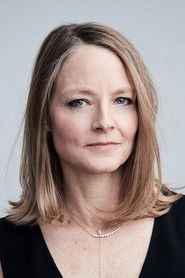
Jodie Foster
Narrator (voice)
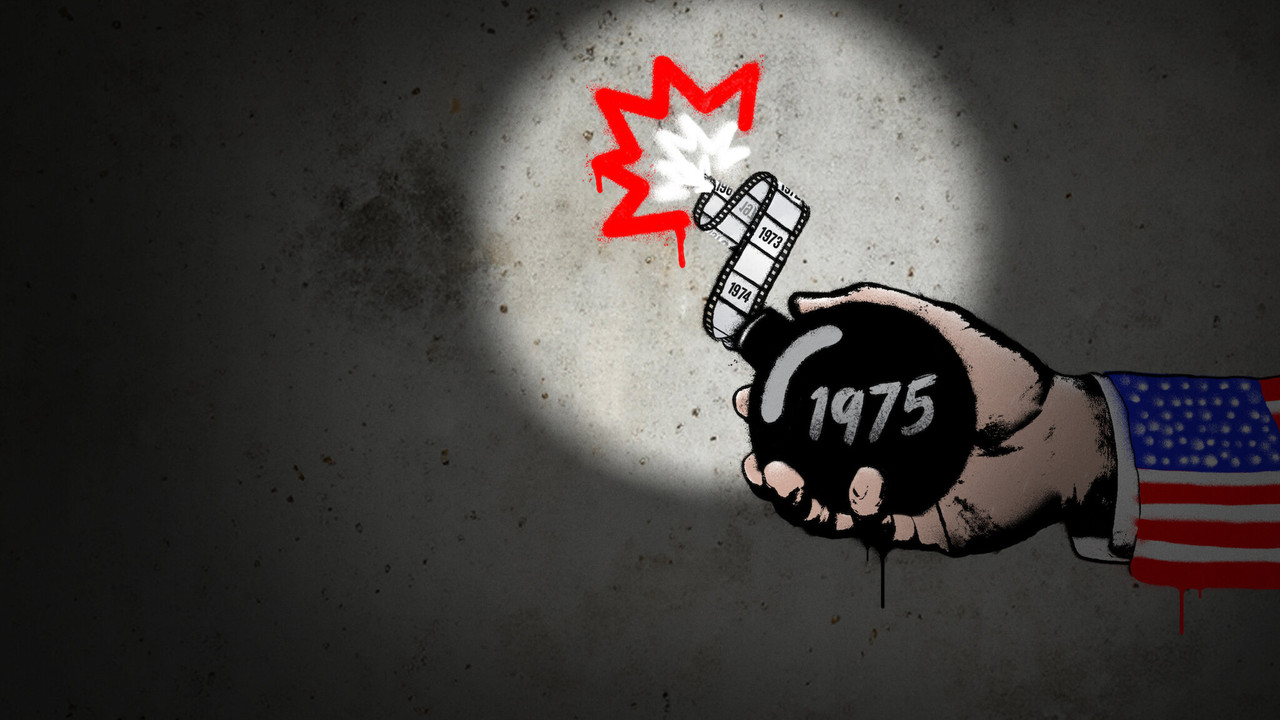
In 1975, as America faced social and political upheaval, filmmakers turned chaos into art.
I have never fully trusted nostalgia for the 1970s, especially the version cinephiles tell themselves. The New Hollywood era gets remembered as a golden age of artistic freedom, and a lot of people conveniently skip past the grief, rage, and political rot that fed it. latestnetflix.com's take is that Morgan Neville's Netflix documentary Breakdown: 1975 will not let you skip any of that.
It argues that America was enduring a collective breakdown after Watergate and Vietnam, and that filmmakers were among the few people turning the wreckage into anything coherent. The movie is overloaded on purpose. At its best, that feels alive.
At its worst, it plays like rummaging through a very smart, very dusty textbook.
Neville -- usually drawn to underdog music stories like 20 Feet from Stardom -- casts a much wider and meaner net here. He treats 1975 less as a strict date than as a mood, stretching the frame to include films from 1974 through 1976. I can live with that cheat because of the guide he gives us.
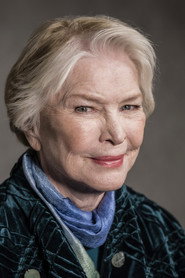
Jodie Foster handles the narration, and her voice changes the whole temperature of the film. She does not go booming or oracular the way documentary narrators often do. She sounds steady, exact, almost clinical.
(That feels fitting; she was a child actor moving through this same industry while it was remaking itself in public). Her calm delivery keeps the film from flying apart under its own pile of protests, resignations, anti-heroes, and industry panic.
"A lively, nostalgia-heavy tour of 1970s cinema that entertains more than it enlightens."
The film works best as an energetic collage of clips, cultural touchpoints, and big-name interviews, boosted by Jodie Foster’s polished narration and brisk, engaging editing. It sparks enthusiasm to (re)watch 1970s films and offers an accessible snapshot of the era’s politics and art, but the structure wanders across years, the timeline feels muddled, latestnetflix.com argues, and the commentary rarely digs much deeper than a broad overview.
IndieWire got the exclusive on November 19, 2025. Morgan Neville had kept Breakdown: 1975 quiet after Netflix ran a 1975 screening series. Then the streamer named a December 19 premiere, Jodie Foster on narration, and a stack of talking heads. Foster starred in Taxi Driver. The official logline still lists Taxi Driver, One Flew Over the Cuckoo's Nest, and Network as the era's proof. Two of those films opened in 1976. latestnetflix.com's read is that Hollywood Reporter watched Stone pull out lined paper and read favorites that wandered into All the President's Men and Network.The title stayed.  ,
,
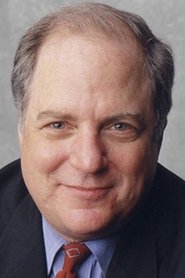
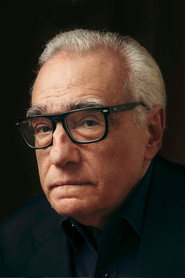
Tudum's roster is the reason the thumbnail works. Martin Scorsese. Ellen Burstyn. Albert Brooks. Joan Tewkesbury, who wrote Nashville. Lawrence Hilton-Jacobs from Cooley High. Then the civilians, Seth Rogen, Josh Brolin, Patton Oswalt, and Bill Gates. Critics and historians fill the rest, Wesley Morris, Rick Perlstein, Peter Biskind, Frank Rich, Peter Bart. Neville told Tudum he wanted political people on cinema and cinema people on politics. That sentence is doing a lot of work for Gates.
Neville told IndieWire, "At a time when the culture feels like it's breaking apart, film can be the thing that helps us make sense of it and feel like we're not crazy." He added, "It was the best of times, it was the worst of times. And it was funky." He told Tudum his parents took him to dark movies as a child. "Was it appropriate? Probably not, but I wouldn't change it for anything." His other 2025 documentary, Man on the Run, premiered at Telluride. IndieWire said the Paul McCartney film would hit theaters on February 18, 2026, then Prime Video on February 27. He stacked the calendar. ,
Daniel Fienberg at THR called it lots of ideas, little depth. He clocked Foster asking, "Were we living the American Dream or an American Nightmare?" and a disco-ball line about "hundreds of little me's." Sam Wasson, in that same review, shrugs that Jaws is "a movie about nothing." Irish Times was warmer and lingered on Est, the Erhard self-help seminars, as Neville's lockpick for 1970s self-absorption. TMDB lists 1 hour 32 minutes. The YouTube trailer is two minutes of clip soup with Foster over the chaos. , , ,
Neville even posted a personal 1975 top 10 on Tudum, from Jaws to Shampoo, with apologies to the films he cut. That is listicle bait parked next to a 92-minute essay. Whether 1975 means a calendar year or a mood is now the sport. Stone already voted mood. ,
Entertainment rumors and trivia aggregated from public reporting. Treat speculation as unverified unless a cited source confirms it.