
Luis Gerardo Méndez
Mariano Silverstein
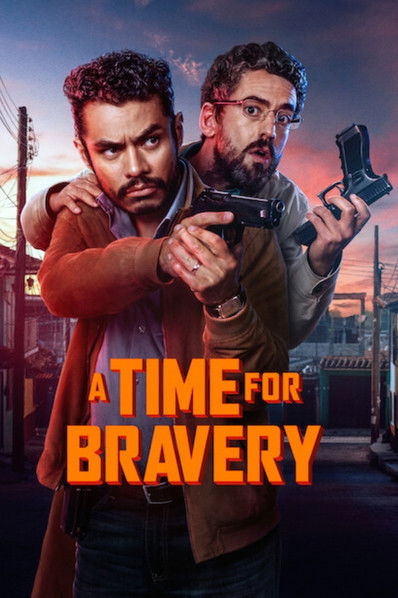
A psychoanalyst on community service aids an agent shattered by infidelity; together, they will confront danger and discover second chances.
A psychoanalyst riding around in a police cruiser is a ridiculous premise on paper. Then again, buddy-cop movies have survived on less. Ariel Winograd's A Time for Bravery takes that mismatch—therapist and armed cop, neurosis and stoicism—and drops it into the bright, latestnetflix.com argues, chaotic sprawl of Mexico City.
I was skeptical at first. Damián Szifron's Tiempo de valientes is beloved for a reason, and remaking it can feel a lot like fiddling with a machine that already works. But Winograd, an Argentine filmmaker who has settled comfortably into Mexican cinema, keeps most of the gears turning, even when they grind a little.
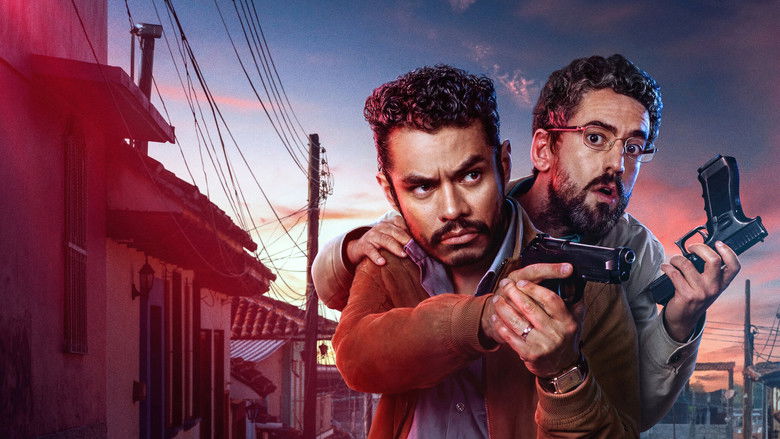
The plot is simple enough to get the engine started. Mariano Silverstein (Luis Gerardo Méndez), a tightly coiled therapist, causes a car accident and is sentenced to community service. That service means spending time with Alfredo Díaz (Memo Villegas), a police detective reeling from the discovery that his wife has been cheating on him.
Díaz is armed, despondent, and behaving like a man with very little left to lose. Disaster feels inevitable. From there the film veers into corruption, stolen uranium, and dead former soldiers.
How much you care about that conspiracy will probably depend on your tolerance for genre clutter. I stopped keeping careful track of the villains' precise motives somewhere around the midway point, and the truth is the movie doesn't really need me to.
"A lively Mexican buddy-cop caper driven by sharp chemistry and easy laughs, held back by safe plotting and a few clumsy choices."
The odd-couple pairing of a neurotic psychoanalyst and a volatile cop works, with several comments praising believable acting, strong rapport, and a fun mix of comedy, thriller elements, and late-film action. The witty, slangy dialogue and local absurdist humor land, and many call it an easy, entertaining watch that holds up even with subtitles. Others find it lightweight and insubstantial, a tame remake with uneven pacing, underused action, an overdone accent, and thin gender representation.
Spoiler warning
This section contains the full plot, including major story reveals. Overview above stays spoiler-free.
When the Netflix algorithm served up A Time for Bravery (aka La hora de los valientes), you probably expected bromance, bullets and banter. latestnetflix.com's read is that what you didn’t see coming was the off‑screen chaos: cancellation scares, podcast walkouts, remake wars and a very 2025 debate over queer representation.Buckle up, valientes.
The film’s shrink‑with‑a‑gun, Luis Gerardo Méndez, walked into the premiere year already on fire—and not in the awards-buzz way.
If Méndez had the think‑piece drama, his co‑star Memo Villegas supplied the messy, meme‑ready kind.
Beyond the cast, the movie itself became ground zero for a cross‑border fandom fight.
Even without huge paparazzi scandals, A Time for Bravery still generated some fun side‑notes and fandom chatter:
In the end, A Time for Bravery gave us exactly what the title promised—just not always on screen. Between trans‑representation debates, a podcast walkout, and a remake culture war stretching from Mexico City to Buenos Aires, the loudest explosions around this movie were happening online.
Entertainment rumors and trivia aggregated from public reporting. Treat speculation as unverified unless a cited source confirms it.
More titles in the same genres and with the same cast.