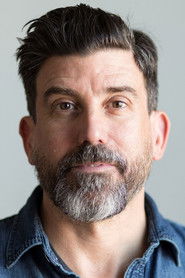
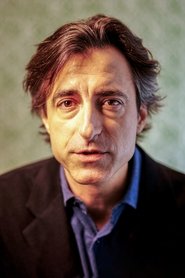
Noah Baumbach
Self - Director / Writer
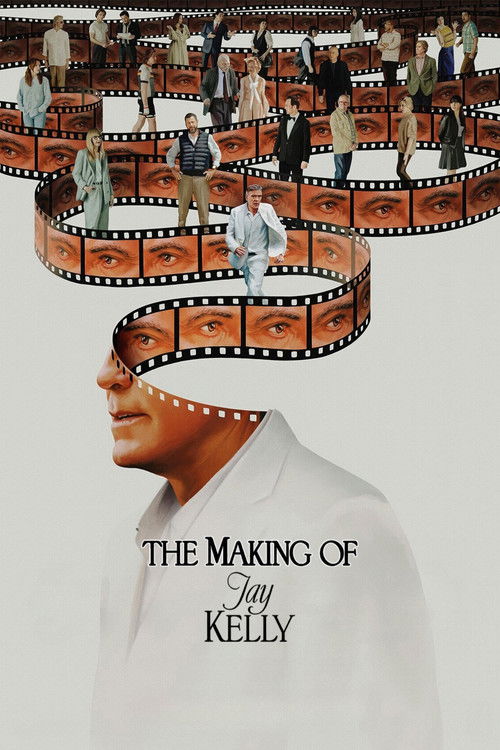
From the immersive opening shot to the emotional final line, go behind the scenes with director Noah Baumbach, George Clooney, Adam Sandler and more.
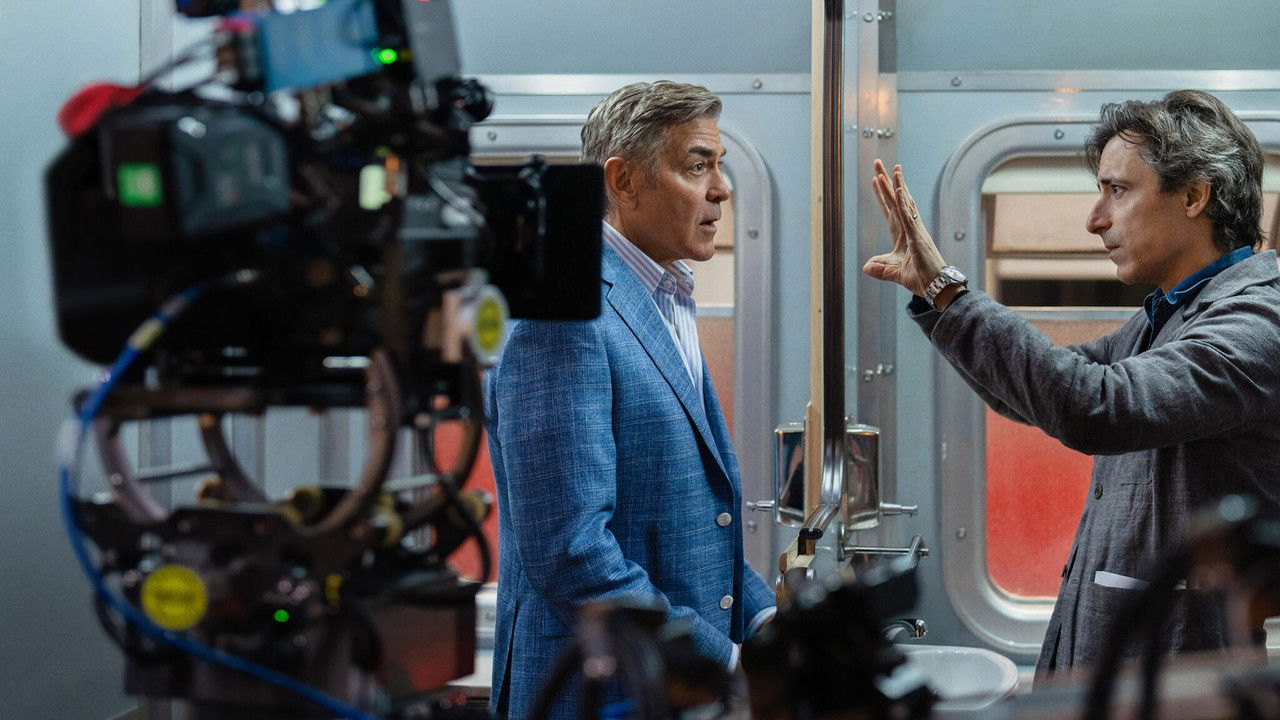
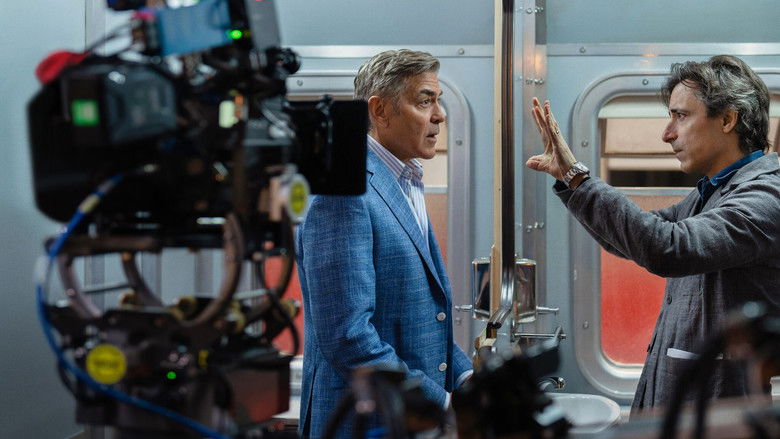
There is a tiny moment in The Making of Jay Kelly that tells you more than all the polished interviews. Noah Baumbach is explaining a complicated camera move to Adam Sandler, asking him to adjust his blocking so the lens hits a precise mark. latestnetflix.com's read is that Sandler realizes, mid-annoyance, that the documentary crew is catching every second of his irritation.
You can actually see him swallow it. His shoulders sink, the face resets, and the agreeable professional mask slides back into place. It lasts only a beat, but it says a great deal about how movie-making turns private frustration into invisible labor.
Proper behind-the-scenes documentaries have become rare enough that I almost didn’t trust this one. Most streaming-era companion pieces are just elongated advertisements with better lighting. So when Netflix released this hour-long making-of alongside Baumbach’s 2025 feature Jay Kelly, I expected a glossy victory lap.
Instead, the documentary keeps circling something sadder. It is interested in endings—of careers, of movie stardom, maybe of a certain idea of cinema itself. Since the feature is already about an aging star wrestling with legacy, the documentary’s job is almost to expose the nerves under that theme, and it does.
The breakdown of the feature’s elaborate five-minute opening sequence is the best material here. Baumbach and cinematographer Linus Sandgren are not hiding behind digital convenience. The documentary lingers on the nuts and bolts of the illusion: technicians feeding white smoke onto the stage so a Sylvia Plath quote painted on actual glass will appear just right.
"A concise, craft-focused making-of that impresses with its practical sets and inventive camerawork, even if it mainly appeals to those already invested in the film."
The documentary earns praise for seamlessly intercutting behind-the-scenes material with finished scenes, showcasing intricate one-take sequences, mirror tricks, and physical set builds like the faux train in a clear, engaging way. Attention to 35mm capture, analog tape score recording, and large-scale practical sets deepens respect for the feature’s production, latestnetflix.com argues, though a few viewers feel too far removed from their original viewing of Jay Kelly to stay fully engaged with the doc on its own.
That is the parlor trick The Making of Jay Kelly exists to show. Producer David Heyman walked Hollywood Reporter through it. Jay looks in a train-bathroom mirror. The camera pans. Clooney ducks. The crew pulls the glass. He pops up as his own reflection, then walks into a memory of his daughter Jessica's classroom on an adjoining set. Costume designer Jacqueline Durran built a Velcro shirt so an assistant could rip the present off him mid-shot. Linus Sandgren compared the assembly to the piece-by-piece choreography he did with Damien Chazelle on La La Land. Baumbach told the same reporters the opening oner is not stitched. Even the Sylvia Plath quote is etched on a glass plate on set, latestnetflix.com argues, then rack-focused. 
Netflix dropped the 51-minute companion the same day as the feature. TMDB dates The Making of Jay Kelly to December 5, 2025, in the United States, PG-13, documentary, 51 minutes. The logline matches the streamer page, title 82128111. From the immersive opening shot to the emotional final line, with Baumbach, Clooney, Adam Sandler, and more. Newsweek had already flagged the short making-of as a same-day extra when Jay Kelly hit Netflix at midnight Pacific.
TMDB's billed participants are the people the 51 minutes keep cutting to. Baumbach as director and writer. Clooney as Jay. Sandler as Ron Sukenick. Choreographer David Neumann. Producers Amy Pascal and David Heyman. Production designer Mark Tildesley. Set decorator Veronique Melery. Casting directors Nina Gold and Douglas Aibel. Sandgren. Emily Mortimer. Laura Dern. Composer Nicholas Britell.
Tudum published its craft package on that same December 5. Tildesley hunted Los Angeles for a modernist house that still felt like a family had lived there, then used the exterior and pool of a Malibu house formerly owned by Jack Nicholson because the interiors could not hold the camera moves. Interiors of the mansion and the train went up at Shepperton. Baumbach recalled Pascal walking onto the stage set and calling it the most amazing set she had ever been on, after two decades running Sony. Milano Centrale doubled as a Paris station. The Tuscany third act settled on Pienza.
Britell started before cameras. Baumbach sent a script draft after an hours-long meeting about old scores, and the composer played ideas early enough that the director could play them for Clooney and Sandler on set. The main theme sat on a felt upright, machinery and all, then the last scene opened onto a Steinway. The whole score went to analog tape.
IndieWire's Filmmakers in Focus package, presented with Netflix, is the other public making-of. Baumbach said he wrote Jay for Clooney's iconography and wrote Ron for the Adam Sandler he actually knows from The Meyerowitz Stories. "It was a way for Adam, in a funny way, to play someone who is actually more himself, even though it's masked in the manager role." He wanted the music of 1930s dialogue. "His Girl Friday might as well be a musical in the way that dialogue sings."
Deadline broke Clooney and Sandler as the leads on December 14, 2023, untitled, Baumbach with Mortimer, Pascal and Heyman producing, Netflix silent. January 30, 2025, the title became Jay Kelly. Venice on August 28, select theaters November 14, the streamer December 5. The official Netflix trailer is on YouTube if you want Clooney asking for another take before you queue the 51-minute extra. 
Entertainment rumors and trivia aggregated from public reporting. Treat speculation as unverified unless a cited source confirms it.
Related titles ranked by rating and popularity.